Choosing an orthopedic implant factory is a decision about more than price or catalog range. It affects how consistently an implant is designed, produced, inspected, and documented. A titanium component may look flawless under bright factory lights, yet its reliability depends on details such as material traceability, machining controls, and inspection records. Small details matter.
Orthopedic surgeon and implant researcher Dr. Joshua J. Jacobs has written extensively on implant materials and clinical performance. A careful paraphrase of that concern is: “Reliable implants depend on sound materials, thoughtful design, and evidence that performance holds up in practice.” This is a summary, not a verified verbatim quotation. It points to a practical question for buyers: can the factory show how each requirement is controlled, rather than simply promise quality?
A trusted supplier should be able to explain its manufacturing steps in clear terms, provide relevant quality documentation, and discuss how it investigates deviations. Ask to see how incoming materials are checked and how finished devices are inspected. Look for answers grounded in records, not confident slogans. Even strong systems can have gaps; no factory is beyond scrutiny. That is worth remembering. The right partner welcomes precise questions, explains limits honestly, and supports ongoing review. Those habits help hospitals, distributors, and device teams assess whether a factory can meet their needs with consistency and care.
Why Choose a Trusted Orthopedic Implant Factory?
What an Orthopedic Implant Factory Does
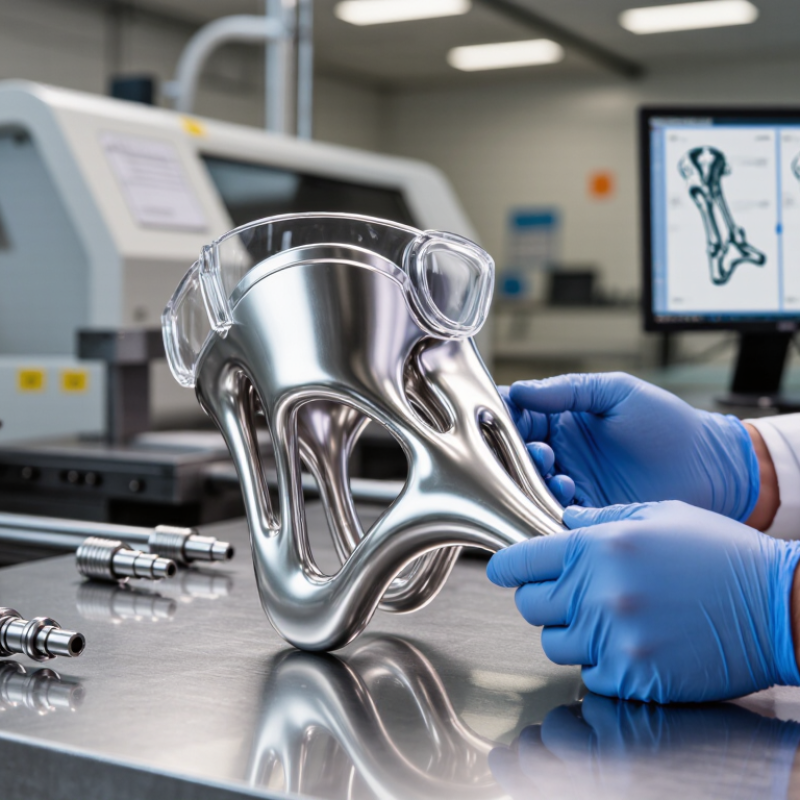
An orthopedic implant factory transforms approved designs and material specifications into components used in surgical care. Its work may include machining titanium or medical-grade alloys, shaping polymer parts, polishing surfaces, and assembling components. Each step must follow documented procedures. Small details matter. A rough edge or dimensional variation can affect how a part fits and performs.
Production involves more than machines. Staff check incoming materials, monitor equipment, and inspect parts against drawings using calibrated measuring tools. For example, a technician may verify a hole diameter with a gauge and record the result against the production lot. These records help connect finished components to their materials and manufacturing history. Cleaning, packaging, and sterilization may be managed on-site or by qualified external providers, depending on the product and process.
A reliable factory also evaluates changes, investigates defects, and keeps inspection records available for review. Quality systems and product requirements vary, so buyers should confirm what applies to a particular implant and its intended use. No process is flawless. Even a well-controlled line needs maintenance, staff training, and honest review when results fall outside limits. Records matter. The factory supports consistent production, but clinicians determine whether an implant suits an individual patient.
Material selection begins with the implant’s purpose and the forces it must handle. A joint component may face repeated loading, while a small fixation device needs reliable strength and fit. Engineers compare properties such as fatigue resistance, corrosion behavior, and compatibility with surrounding tissue. They also consider sterilization methods and how the material appears during imaging. No material is perfect. The right choice depends on the device, patient needs, and evidence from testing.
Tips: Ask how materials are evaluated for the implant’s intended use. Look for documented testing, consistent production controls, and clear traceability. Small details matter, such as a smooth edge that reduces tissue irritation or a surface designed to support bone attachment.
Design selection involves more than matching a standard size. Teams study anatomy, movement, and surgical handling, then refine dimensions and surfaces through testing and clinical feedback. A design that performs well in a lab may behave differently across varied bodies and activity levels. That limitation deserves attention. Trusted manufacturers review test results, investigate production variations, and update designs when evidence supports a change. Experience helps, but careful records and ongoing scrutiny matter just as much.
How Manufacturing and Quality Controls Work
A reliable implant factory makes quality visible at every production stage. Raw material arrives with certificates and a clearly recorded lot number. Staff verify its identity before machining begins. CNC equipment shapes each component, while calibrated instruments check critical dimensions. Small differences matter. A hole that sits slightly off position can affect how parts fit together.
Controls continue after machining. Operators inspect surfaces for burrs, scratches, and other defects under suitable lighting. Cleaning processes remove machining residue, and packaging protects components from damage before sterilization, when applicable. Each step should have written procedures and records that can be reviewed later. Traceability helps connect a finished implant to its materials, equipment, and inspection results. Paperwork alone is not proof; it should match what happened on the production floor.
Good factories also investigate failures instead of quietly moving past them. A rejected part may prompt a review of tool wear, operator training, or measurement methods. No process is flawless. What matters is whether problems are documented, corrected, and checked for recurrence. I would also ask how the factory validates changes to materials or equipment. That answer can reveal whether quality control is a daily practice or merely a polished claim.
A trusted orthopedic implant factory makes quality visible, not merely promised. Testing should match the device, its materials, and its intended use. Teams may review dimensions, surface condition, mechanical performance, and packaging integrity. Validated processes and documented acceptance criteria help keep results consistent. Small details matter. A measurement is useful only when the instrument is calibrated and the method is repeatable. Records should show what was checked, by whom, when, and against which criteria.
Traceability links a finished implant to material lots, production steps, inspections, and release records. If a question arises, that trail can help narrow the review instead of relying on memory. It should be possible to identify affected units without treating every product as identical. This sounds straightforward, but data entry and handoffs can still fail. Clear responsibilities, controlled records, and routine checks help reveal gaps. No record system is infallible.
Regulatory compliance means more than displaying certificates. Manufacturers should maintain a quality management system, manage changes, investigate nonconformities, and retain evidence required for their target markets. Requirements differ by product and jurisdiction, so claims should be checked against current rules and device classification. Independent audits add scrutiny, though passing an audit does not prove every process is flawless. That distinction deserves attention. A careful factory can explain its controls with records, not vague assurances.
Why Choose a Trusted Orthopedic Implant Factory?
How to Evaluate an Orthopedic Implant Factory’s Reliability
Reliability shows up in records and routines, not polished brochures. Check whether the factory’s ISO 13485 certificate covers the site and processes used for your device. Ask to review process validation for machining, cleaning, packaging, and sterilization, including outsourced steps. Follow one implant lot from incoming material certificates to final inspection and shipment. Can staff retrieve those records quickly? Ask to see how measuring equipment is calibrated and how nonconforming parts are isolated. A neat audit room is reassuring, but it proves little by itself.
The AAOS 2023 American Joint Replacement Registry Annual Report covered more than 3.2 million hip and knee procedures, drawing data from over 1,250 institutions. That scale highlights why dependable identification and traceability matter after products reach clinical use. Ask how the factory records lot or serial numbers and supports investigations when a concern arises. Request recent examples of corrective actions, then check whether their effectiveness was verified. Also compare defect trends over time, not just a single favorable month. Small gaps happen. The response matters. Ask who owns supplier monitoring, how often risks are reviewed, and what changes trigger revalidation. A confident answer should come with dated, retrievable evidence.
How to Evaluate an Orthopedic Implant Factory’s Reliability
Use these factors to structure supplier due diligence: verify quality-system certification, applicable regulatory documentation, process validation, lot-level traceability, and corrective-action procedures. The percentages are illustrative review weights, not measured factory performance or a universal standard.
Engineers consider the implant’s purpose, expected forces, fatigue resistance, corrosion behavior, and tissue compatibility. No material is perfect.
Material choices need to suit the planned sterilization method and remain suitable for imaging. These details can affect how an implant is evaluated.
Teams assess anatomy, movement, surgical handling, dimensions, and surface features. A smooth edge may reduce tissue irritation, while some surfaces support bone attachment.
They use testing and clinical feedback to refine designs. Lab performance may not predict how a device behaves across different bodies and activity levels.
Testing should match the device, its materials, and intended use. Checks may include dimensions, surface condition, mechanical performance, and packaging integrity.
They make measurements more dependable. Records should identify what was checked, who checked it, when it happened, and which criteria were used.
Traceability connects finished implants with material lots, production steps, inspections, and release records. This can help identify affected units. Records can fail.
No. Audits add scrutiny, but they do not guarantee perfection. Manufacturers should also document change management, investigations, and controls for their target markets.
Choosing a trusted orthopedic implant factory is essential to producing implants that are dependable, consistent, and suited to clinical needs. A capable factory turns design requirements into finished products, carefully selecting materials and shapes based on factors such as strength, durability, compatibility, and intended use. Its manufacturing process should combine skilled oversight with controlled production methods to help ensure that each implant meets defined specifications.
Reliability also depends on thorough quality controls, appropriate testing, and clear traceability throughout production. Documented checks can help identify issues early and confirm that materials and finished products meet applicable requirements. When evaluating an orthopedic implant factory, consider its manufacturing capabilities, quality systems, testing practices, records, and regulatory compliance. A transparent, consistent approach helps build confidence that products are made with care and can be reliably assessed from material selection through final inspection.