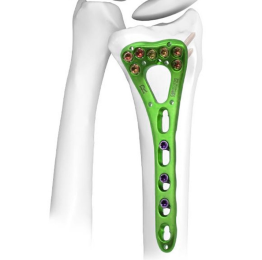
Thoracic Posterior Pedicle Screw System
Low-profile polyaxial and monoaxial pedicle screws designed specifically for T1–T12 anatomy. Features self-tapping flutes and high angular deflection tulip heads.
Engineered specifically for thoracic spine trauma, complex deformity correction (scoliosis/kyphosis), and chest wall reconstruction. Discover how Orthomanufacturer Medical Co., Ltd resolves critical clinical challenges while empowering global medical device distributors with direct OEM manufacturing advantages.

A deep dive into why thoracic spinal fixation requires vastly different engineering paradigms than lumbar or cervical instrumentation, written for spine surgeons, hospital procurement directors, and OEM buyers.
The thoracic spine (T1–T12) presents one of the most demanding anatomical environments in orthopedic surgery. Unlike the lumbar region, where pedicles are large, forgiving, and angled medially, thoracic pedicles are remarkably narrow, exhibit high anatomical variability, and sit in close proximity to critical neurovascular structures including the thoracic aorta, parietal pleura, and spinal cord. Furthermore, the rib cage imposes rigid constraints on rotational and sagittal movements, creating unique torsional stress patterns on pedicle screws and connecting rods during trauma stabilization or deformity correction (such as adolescent idiopathic scoliosis and Scheuermann's kyphosis).
For medical device distributors and hospital procurement officers, selecting a commercial Thoracic Fixation System goes far beyond evaluating basic unit costs. It requires a thorough assessment of micro-engineering tolerances, pedicle screw thread geometry, pullout strength parameters, instrument ergonomics, and material fatigue life under cyclic load testing (ASTM F1717 standard protocols).
Thoracic pedicle transverse diameters can be as small as 4.0 mm in T4–T6 segments. Our system provides specialized low-profile pedicle screws ranging from 4.0 mm to 6.5 mm diameters with dual-thread design, accelerating insertion speed while maximizing cortical bone engagement.
To eliminate post-operative soft-tissue irritation in thin thoracic musculature, screw heads feature an ultra-compact outer geometry with friction-fit tulip positioning, allowing effortless intraoperative rod placement without premature flopping.
Driver recess stripping is a major intraoperative failure point. Orthomanufacturer Medical Co., Ltd cuts both screw head recesses and mating screwdriver tips under strict tolerance windows (<0.01 mm), virtually removing driver cam-out during high-torque locking set screw insertion.
How evolving surgical techniques, regulatory pressures, and supply chain shifts are reshaping global buying behaviors for spine implants.
Global surgeon preference is rapidly migrating from open posterior approaches to Minimally Invasive Surgery (MIS) and percutaneous thoracic pedicle screw placement. This shift demands cannulated thoracic screws compatible with K-wires, extended-skirt tulip heads, and radio-opaque instrument markers designed for real-time O-arm and intraoperative CT navigation. Procurement teams are prioritize suppliers who offer integrated MIS instrument sets alongside open surgical trays.
Recent clinical evidence demonstrates that combining posterior thoracic pedicle screw fixation with anatomical rib locking plates improves biomechanical rigidity in complex chest wall deformities, severe flail chest trauma, and tumor resections. Modern hospital tenders increasingly specify vendors capable of providing both spine systems and CMF/rib locking plates under a unified manufacturing quality standard.
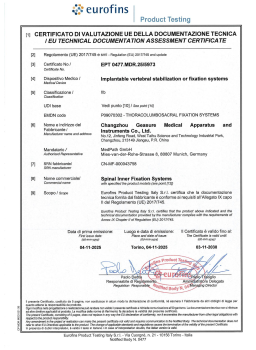
Regulatory authorities worldwide—including Europe's MDR, the US FDA, and health authorities across South America and the Middle East—are clamping down on implant traceability. Procurement managers can no longer accept non-traceable bar stock. Every single thoracic implant must possess a unique Device Identifier (UDI) laser-marked directly on the implant, backed by full raw material mill certificates (ASTM F136 for Ti-6Al-4V ELI) traceable to the specific melting heat lot.
Distributors face intense price competition from multinational brands. To capture market share and secure tenders, regional distributors are partnering directly with high-precision OEMs like Orthomanufacturer Medical Co., Ltd. By leveraging private-label laser marking, custom sterile packaging, and local regulatory dossier support, distributors can offer premium-tier thoracic fixation solutions at competitive margins.
Explore our precision-machined thoracic implants and paired surgical instrument sets designed for trauma, deformity, and reconstructive procedures.
Low-profile polyaxial and monoaxial pedicle screws designed specifically for T1–T12 anatomy. Features self-tapping flutes and high angular deflection tulip heads.
Designed for severe thoracic scoliosis and kyphosis reduction. Includes laminar hooks, pedicle hooks, transverse process hooks, and high-stiffness CoCrMo connecting rods.
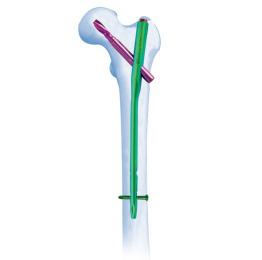
Pre-contoured titanium locking plates and micro-screws for rib fracture fixation, sternal reconstruction, and thoracic cage stabilization following trauma.
Transparency in metallurgy and mechanical validation is essential for fast-track regulatory approval and clinical success.
| Component | Standard Material Specification | Mechanical / Dimensional Features | Clinical Advantage |
|---|---|---|---|
| Thoracic Pedicle Screws | ASTM F136 (Ti-6Al-4V ELI) | Ø4.0mm – Ø6.5mm; Dual-thread lead; 50° tulip articulation angle | High pull-out resistance in narrow pedicles; reduced muscular interference |
| Rigid Fixation Rods | ASTM F1537 (CoCrMo) / ASTM F136 Titanium | Ø5.5mm & Ø6.0mm; Hex-ended; Pre-cut lengths 50mm–500mm | Extreme flexural rigidity required for 3D scoliosis deformity correction |
| Laminar & Pedicle Hooks | ASTM F136 Titanium Alloy | Anatomically shaped shoe profiles; Left/Right offset options | Alternative fixation in compromised pedicles or narrow spinal canals |
| Transverse Cross-Links | ASTM F136 Titanium Alloy | Telescopic adjustable span (30mm–65mm); Dual locking clamps | Enhances torsional stability across long thoracic constructs |
| Rib Locking Plates | ASTM F67 (Commercially Pure Titanium Grade 2/3) | Thickness 1.5mm–2.0mm; Pre-contoured anatomical shapes | Superior intraoperative malleability with secure locking screw engagement |
* All manufacturing processes undergo ISO 13485 quality control. Certified inspection reports, cleanroom bioburden reports, and mill certificates are supplied with every commercial batch.
We bridge the gap between high-precision biomedical engineering and cost-effective volume production for global healthcare distributors.
Machined on high-end Swiss-type lathes ensuring sub-micron thread precision, zero burr formation, and uniform surface roughness across all screw threads.
Every single implant is laser marked with part numbers, lot numbers, and UDI codes, linking directly back to the original titanium bar stock mill heat.
We supply complete surgical ecosystems—implants, ergonomic instruments, and customized aluminum sterilization containers—ready for immediate hospital deployment.
Type II anodizing and electrochemical passivation guarantee an ultra-pure titanium oxide layer, preventing ion leaching and enhancing biocompatibility.
Distributors receive structured Technical Files (STED format), material test certificates, biocompatibility data, and IFUs to streamline local registration.
From customized laser engraving to bespoke surgical instrument tray layouts, we tailor our manufacturing workflow to your brand identity.
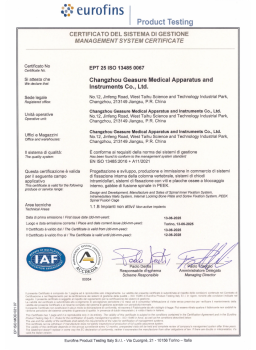
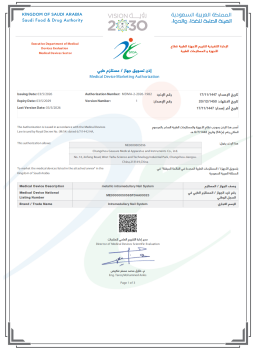
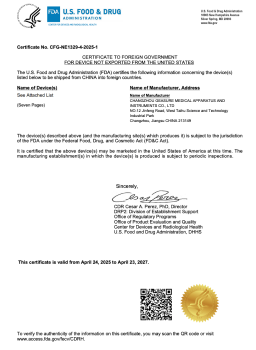
From initial engineering review to global export shipment, experience a transparent, milestone-driven partnership.

Definition of SKU parameters, target market specs, and registration requirements.

Verification of CAD models, thread mating, and ergonomics with 3D sampling.

Physical sample validation for fit, finish, torque, and instrument compatibility.

Multi-axis automated machining under strict ISO 13485 cleanroom protocols.

Laser marking, UDI packaging, export customs documentation, and delivery.
Clear, authoritative answers addressing technical, regulatory, and commercial inquiries frequently submitted by medical device procurement specialists.
Whether you are expanding your orthopedic spine portfolio, preparing for a national hospital tender, or launching an OEM private brand, Orthomanufacturer Medical Co., Ltd delivers precision engineering, robust quality assurance, and direct factory pricing.
Submit your inquiry to receive detailed product specifications, catalogs, and OEM quotes.