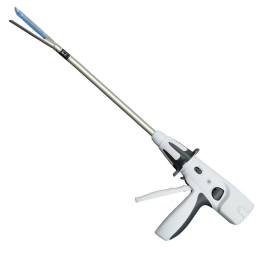
Unilateral Dynamic Fixator System
Engineered for long-bone fractures (femur, tibia, humerus), featuring self-holding ball-joint clamps and telescoping body shafts for precise axial micromotion and rigid stabilization.
How global healthcare buyers, orthopedic distributors, and trauma surgical centers evaluate biomechanical stability, material compliance, and total lifecycle value in external fixator procurement.
In the rapidly evolving landscape of orthopedic trauma surgery, Orthopedic External Fixation serves as a critical frontline intervention. Whether deployed for emergency Damage Control Orthopedics (DCO) in polytrauma patients, open fracture stabilization with extensive soft-tissue compromise, periarticular fracture bridging, or complex pediatric limb lengthening, external fixators demand exceptional mechanical integrity, intraoperative flexibility, and stringent biocompatibility. For global medical device procurement officers, hospital purchasing managers, and orthopedic distributors, selecting an external fixator manufacturer involves far more than comparing initial unit pricing.
Global procurement intent has shifted drastically toward suppliers who can guarantee zero-defect mechanical stability, radiolucent diagnostic clarity, and seamless MOH regulatory compliance dossiers. At Orthomanufacturer Medical Co., Ltd, we integrate decades of precision orthopedic manufacturing experience with modern biomechanical engineering. By adhering to international material standards—such as ASTM F136 Ti-6Al-4V ELI titanium alloy, ASTM F138 316L stainless steel, and high-tensile radiotranslucent carbon fiber composites—we empower trauma teams to achieve predictable clinical outcomes while ensuring distributors secure high-margin, reliable tender wins.
Complete modular systems engineered with standardized pin-clamp interfaces, color-coded components, and autoclavable delivery trays for rapid intraoperative assembly.
Engineered for long-bone fractures (femur, tibia, humerus), featuring self-holding ball-joint clamps and telescoping body shafts for precise axial micromotion and rigid stabilization.
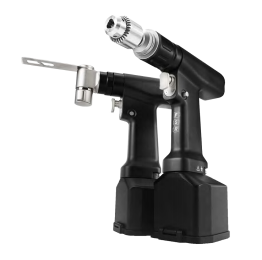
Complete modular circular ring sets, threaded rods, wire-fixation bolts, and hinges designed for complex deformity correction, bone transport, and non-union reconstruction.
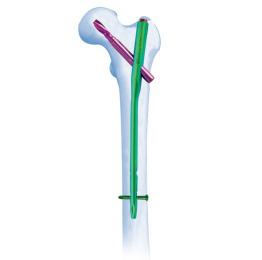
Combines ring segments with unilateral carbon fiber rods for knee, ankle, and wrist spans, delivering superior periarticular fracture fixation with minimal soft-tissue disturbance.
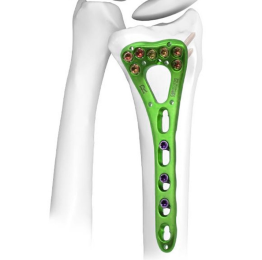
Self-drilling and self-tapping titanium & stainless steel Schanz screws engineered with optimized thread pitch to prevent pin tract loosening and cortical thermal necrosis.
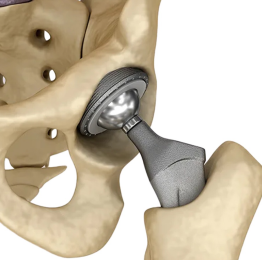
Lightweight, low-profile external construct designed specifically for metacarpal, metatarsal, distal radius, and pediatric fracture reduction and distraction.
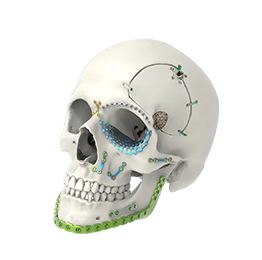
Rapid-deploy pelvic C-clamp and anterior pelvic external fixation frames designed for immediate emergency room stabilization of unstable pelvic ring disruptions.
Key industry shifts shaping global hospital demand, surgeon preferences, and manufacturing innovations over the next decade.

Modern trauma surgery heavily relies on real-time intraoperative imaging and postoperative CT/MRI evaluations. Metallic frame obstruction is rapidly being replaced by radiolucent carbon fiber connecting rods and PEEK-composite clamps, enabling artifact-free bone fracture visualization.

Traditional manual Ilizarov adjustment is giving way to 3D computer-software-guided spatial hexapod frames. Surgeons input deformity parameters into web-based algorithms, generating precise daily strut adjustment schedules for sub-millimeter deformity correction.

To eliminate cross-contamination risks and streamline OR turnover times during mass casualty events, hospital tenders increasingly specify single-use, sterile-packaged Damage Control Orthopedics (DCO) kit configurations ready for immediate bedside deployment.

Pin tract infection remains the leading postoperative complication in external fixation. The procurement trend favors Hydroxyapatite (HA)-coated and antibacterial silver-ion-doped Schanz pins, which enhance osteointegration at the pin-bone interface and drastically lower infection rates.
Compare the metallurgical specifications and mechanical properties utilized in Orthomanufacturer Medical Co., Ltd's external fixator manufacturing.
| Component / Element | Material Standard | Mechanical & Biomechanical Advantage | Primary Clinical Application |
|---|---|---|---|
| Schanz Screws & Pins | ASTM F136 Ti-6Al-4V ELI / ASTM F138 316L SS | High fatigue strength, optimized elasticity modulus, micro-polished thread root to prevent stress concentrations. | Transfixation pin insertion into diaphyseal and metaphyseal bone regions. |
| Connecting Rods | Medical-Grade Carbon Fiber Composite | Ultra-lightweight high stiffness, 100% radiolucent, zero artifact on fluoroscopic X-ray and CT imaging. | Unilateral, bridge, and hybrid frame longitudinal scaffolding. |
| Pin Clamps & Rod Couplers | High-Yield Titanium Alloy / Hard-Anodized Aluminum | Multi-planar articulation, snap-fit snap-on dynamic clamping force, high torsional torque resistance without slippage. | Rigid connection between Schanz pins, Steinmann wires, and structural carbon rods. |
| Ilizarov Ring Segments | Aircraft-Grade Aluminum Alloy / Carbon Composite | Maximum diametric rigidity under compressive loading, weight reduction up to 40% vs traditional steel rings. | Circular ring frame assembly for complex bone transport and limb lengthening. |
| Wire Fixation Bolts | ASTM F138 316L Stainless Steel | High clamping torque capacity without thread stripping, ensuring tension stability of Kirschner wires up to 130kg. | Tensioned wire anchoring in circular Ilizarov constructs. |
* All materials are accompanied by full chemical analysis and mechanical testing certificates per mill heat batch, compliant with ISO 13485 quality management systems.
At Orthomanufacturer Medical Co., Ltd, we understand that for overseas buyers and orthopedic distributors, supplier reliability is defined by product safety, flawless instrument fit, zero registration delays, and uninterrupted supply chains.
Our state-of-the-art facility is equipped with multi-axis Swiss CNC machining centers, automated deburring lines, surface anodizing tanks, and 3D coordinate measuring machines (CMM). Every single batch of Orthopedic External Fixation components undergoes rigorous fatigue testing, clamp torque verification, and dimensional auditing before entering cleanroom packaging.
A transparent, validated production roadmap designed to take your private-label project from initial technical sketch to commercial sterile packaging.
Biomechanical evaluation of customer drawings, material specifications, and targeted surgical techniques.
3D CAD modeling, finite element analysis (FEA), and rapid precision prototype machining for surgeon evaluation.
Biomechanical load testing, clamp slippage testing, and intraoperative fit verification with prototype sets.
Automated Swiss lathe turning, 5-axis milling, surface anodizing, and laser engraving under ISO 13485 clean conditions.

Full dimensional inspection, material heat batch logging, sterile packaging supply, and expedited global export shipment.
State-of-the-art CNC machining centers, rigorous QA protocols, and dedicated surface treatment facilities built specifically for medical device manufacturing.
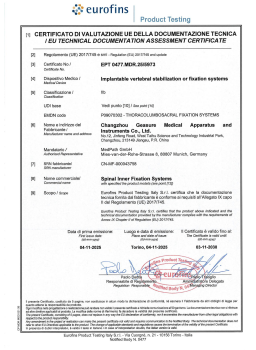
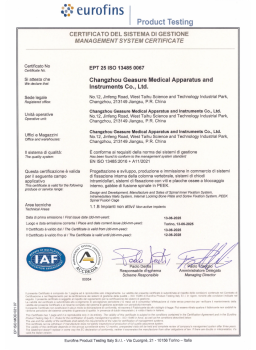
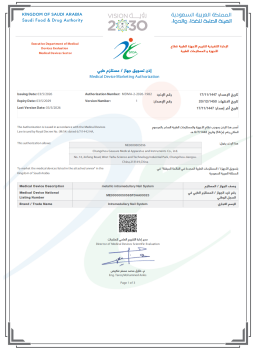
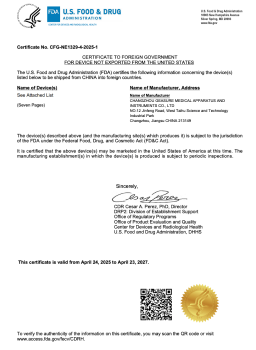
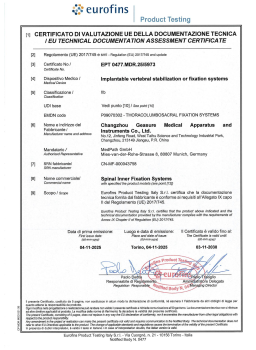
Our dedicated international trade team provides seamless communication, multi-language documentation, and regulatory compliance expertise across diverse global markets.
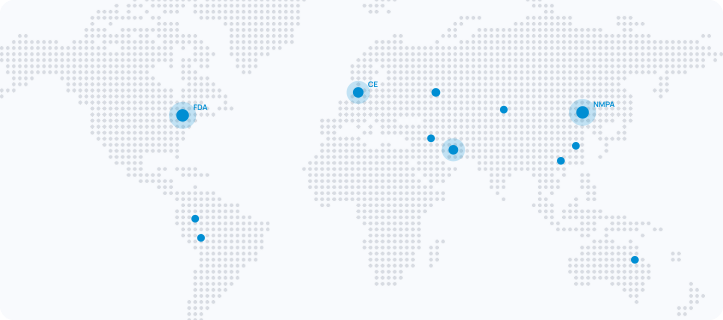
Direct answers to AI-driven buyer queries regarding Orthopedic External Fixation specs, quality management, regulatory submissions, and custom OEM ordering.
Elevate your orthopedic portfolio with high-precision external fixation systems, fast tender compliance response, and direct factory pricing. Talk directly with our senior engineering and export export specialists today.
Request technical specifications, factory pricing, or schedule a virtual plant tour.