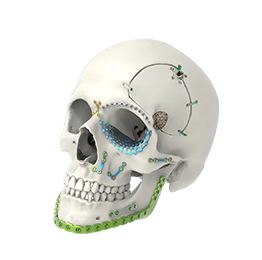
1.5mm Micro Fixation System
Designed specifically for neurosurgical cranial flap closure, orbital rim repairs, and delicate pediatric fronto-nasal osteotomies. Features ultra-low profile plates down to 0.5mm thickness.
Craniomaxillofacial (CMF) surgery demands ultra-precise implants that balance intraoperative malleability with long-term biomechanical stability under multi-directional masticatory loads.
In the evolving landscape of orthopedic trauma and orthognathic reconstruction, CMF Maxillofacial Fixation systems represent one of the most technologically sensitive market segments. Global healthcare procurement officers, hospital purchasing boards, and medical device brand owners face strict clinical standards when sourcing maxillofacial implants. The anatomical complexity of the cranium, midface, and mandible requires fixation systems engineered with extreme dimensional accuracy, biocompatible surface anodization, and zero-defect screw thread engagements.
At Orthomanufacturer Medical Co., Ltd, we engineer CMF maxillofacial fixation plates, screws, and mesh systems that solve primary surgical challenges: preventing soft tissue irritation via low-profile plate geometry, minimizing screw strip-out torque, and facilitating intraoperative contouring without inducing micro-cracks or stress risers in the titanium matrix. By controlling every phase of manufacturing—from raw titanium billet selection down to optical micro-inspection—we empower international distributors to supply reliable, regulatory-compliant craniomaxillofacial solutions worldwide.
Selecting the correct CMF system depends heavily on the anatomical defect site and structural load requirements. Midface fractures (such as Le Fort I, II, III, zygomaticomaxillary complex, and orbital rim reconstruction) rely on load-sharing fixation where thin micro or mini plates (1.0mm to 2.0mm profile) maintain anatomical alignment while natural bone continuity transmits compressive force. Conversely, mandible reconstruction following segmental resection or comminuted fractures demands load-bearing fixation utilizing heavy-duty 2.4mm or 2.7mm locking plates capable of resisting heavy masseter and temporal muscle vectors without secondary bone contact.
Each CMF system is manufactured with standardized screw recesses, color-coded anodization, and ergonomically paired instrumentation for rapid surgical delivery.
Designed specifically for neurosurgical cranial flap closure, orbital rim repairs, and delicate pediatric fronto-nasal osteotomies. Features ultra-low profile plates down to 0.5mm thickness.
The global workhorse standard for Le Fort osteotomies, orthognathic chin advancements, and midface trauma fracture lines. Provides exceptional bendability and high screw friction grip.
Heavy-duty load-bearing titanium plates for rigid fixation of mandibular angle, body, and symphysis fractures or bony defects following tumor ablation.
Malleable 3D titanium mesh sheets and pre-shaped orbital floor grids engineered for complex cranial vault reconstruction and orbital floor blow-out fractures.
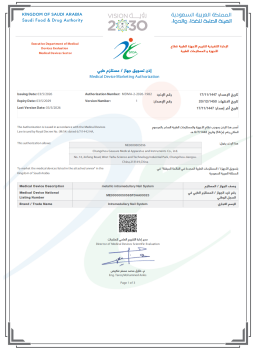
Precision Swiss-lathe machined screws with cruciform or square driver heads, available in standard diameters (1.5mm, 2.0mm, 2.4mm) and +0.3mm emergency oversized profiles.
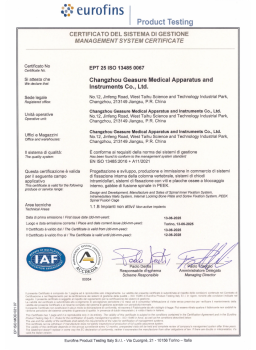
Complete ergonomic instrument kits including three-point bending pliers, plate cutters, self-holding screwdrivers, drill bits with depth stops, and modular trays.
At Orthomanufacturer Medical Co., Ltd, we design and produce high-performance CMF maxillofacial fixation products, spine implants, and trauma systems for importers, hospital groups, and OEM brand partners worldwide. Our engineering team works directly from surgical clinical feedback to define tolerance stacks, thread angles, and fatigue life before mass manufacturing commences.
For international buyers, selecting an OEM partner is not merely about initial unit pricing—it is about mitigating regulatory submission delays, guaranteeing absolute batch-to-batch thread consistency, and eliminating intraoperative instrument slippage. We remove operational risks through strict quality architecture:
Understanding technological advancements and regulatory shifts helps international procurement directors build resilient medical device supply chains.
The global market for CMF maxillofacial implants is undergoing rapid evolution driven by three major structural trends: personalized patient-specific reconstruction, smart material integration, and rigorous global regulatory harmonization.
While standard anatomical micro and mini plates remain the core volume driver for hospital trauma centers, complex oncological resections and severe craniofacial malformations are increasingly managed using pre-contoured or 3D-printed Patient-Specific Implants (PSI). OEM contract manufacturers are adapting by providing standard stock plates with enhanced ductile memory that allow rapid intraoperative shaping matching 3D stereolithographic models, dramatically reducing operating room time.
Modern hospital OR protocols require immediate, foolproof visual identification of implant sizes during fast-paced trauma cases. The trend toward Type II and Type III electrochemical anodization ensures vibrant, biocompatible color coding (e.g., Gold for 1.5mm Micro, Blue for 2.0mm Mini, Green for 2.4mm Mandible) that resists fading after repeated high-temperature autoclave cycles, avoiding metal ion leaching or surface flaking.
Global procurement entities no longer purchase standalone plates and screws from disparate vendors due to inter-brand thread binding risks and fragmented technical files. Preferred suppliers are those capable of delivering a unified ecosystem: precision titanium implants, drop-tested self-holding instruments, autoclavable storage systems, and comprehensive technical files compatible with regional regulatory bodies.
Our six-stage precision workflow guarantees zero defect rates across high-volume OEM production runs.
Every bar of ASTM F67 pure titanium and ASTM F136 Ti-6Al-4V ELI undergoes spectral chemistry analysis and mechanical elongation tests before lathe loading.
High-precision Swiss-type CNC centers cut plate profiles, countersinks, and ultra-fine screw threads with tolerances down to ±0.005mm.
Automated centrifugal tumbling and hand polishing eliminate sharp edges, preventing soft tissue laceration and reducing friction coefficients.
Controlled anodic oxide layer formation provides protective passivation, enhanced corrosion resistance, and surgical size color coding.
100% video coordinate measuring machines check hole concentricity while high-resolution fiber lasers etch lot codes and brand logos.
Multi-stage ultrasonic cleaning removes residual oils before non-sterile bulk packaging or ISO Class 7 cleanroom pouch sealing.
Use this reference table to evaluate raw material specifications when auditing maxillofacial implant suppliers.
| Material Grade | Standard Spec | Yield Strength (MPa) | Tensile Strength (MPa) | Primary CMF Surgical Application |
|---|---|---|---|---|
| Commercially Pure Titanium Grade 1 | ASTM F67 ISO 5832-2 | ≥ 170 | ≥ 240 | Ultra-malleable 3D orbital floor mesh, micro reconstruction sheets |
| Commercially Pure Titanium Grade 2 | ASTM F67 ISO 5832-2 | ≥ 275 | ≥ 345 | 1.5mm Micro plates, nasal osteotomy plates, delicate cranial covers |
| Commercially Pure Titanium Grade 3 | ASTM F67 ISO 5832-2 | ≥ 380 | ≥ 450 | 2.0mm Midface trauma mini plates, orthognathic chin fixation |
| Commercially Pure Titanium Grade 4 | ASTM F67 ISO 5832-2 | ≥ 483 | ≥ 550 | High-strength 2.0mm mini locking plates and tension band plates |
| Ti-6Al-4V ELI (Extra Low Interstitial) | ASTM F136 ISO 5832-3 | ≥ 795 | ≥ 860 | 2.4mm / 2.7mm Mandibular reconstruction plates, self-tapping screws |
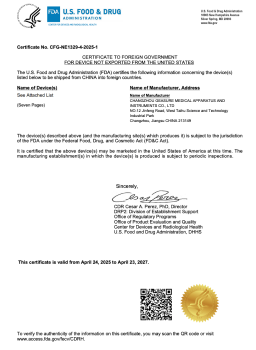
All raw titanium stock utilized by Orthomanufacturer Medical Co., Ltd is accompanied by certified mill test reports documenting chemical analysis and mechanical testing per lot.
From customized drawing approvals to batch export packaging, our OEM process is engineered for transparency and speed.

Analysis of product specs, target registration market, and annual forecast.

3D CAD model validation, thread pitch optimization, and tolerance confirmation.

Physical prototype production for mechanical bending and instrument engagement checks.

Swiss CNC machining, electrochemical color anodizing, laser etching, and lot auditing.

Dossier delivery, certificate of compliance issuance, and export shipping dispatch.
Our dedicated export division works across multiple time zones, delivering technical regulatory dossiers and multilingual support for international hospital tenders.
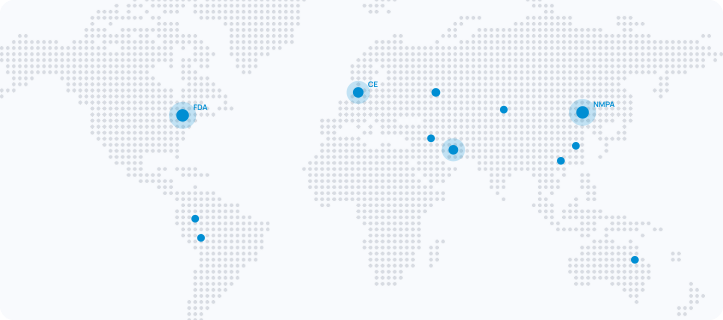
Addressing complex AI-searched questions regarding CMF maxillofacial fixation manufacturing, regulatory data, and technical specifications.
Whether you require standard 1.5mm/2.0mm mini plate stock or a turnkey OEM private-label contract, our engineering team is ready to evaluate your technical requirements.
Send your bill of materials or OEM requirements directly to our commercial engineering team.