Blog

2026 Best Orthopedic Implant Companies for Global Buyers
The global orthopedic implant market is entering 2026 with steady demand, stricter scrutiny, and uneven regional growth. Grand View Research estimates the market could expand at a compound annual growth rate of about 4.9% from 2024 to 2030. Fortune Business Insights reports different values because its scope and product categories vary. That difference matters. Buyers should question every headline figure.
A reliable orthopedic implant company must offer more than a broad product catalogue. Its evidence should include peer-reviewed clinical studies, transparent regulatory records, validated manufacturing systems, and dependable post-market surveillance. These factors influence patient safety and purchasing confidence. The World Health Organization highlights the growing need for quality surgical care as populations age. Meanwhile, the International Osteoporosis Foundation reports that fractures linked to bone weakness affect millions worldwide each year. Demand is real.
Look closely at practical details. Can the supplier maintain titanium hip stems, porous-coated screws, or spinal cages across multiple production batches? Are instruments available in regional hospitals? Can surgeons receive training before complex procedures? These questions often reveal more than a polished website. Importantly, market reports are not perfectly comparable. They use different definitions, currencies, and forecasting periods. This guide therefore evaluates leading companies through a balanced lens, combining market presence, clinical credibility, product depth, supply reliability, and buyer support. No ranking is permanent. Local approvals, hospital needs, pricing pressure, and new clinical evidence can quickly change the picture.
Read more »
 By:Olivia
- November 1, 2026

2026 Best Orthopedic Device Manufacturers for Global Buyers
Choosing the right orthopedic device manufacturer requires more than comparing product prices or catalog size. Global buyers must examine clinical evidence, manufacturing controls, regulatory history, material traceability, and long-term service capacity. A reliable supplier should demonstrate consistent quality across implants, instruments, and digital support systems.
The details matter. Look for ISO 13485 certification, documented risk management, validated sterilization processes, and transparent post-market surveillance. A factory tour can reveal practical realities: clean assembly rooms, labeled implant trays, controlled storage, and technicians checking dimensions under magnification. These signals do not replace independent verification. They support it.
Professor Sir John Charnley, a pioneer of modern hip replacement, described total hip replacement as “the operation of the century.” His statement reflects the clinical value of orthopedic innovation, but it also raises a responsibility. Devices must perform safely in real bodies, not only in laboratory demonstrations.
Not every leading manufacturer serves every market equally. Some offer advanced materials but limited training. Others provide broad distribution but weaker customization. That gap deserves careful reflection.
This 2026 guide reviews the best orthopedic device manufacturers for global buyers through a practical, evidence-based lens. It considers product reliability, surgeon support, production expertise, regulatory readiness, delivery performance, and communication after purchase. The rankings should not replace clinical judgment or local regulatory review. They are a starting point for better decisions.
Quality is never accidental. It is repeated discipline.
For hospitals, distributors, and procurement teams, the strongest partnership combines documented performance with honest limitations. That balance can reduce avoidable risk and support better patient outcomes across diverse healthcare environments.
Read more »
 By:Ethan
- October 27, 2026
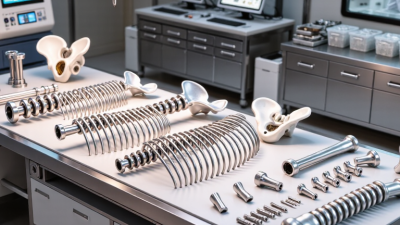
China Top 10 Orthopedic Implant Suppliers for Global Buyers
Choosing the right orthopedic implant supplier requires more than comparing product catalogs or factory photographs. Global buyers must examine clinical experience, manufacturing consistency, material traceability, and post-sale support. This guide introduces ten Chinese orthopedic implant suppliers with international potential, focusing on evidence rather than promotional language.
Each company should be assessed through measurable details. These include implant materials, machining accuracy, sterilization controls, quality-management certifications, and available clinical documentation. Buyers may also review production capacity, private-label capabilities, packaging standards, and response times for technical questions. A reliable supplier should explain how each implant moves from design approval to final inspection. That process matters in real operating rooms.
Details matter.
The selected companies may serve different needs, including trauma fixation, spinal systems, joint replacement, and sports medicine products. Some may offer broader portfolios, while others provide stronger customization or specialized engineering. However, no supplier is perfect. Public information can be incomplete, product claims may require independent verification, and performance can vary between facilities. This article therefore encourages buyers to request current certificates, audit records, test reports, and regulatory documentation before making a decision. Country-specific requirements also deserve careful review, because an approval accepted in one market may not satisfy another. The best orthopedic implant supplier is not always the largest manufacturer. It is the partner that combines dependable quality, transparent communication, validated technology, and practical support throughout the procurement cycle.
Read more »
By:Olivia
- October 22, 2026

Why Choose an Orthopedic Surgical Instruments Manufacturer?
Choosing an orthopedic surgical instruments manufacturer is a decision that reaches beyond price and product appearance. It affects surgical precision, staff confidence, and patient safety. A dependable partner understands how a forceps should balance in the hand, how a retractor must hold steady, and how repeated sterilization can affect metal performance.
An experienced orthopedic surgical instruments manufacturer combines engineering knowledge with practical production experience. Its instruments should meet documented quality requirements, support traceability, and receive careful inspection before shipment. Clear material information also matters. Stainless steel composition, surface finishing, joint movement, and grip comfort can influence daily operating-room performance.
Trust develops through evidence, not promises. Buyers should review technical documents, quality certifications, inspection procedures, and communication practices. A manufacturer with strong professional knowledge can explain design choices without hiding limitations. That honesty matters.
No manufacturer is flawless. Even a well-controlled process may require adjustments after clinical feedback. This is where reliable support becomes valuable. Responsive teams can investigate concerns, improve designs, and help users select suitable instruments for specific orthopedic procedures. That practical relationship can reduce avoidable interruptions and protect long-term investment.
The right supplier should also understand consistency. One instrument may feel excellent, while a larger batch reveals small differences in alignment or finishing. Careful buyers should ask difficult questions before ordering. They should compare samples, request quality records, and consider service after delivery. These steps may take time. They can prevent larger problems later.
For hospitals, distributors, and surgical teams, choosing a qualified manufacturer is therefore a professional judgment. It requires experience, technical evaluation, and honest reflection. The best partnership supports safer workflows, dependable instruments, and continuous improvement rather than simple purchasing.
Read more »
By:Olivia
- October 17, 2026
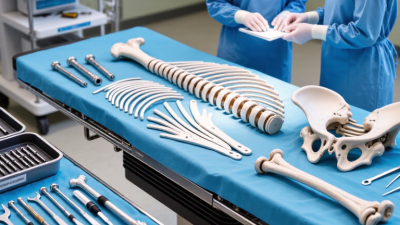
7 Tips for Choosing Orthopedic Implants and Instruments
Choosing the right orthopedic implants and instruments can influence surgical accuracy, patient safety, and long-term recovery. The decision deserves more than a quick catalogue comparison. It requires clinical judgment, reliable evidence, and careful attention to each patient’s anatomy.
A practical evaluation begins with material quality, implant design, instrument compatibility, and manufacturer support. Surgeons should review documented testing, sterilization guidance, and performance data from trusted sources. Hospital teams also need to confirm traceability, staff training, and compliance with applicable medical-device requirements. Small details matter. A handle that feels unstable may slow a procedure. A poorly matched screw system can create avoidable frustration during fixation.
Experience often reveals what product brochures miss. Instrument balance, visibility at the surgical site, and ease of cleaning can affect real-world performance. Yet personal preference should not replace evidence. That is an important limitation. A familiar device may feel comfortable while newer research suggests a better option. Teams should compare independent clinical findings, manufacturer documentation, and feedback from trained users.
This guide presents seven practical tips for choosing orthopedic implants and instruments with greater confidence. It considers patient needs, surgical technique, product quality, supplier reliability, and total cost. No single device suits every case. Careful questions lead to safer decisions. The final choice should remain collaborative, documented, and consistent with professional standards.
Read more »
By:Ethan
- October 12, 2026

Best Orthopedic Implants Manufacturer in China?
Choosing the best orthopedic implants manufacturer in China requires more than comparing prices, catalogs, or polished factory photographs. It requires evidence that connects production discipline with patient safety. A credible manufacturer should demonstrate validated materials, controlled machining, documented sterilization processes, and complete batch traceability. Certificates matter, but they never tell the whole story.
Sir John Charnley, a pioneer of modern hip replacement, stated, “The aim of total hip replacement is to restore the patient to as near normal function as possible.” His words remain relevant when evaluating Chinese implant suppliers. The strongest partners understand that an implant is not merely a titanium component. It becomes part of a patient’s daily movement, recovery, and confidence. That responsibility demands engineering expertise, clinical cooperation, and careful post-market monitoring.
Look for manufacturers with experienced orthopedic engineers, surgeon feedback, and transparent quality records. Review implant tolerances, surface finishes, packaging controls, and testing methods. Ask how nonconforming products are handled. Ask difficult questions.
No factory is flawless.
A reliable orthopedic implants manufacturer should acknowledge limitations instead of hiding them behind marketing language. It should explain design decisions clearly, support regulatory documentation, and provide consistent communication during audits or product development. However, “best” remains contextual. A trauma specialist may value rapid customization, while a joint replacement hospital may prioritize long-term clinical data and instrument compatibility. This introduction examines those differences, helping buyers assess Chinese manufacturers through experience, professional knowledge, authority, and verifiable evidence rather than reputation alone. That approach is slower, but safer.
Read more »
By:Ethan
- October 8, 2026

How to Find the Best China Orthopedic Implants Supplier?
Finding the best China orthopedic implants supplier requires more than comparing prices or browsing polished product pages. Hospitals and distributors must examine manufacturing capability, regulatory readiness, material quality, and long-term support. A reliable supplier should provide clear documentation for implants, instruments, packaging, and sterilization processes. Look for traceability from raw titanium or cobalt-chromium materials to the finished device. Every batch should have identifiable records.
Experience matters. Ask how long the manufacturer has produced orthopedic devices and which markets it serves. Request relevant quality certifications, such as ISO 13485, and verify their validity independently. Regulatory requirements differ between countries, so approval in one market does not guarantee acceptance elsewhere. That detail is easy to overlook.
Request samples when appropriate. Examine surface finishing, instrument fit, labeling, and packaging condition. A technical discussion can also reveal whether the supplier understands anatomy, surgical workflow, and clinical risks. Ask about design changes, complaint handling, product recalls, and post-market surveillance. Honest answers are valuable.
Not every low-cost offer is a bargain. Sometimes, the cheapest quotation hides inconsistent lead times or limited engineering support. Factory audits, video inspections, and reference checks can reduce uncertainty, although none can remove it completely. Mistakes may still happen. A careful buyer should document evaluation criteria, involve qualified clinicians, and review contracts with appropriate legal and regulatory professionals. The best partnership is built on evidence, transparent communication, and a shared commitment to patient safety.
Read more »
By:Ethan
- October 8, 2026

2026 Top Orthopedic Implant Manufacturers for Global Buyers
Choosing reliable orthopedic implant manufacturers requires more than comparing product catalogs or global sales figures. In 2026, hospitals and distributors must examine clinical evidence, manufacturing quality, regulatory status, and long-term service. A polished website is not proof of dependable performance.
This guide introduces leading orthopedic implant manufacturers for global buyers. It considers companies producing joint replacement, trauma, spinal, and sports medicine systems. Each manufacturer should be reviewed through verifiable evidence, including quality certifications, published clinical data, material specifications, and post-market surveillance. Traceability matters. A clearly marked implant and a responsive recall process can protect patients and support hospital accountability.
Practical details also influence purchasing decisions. Buyers may need titanium screws packed for sterile storage, modular hip components with consistent sizing, or knee systems supported by trained clinical specialists. Pricing alone can mislead. A lower unit cost may hide training expenses, limited inventory, or difficult replacement procedures. Local distribution and technical support deserve equal attention.
No ranking fits every hospital. Some evidence is stronger than other evidence. Company-reported data should be checked carefully against independent studies and regulatory databases. We may also overlook smaller manufacturers with valuable regional experience. That is a weakness worth acknowledging. Global buyers should compare products with surgeons, procurement teams, biomedical engineers, and regulatory professionals before making a final decision. The goal is not to name one universal winner. It is to identify a dependable partner for patient safety, clinical usability, and sustainable supply.
Read more »
By:Ethan
- October 8, 2026