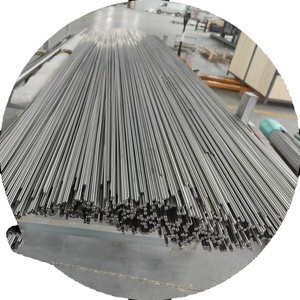
Verified OEM / ODM Portfolio
Recommended Orthopedic Implants & Systems
High-precision orthopedic implants, instruments, and rehabilitation systems engineered to ISO 13485 and CE standards.
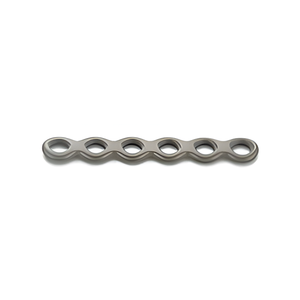
Locking Plate Orthopaedic Instrument Medical Implants 2.5mm Condyle Locking Plate Straight
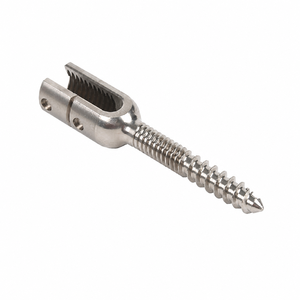
Titanium Pedicle Screw CNC Machining Service Spinal Orthopedic Bone Screw Custom Precision OEM Parts
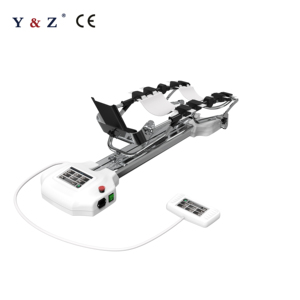
Factory Direct Comfortable Lower Limb Hip Ankle Joint Cpm Machine Orthotics Knee Rehabilitation Device ABS White CE ISO
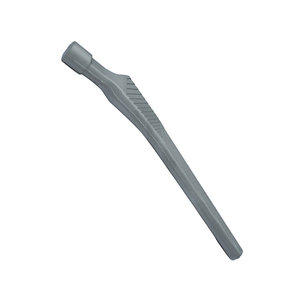
High Quality Forged Ti6Ai4V Hip Joint Prosthesis Orthopedic Implant ISO 13485 Certified Customized Size HKXN Brand
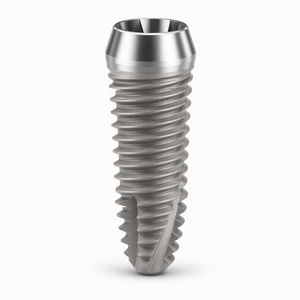
JXD Machining Precision CNC Machined Titanium Dental Implants Screw for Medical Device Surgical Spare Components 01
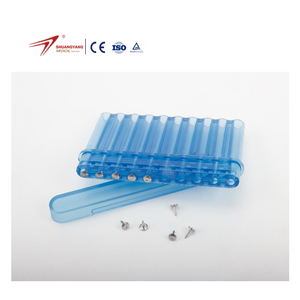
Shuangyang Orthopedic Implant Titanium Alloy Screw Gbr Membrane Bone Tack System Dental Hospital Use CEISO Certified 1 Year
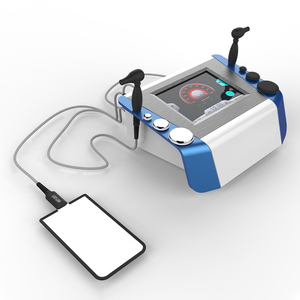
new arrival orthotic physiotherapy equipment scan machine physiotherapy leg machine physiotherapy electrode machine
100%
Lot Traceability & Raw Material Audit
±0.005mm
CNC Machining Precision Tolerance
ISO 13485
Certified Cleanroom Manufacturing
60+
Global Export Destination Markets
Comparative Deep-Dive: Chinese vs. Indian Orthopedic Manufacturing Hubs
The global market for trauma fixation, spinal fusion, joint reconstruction, and craniomaxillofacial (CMF) implants has experienced a structural shift toward Asian medical device manufacturers. As healthcare providers, hospital networks, and global distributors seek high-performance alternatives to premium Western OEMs, two primary export centers have emerged: China and India. Both nations possess massive industrial footprints, yet their metallurgical capabilities, precision engineering infrastructure, regulatory submission frameworks, and systemic supply chain integration differ substantially.
Whitepaper Focus & Sourcing Intent
This whitepaper establishes an objective engineering and procurement benchmark for B2B importers, OEM brand owners, and hospital procurement committees. We analyze raw material standards (ASTM F136 Ti-6Al-4V ELI vs. ASTM F138 316L), micro-machining tolerances, surface passivation integrity, and compliance readiness under the European Union Medical Device Regulation (EU MDR 2017/745) versus international CE certification standards.
Technical Sourcing Benchmark: China vs. India Suppliers
| Evaluation Parameter | Chinese Orthopedic Manufacturers | Indian Orthopedic Manufacturers | Strategic Impact on Procurement |
|---|---|---|---|
| Raw Material Sourcing & Metallurgy | Domestic production of ASTM F136 Ti-6Al-4V ELI & ASTM F2026 PEEK bars with direct mill certificate verification (Baoji Titanium Hub). | Heavy reliance on imported raw titanium bars (US/Europe) or commercial grade local alloys; variable lot-to-lot purity. | Chinese suppliers offer full material lot traceability from ingot to final sterile package, reducing fatigue failure risks. |
| Machining Infrastructure & Precision | High density of multi-axis CNC Swiss automatic turning machines (Citizen, Tsugami) and 5-axis milling centers. Tolerance: ±0.005mm. | Mix of modern CNC tooling and traditional 3-axis machinery. Variable tolerances on micro-threads and pedicle screw recesses (±0.015mm). | Superior thread mesh and driver engagement in Chinese screws prevent intraoperative cam-out and stripping. |
| Regulatory Readiness (CE / EU MDR) | Extensive transition to EU MDR 2017/745 class IIa/IIb/III technical documentation, ISO 13485 cleanroom validation, and biocompatibility testing. | Strong presence in domestic CDSCO certifications and classical MDD CE marks; slower rollout of comprehensive EU MDR technical files. | Chinese exporters provide ready-to-file regulatory dossiers (STED) for fast local market authorization. |
| System Integration (Implants + Tools) | Complete single-source ecosystem: matching anatomical plates, screws, dedicated surgical toolkits, and autoclavable cases. | Focus primarily on individual implant items; surgical instrument sets are frequently outsourced to third-party workshops. | Single-source bundling ensures zero dimensional discrepancy between surgical drill guides, drivers, and implant plates. |
| OEM / ODM Customization & Turnaround | Rapid prototyping within 7–14 days from CAD models; rapid tooling for patient-specific implants (PSI) and custom locking plates. | Flexible small-batch processing, but longer turnaround for complex custom tooling due to specialized equipment constraints. | China delivers shorter time-to-market for private-label distributors launching proprietary orthopedic lines. |
Metallurgical & Micro-Engineering Technical Breakdown
ASTM F136 Ti-6Al-4V ELI Purity
Extra Low Interstitial (ELI) titanium alloy is the gold standard for load-bearing pedicle screws and intramedullary nails. Chinese mills maintain strict control over interstitial elements (oxygen, nitrogen, iron), achieving tensile strengths exceeding 860 MPa and superior cyclic fatigue life compared to standard Grade 5 alloys.
Type II Surface Anodization
Electrochemical passivation per ASTM F86 creates a controlled titanium oxide layer that dramatically reduces fretting corrosion between locking screws and plate hole threads. Advanced color anodizing also serves as intuitive intraoperative size-coding for surgical teams.
PEEK & Carbon-Fiber Composites
For spinal interbody fusion cages (PLIF, TLIF, ALIF), ASTM F2026 radiolucent PEEK provides an elastic modulus (3.6 GPa) closely matching human cancellous bone, minimizing stress shielding while allowing effortless radiographic artifact-free imaging post-surgery.
Future Trends in Global Orthopedic Implant Sourcing
As hospital procurement contracts become increasingly stringent, procurement directors must evaluate vendors not merely on initial unit price, but on lifetime risk mitigation, supply chain stability, and technological adaptability. Over the next decade, four key macro trends will define competitive advantage in orthopedic hardware sourcing:
1. Stringent Regulatory Harmonization
The legacy MDD environment has ended. Global exporters must maintain continuous clinical evaluation reports (CER), post-market surveillance (PMS) data, and direct UDI laser-marking traceability down to individual screw lots.
2. Additive Manufacturing & 3D Porous Titanium
Electron Beam Melting (EBM) and Selective Laser Sintering (SLS) are replacing traditional plasma spraying for acetabular cups and spinal cages, creating trabecular bone-mimicking structures that accelerate osseointegration.
3. Complete Turnkey Kit Delivery
Importers no longer want standalone implants. The industry standard has shifted toward modular aluminum sterilization trays stocked with color-coded drivers, benders, depth gauges, and power tool attachments.
4. Supply Chain Consolidation
Leading hospital groups are reducing supplier numbers, favoring integrated manufacturers capable of supplying trauma, spine, sports medicine, joint, and power tools under one consolidated quality system.
Manufacturer Profile & Capabilities
Why Global Importers Partner with Orthomanufacturer Medical
Orthomanufacturer Medical Co., Ltd operates specialized manufacturing facilities dedicated to spine, trauma, joint, sports medicine, and craniomaxillofacial implant systems. By bridging rigorous Swiss machining technology with Chinese metallurgical supply chain efficiency, we empower global distributors to compete effectively against Tier-1 multinational brands.
- ✓ Full Traceability Architecture: 100% laser marking linking raw material heat numbers to finished sterile packs.
- ✓ Zero-Mismatch Tooling Guarantee: Instruments engineered and batch-tested alongside target implants for perfect driver engagement.
- ✓ Regulatory Dossier Support: Technical files, biocompatibility reports (ISO 10993), and IFUs furnished for local registration.
- ✓ Comprehensive OEM/ODM Service: Custom laser etching, custom box packaging, and fast CAD-to-prototype turning.
Procurement Guidance
Frequently Asked Questions by Global Buyers
Key technical, regulatory, and commercial answers for orthopedic device procurement officers.
How do Chinese and Indian orthopedic implant suppliers compare under CE MDR compliance?
Chinese orthopedic manufacturers have invested heavily in upgrading cleanroom environments (ISO Class 7/8), acquiring advanced 5-axis CNC equipment, and building complete technical documentation compliant with EU MDR 2017/745. While select Indian suppliers maintain MDD CE certificates or domestic CDSCO approvals, Chinese exporters generally offer broader regulatory dossiers, standardized fatigue test reports (ASTM F1717 for spine, ASTM F382 for plates), and comprehensive biocompatibility studies (ISO 10993) required for international tender qualification.
What raw material certifications should I require when purchasing titanium implants?
For load-bearing implants such as pedicle screws, intramedullary nails, and locking plates, always require mill certificates verifying compliance with ASTM F136 (Ti-6Al-4V ELI) or ISO 5832-3. For CMF plates and mesh, verify ASTM F67 (Commercially Pure Titanium). Certificates must state mechanical properties (tensile strength, yield strength, elongation percentage) and chemical composition analysis demonstrating low hydrogen, oxygen, and iron limits.
Why is complete implant-and-instrument kit matching critical for hospital tenders?
Mixing implants from one supplier with surgical toolkits from another risks minor dimensional discrepancies between screw recesses (e.g., Star/Torx or Hex drives) and driver shafts. Even a 0.02mm tolerance error can cause driver cam-out, screw head stripping, or implant binding during intraoperative insertion. Sourcing bundled implant and instrument systems from a single specialized manufacturer eliminates surgeon frustration and intraoperative product failure.
Can Orthomanufacturer Medical support private-label laser marking and custom packaging?
Yes. We offer complete OEM and private-label customization, including high-precision laser marking of distributor brand logos, catalog reference numbers, lot numbers, and UDI matrix codes directly onto titanium and stainless steel implants. Custom color anodizing, custom labeling, and validated cleanroom pouch/blister packaging configurations are also available based on target market requirements.
What is the standard lead time for OEM samples and production orders?
Standard catalog sample orders (such as sample locking plates, pedicle screws, or instrument evaluation sets) are typically dispatched within 3 to 7 business days. Custom OEM orders requiring new CAD drawing approvals, custom tooling, and pilot production runs take between 14 to 30 days depending on component complexity and sterilization packaging requirements.
How do you ensure fatigue strength and dimensional precision across bulk production lots?
Every production batch undergoes strict quality control protocols: automated CMM coordinate measuring machine inspections, optical projector gauge checks for thread pitch concentricity, and mechanical fatigue testing per ASTM standards. Finished lots are cross-referenced with raw material heat certificates to ensure consistent grain structure and zero internal material micro-defects.
Ready to Upgrade Your Orthopedic Product Portfolio?
Contact our medical engineering and global export team today to receive detailed product catalogs, material test reports, regulatory dossiers, and competitive OEM quotations.