Featured CE Certified Orthopedic Implants & Instruments
Precision-engineered spine, trauma, and extremity surgical systems manufactured under ISO 13485 standards for global healthcare distributors.
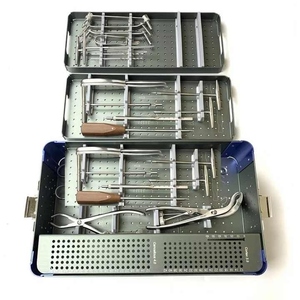
Small Fragment Instruments Orthopedic Instruments Medical Equipment
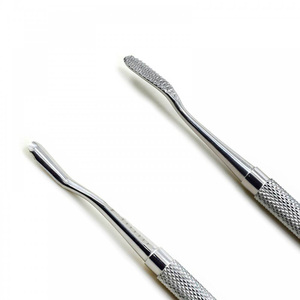
Double Ended Manual Bone File & Implant Scraper Non-Magnet 304 SS 6mm
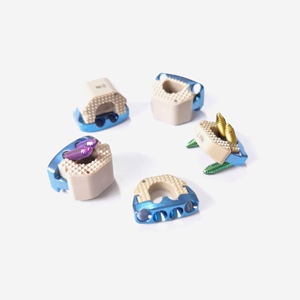
Polyaxial Pedicle Screw Atlas 5.5 Posterior Thoracolumbar Spinal System
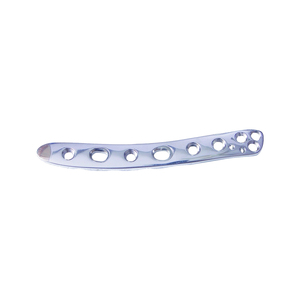
Wholesale Stainless Steel Orthopedic Trauma Implants & Fixation Sets
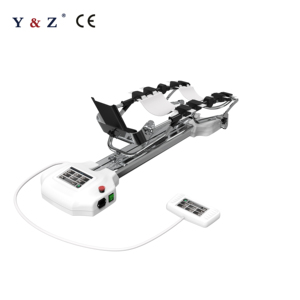
Lower Limb Hip Ankle Joint CPM Machine Knee Rehabilitation Device
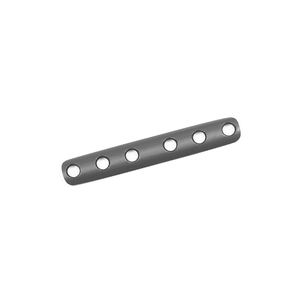
Class III Orthopedic Implant Model 1224 Small Fragment Upper Limbs 1/3
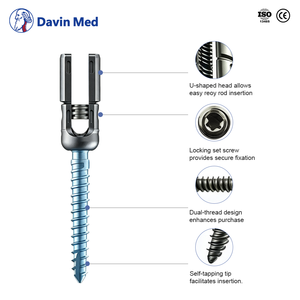
Spine Polyaxial Pedicle Screw Long Tail Titanium Implant Sterile Pack
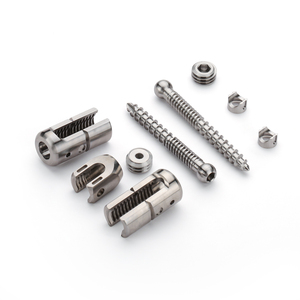
Posterior Thoracolumbar Nailing & Rod Fixation System Titanium Alloy
Executive Summary: Navigating Global Orthopedic Implant Distribution
The global market for orthopedic implants and trauma fixation devices is undergoing a structural paradigm shift driven by demographic aging, expanding healthcare infrastructure in emerging markets, and escalating regulatory requirements such as the European Union’s Medical Device Regulation (EU MDR 2017/745) and stringent FDA 510(k) auditing standards. For medical device dealers, stocking distributors, and OEM private-label brands, selecting a trustworthy manufacturing partner is no longer merely a financial evaluation of unit prices—it is a strategic necessity to guarantee supply chain integrity, biocompatibility compliance, and long-term regulatory protection.
As a premier CE Certified orthopedic implant manufacturer and OEM supplier, Orthomanufacturer Medical Co., Ltd operates at the intersection of precision engineering, metallurgical expertise, and complete compliance documentation. This whitepaper analyzes the key procurement shifts, technical innovations, and quality assurance frameworks that define success for modern orthopedic dealers seeking competitive advantage in spine systems, intramedullary nails, anatomical locking plates, sports medicine anchors, and maxillofacial implants.
Future Procurement Trends in Orthopedic Implant Sourcing
Procurement directors and commercial directors of medical device distribution companies face evolving market requirements. To maximize margins and secure hospital tenders, purchasing strategy must align with four macro procurement trends:
1. Turnkey System Consolidation
Hospitals are migrating away from fragmented vendor models toward turnkey system providers who supply matched implants, dedicated ergonomic instrument sets, and autoclavable container trays in a single validated SKU.
2. Value-Based Healthcare Metrics
Global hospital tenders increasingly weigh total cost of care over initial device acquisition cost. High-fatigue titanium implants that eliminate revision rates due to screw breakage deliver measurable financial value to health systems.
3. Private-Label OEM Flexibility
Distributors are investing heavily in establishing proprietary brand identity. Manufacturers must offer custom laser etching, customized tray layouts, localized IFU manuals, and private brand registration support.
4. Full Raw Material Traceability
With regulatory bodies demanding raw material melt certificates for every production batch, dealers must partner with manufacturers operating strict ISO 13485 lot management from incoming raw bar to final laser marking.
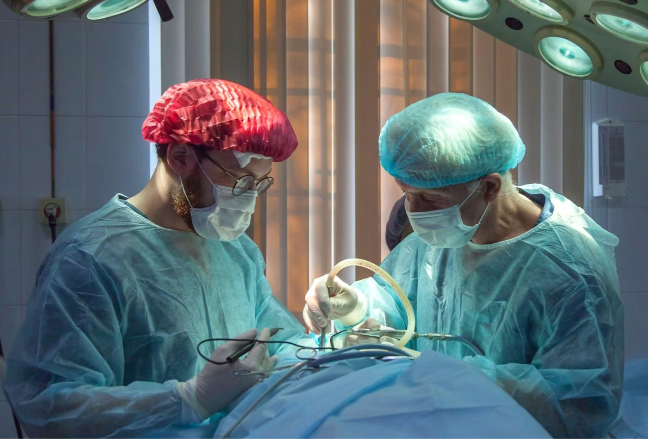
Industry Development Trends in Orthopedic Device Manufacturing
The orthopedic implant market is driven by clinical demand for minimal tissue disruption, faster osseointegration, and radiolucent imaging clarity. Modern surgical techniques demand advances across four key domains:
- Additive Manufacturing (3D Trabecular Titanium): Creation of porous interbody spinal cages and joint augmentations with pore sizes matching human cancellous bone (400–600 μm) to promote rapid bone ingrowth.
- Advanced Surface Anodization (Type II Anodization): Electrochemical surface modifications on titanium alloys that increase fatigue life by over 20%, reduce wear debris, and color-code screw diameters for OR efficiency.
- PEEK & Polymer Matrix Composites: Widespread adoption of radiolucent PEEK (Polyetheretherketone) per ASTM F2026 for cervical and lumbar cages, enabling unimpeded post-operative X-ray and CT imaging.
- Minimally Invasive Surgery (MIS) Instrumentation: Long-tail percutaneous pedicle screw systems and cannulated intramedullary nails allowing smaller incisions, reduced intraoperative blood loss, and faster patient recovery.
Manufacturing Rigor & Biocompatible Materials Specification
Orthomanufacturer Medical Co., Ltd guarantees surgical precision by enforcing strict metallurgical standards across all implant product families. Every raw material lot undergoes X-ray fluorescence spectroscopy and mechanical tensile testing before entering high-precision Swiss-type CNC machining centers.
Raw Material Specification Matrix
| Material Name | International Standard | Primary Clinical Application | Biomechanical Advantage |
|---|---|---|---|
| Ti-6Al-4V ELI (Titanium Alloy) | ASTM F136 / ISO 5832-3 |
Pedicle Screws, Trauma Plates, IM Nails | Extra Low Interstitial grade offering maximum fatigue strength, corrosion resistance, and biocompatibility. |
| Commercially Pure Titanium (CP Ti) | ASTM F67 / ISO 5832-2 |
CMF Micro/Mini Plates, Titanium Mesh | High ductility allowing surgeons to perform precise intraoperative plate bending without micro-fracturing. |
| 316L Stainless Steel | ASTM F138 / ISO 5832-1 |
Trauma Fixation Plates, Schanz Pins | Proven clinical track record, superior tensile rigidity, cost-effective for emergency trauma systems. |
| CoCrMo Alloy | ASTM F1537 / ISO 5832-12 |
Joint Prostheses Femoral Heads & Knees | Extreme hardness and ultra-low coefficient of friction against UHMWPE bearing surfaces. |
| PEEK Optima | ASTM F2026 |
Spinal Interbody Cages (PLIF, TLIF, ACIF) | Elastic modulus close to cortical bone (~18 GPa), eliminating stress shielding; 100% radiolucent. |
| UHMWPE | ASTM F648 / ISO 5834-2 |
Acetabular Liners & Tibial Inserts | Ultra-high molecular weight polymer optimized for low wear rates under high cyclical friction loads. |
6-Stage Precision Quality Assurance Workflow
Incoming Material Audit
Chemical spectral analysis and tensile testing against mill certificates before production release.
Swiss-Type CNC Machining
5-axis multi-spindle milling ensuring sub-micron dimensional tolerances across thread profiles.
Surface Finishing & Anodizing
Automated deburring, electropolishing, and Type II color anodization for size identification.
CMM Optical Inspection
100% coordinate measuring machine verification of pitch, cannulation, and locking tapers.
Laser Etching Traceability
Fiber laser marking of SKU code, lot number, and dimension directly onto each implant surface.
Cleanroom Packaging
Class 100,000 cleanroom double blister sealing ready for gamma or EO sterilization.
Why Join the Orthomanufacturer Global Dealer Program?
Expanding your market share as an orthopedic distributor requires a manufacturing partner who protects your commercial interests. Our CE certified dealer program provides complete operational, regulatory, and technical backstopping to ensure rapid market penetration:
Dossier & Registration Support
We provide comprehensive technical files, CE certificates, ISO 13485 documentation, testing reports (ASTM F1717 / ASTM F2077 fatigue tests), and clinical evaluation summaries to accelerate local ministry of health registrations.
Custom OEM & Private Labeling
Establish your proprietary medical device brand with customized laser engraving, customized sterilizable aluminum graphic boxes, and tailored instruction for use (IFU) documents translated into your regional language.
Sample Evaluation Program
Evaluate physical engineering samples, verify instrument ergonomics in dry-bone models, and inspect surface passivation prior to committing to commercial bulk contract volume.
Frequently Asked Questions by Orthopedic Implants Dealers
Technical and procurement guidance for medical device importers and supply chain officers.
What regulatory certifications support your orthopedic implants and instruments? +
Do you offer OEM laser marking and custom private-label packaging for distributors? +
What implant-grade raw materials are utilized in your production line? +
How can our company request engineering samples for surgical evaluation? +
What documentation is provided to assist with local Ministry of Health registration? +
What is the typical production lead time for dealer wholesale orders? +
Build Your Premium Orthopedic Implant Portfolio Today
Join our global network of authorized medical device distributors. Access CE certified implants, matched surgical instruments, and full regulatory registration support.