Featured CE & ISO Certified Orthopedic Systems
Explore our primary implant ranges and matched precision instrumentation designed for traumatology, joint reconstruction, and orthopedic surgeries.
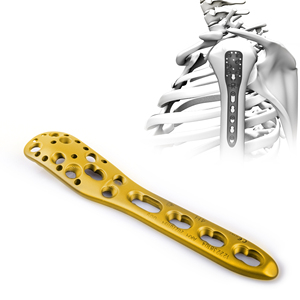
CANWELL OEM Proximal Humeral Titanium Locking Plate Philos System Trauma Fracture
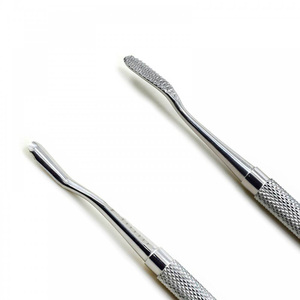
Premium Quality Double Ended Manual Bone File Scraper 304 Stainless Steel 6mm CE
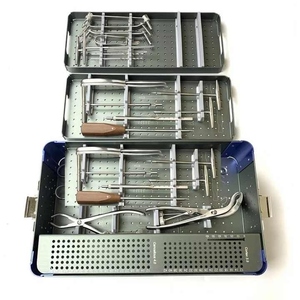
Small Fragment Instruments Orthopedic Surgical Set & Sterilization Container Kit
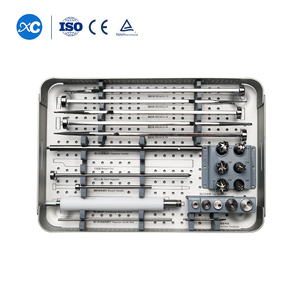
XC MEDICO Premium MINI Double Action Hip System Veterinary & Small Joint Surgery
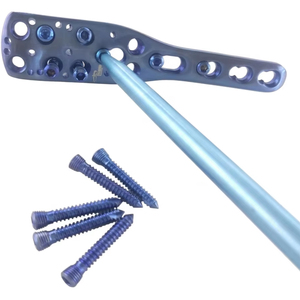
Premium Quality LCP 3.5mm Proximal Humeral Philos Plate 4-7 Holes Titanium Implants
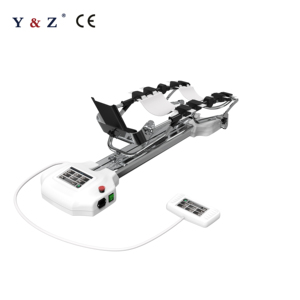
Lower Limb Hip Ankle Knee Joint CPM Machine Rehabilitation Orthotics Device ABS
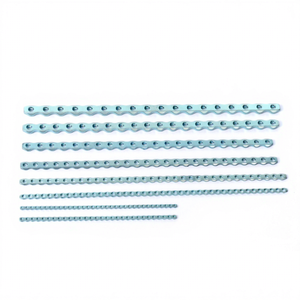
Small Animal Titanium Orthopedic Implant ALPS Reconstruction Locking Plate Class III
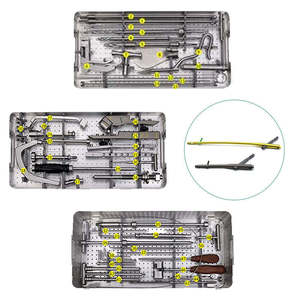
Factory Direct PFNA Interlocking Intramedullary Nail Instrument Set Proximal Femur
Navigating the African Orthopedic Implant Market Dynamics
Strategic intelligence for healthcare importers, government tender boards, and regional surgical device suppliers.
1. Demographic Drivers & Trauma Care Demands in Africa
African healthcare infrastructure is experiencing an unprecedented structural transformation. Rapid urbanization, expanded highway development, and industrial growth have led to a sharp increase in high-energy trauma cases, particularly road traffic collisions (RTCs) and occupational injuries. Sub-Saharan Africa and North African regions account for a disproportionately high burden of long-bone fractures, complex periarticular trauma, and spinal cord injuries relative to available specialized orthopedic surgical beds.
Consequently, public health departments, military medical centers, and private hospital networks across key hubs such as South Africa, Nigeria, Kenya, Egypt, Ghana, and Ethiopia are prioritizing the procurement of standardized, bio-compatible, and fatigue-resistant trauma implants. Importers increasingly demand complete surgical ecosystems—combining anatomical locking compression plates (LCP), intramedullary nail systems (PFNA), and spinal pedicle screw fixations—that offer uncompromising mechanical integrity alongside competitive total cost of acquisition.
SAHPRA & Southern Africa
Regulatory entry into South Africa and the SADC region requires explicit SAHPRA medical device licensing, ISO 13485 certification, and technical documentation proving ASTM F136 titanium compliance.
South Africa StandardNAFDAC & West Africa
Importation into Nigeria and ECOWAS member states hinges on NAFDAC pre-shipment inspection, Clean Report of Findings (CRF), and valid CE Mark Certificates under EU directives.
Nigeria & ECOWASPPB & East Africa
Kenya's Pharmacy and Poisons Board (PPB) and EAC harmonized guidelines demand complete dossier evaluation, batch test certificates, and robust sterile barrier packaging validation.
Kenya & EAC HubOrthopedic Product Recommendation & Technical Specifications
Detailed clinical rationale and engineering parameters for our major surgical implant portfolios.
Anatomical Locking Compression Plates (LCP)
Engineered from implant-grade Titanium Alloy (Ti-6Al-4V ELI / ASTM F136) and 316L Stainless Steel (ASTM F138). Designed for complex shaft and intra-articular fractures of the humerus, radius, femur, and tibia.
- Combination holes allowing dynamic compression and angular stable locking.
- Low-profile cross sections minimizing soft tissue irritation and periosteal damage.
- Pre-contoured anatomical geometry reducing intraoperative bending time.
Interlocking Intramedullary Nails (PFNA / Tibial / Femoral)
Cannulated locking nails designed for closed minimally invasive surgery (MIS). Incorporates helical blades or lag screws for superior fixation in osteoporotic proximal femoral fractures.
- Helical blade mechanism provides compaction of cancellous bone.
- Multi-planar distal locking options ensuring rotational and axial stability.
- High-precision radiolucent carbon-fiber aiming instrumentation.
Thoracolumbar & Cervical Spine Systems
Complete posterior spinal pedicle screw systems, PEEK interbody fusion cages (ASTM F2026), and anterior cervical locking plates for degenerative spine and spinal trauma management.
- Dual-lead thread pedicle screws for enhanced pull-out strength in cancellous bone.
- Polyaxial tulip head movement up to 50 degrees for effortless rod insertion.
- Radiolucent PEEK cages integrated with x-ray visible Tantalum markers.
Hip & Knee Joint Prostheses
Primary joint replacement systems comprising Cobalt-Chromium-Molybdenum (CoCrMo / ASTM F1537) femoral components, highly cross-linked UHMWPE liners, and cementless titanium plasma spray stems.
- Vacuum Plasma Spray (VPS) titanium coating for optimized biological osseointegration.
- Micro-polished friction-reducing joint surfaces preventing wear debris formation.
- Modular stem and head sizes catering to diverse patient anatomical profiles.
CMF Titanium Micro & Mini Plates
Low-profile pure titanium (ASTM F67) 1.5mm, 2.0mm, and 2.4mm reconstruction plates and self-tapping screws for trauma, orthognathic, and craniofacial surgical procedures.
- Exceptional malleable ductility allowing custom intraoperative plate bending.
- Cross-recess and hex-head screw drives for secure engagement during insertion.
- Color-coded anodization for instantaneous intraoperative sizing identification.
Autoclavable Surgical Power Drills & Saws
Heavy-duty orthopedic surgical power tools including cannulated bone drills, oscillating saws, and acetabular reamers designed for sterilizability and high-torque execution.
- Li-ion battery powered handpieces with variable speed control triggers.
- Hermetically sealed motor assemblies capable of withstand multiple autoclave cycles.
- Full set of quick-coupling chuck adapters for multi-brand tool integration.
Material Quality Verification Matrix & ASTM Standards
Implant longevity and biostability depend entirely on chemical composition and manufacturing tolerances. Review our compliance standard reference table below.
| Raw Material Grade | International Standard | Primary Surgical Applications | Mechanical Properties & Biocompatibility Advantage |
|---|---|---|---|
| Titanium Alloy Ti-6Al-4V ELI | ASTM F136 / ISO 5832-3 | Pedicle Screws, Locking Plates, Intramedullary Nails | Extra Low Interstitial (ELI) grade provides elevated fracture toughness, superior fatigue strength, and excellent MRI compatibility. |
| Commercially Pure Titanium (CP-Ti) | ASTM F67 / ISO 5832-2 | CMF Mini-plates, Titanium Mesh, Small Fragment Plates | High ductility and bending flexibility allow exact contouring to skull and facial bones without work-hardening embrittlement. |
| Medical Grade Stainless Steel | ASTM F138 / ISO 5832-1 | Trauma Compression Plates, Schanz Pins, External Fixators | Vacuum Melted (316LVM) alloy offering ultra-high tensile strength, cost-effective mechanical load bearing, and corrosion passivation. |
| Cobalt-Chromium-Molybdenum | ASTM F1537 / ISO 5832-12 | Total Hip Femoral Heads, Knee Femoral Components | Extreme hardness and polished wear-resistant surfaces that prevent metal-on-polyethylene bearing surface degradation. |
| Polyether Ether Ketone (PEEK) | ASTM F2026 | Cervical & Lumbar Interbody Fusion Cages | Elastic modulus matching human cancellous bone (~3.6 GPa), eliminating stress shielding while providing clear radiolucency. |
| Ultra-High Molecular Weight PE | ASTM F648 / ISO 5834-2 | Acetabular Liners, Knee Tibial Inserts | Highly cross-linked polymeric matrix with exceptional impact absorption and minimal long-term wear particulate debris. |
Future Procurement Trends in African Healthcare
Anticipating structural shifts in medical device procurement, government tenders, and supply chain logistics across the continent.
1. Turnkey Instrument & Implant System Bundling
Procurement teams are moving away from piecemeal sourcing. Hospital networks now insist on turnkey procurement—demanding matching implants, color-coded surgical instrumentation, and autoclavable container trays shipped together from a single validated manufacturer. This eliminates surgical driver slippage and thread cross-matching errors.
2. UDI Traceability & Anti-Counterfeiting Integrity
With strict post-market surveillance enforced by African regulatory bodies, direct laser etching of Unique Device Identification (UDI) matrix codes on implants is becoming mandatory. Importers require 100% material lot traceability from raw titanium billet down to the individual serial code on each pedicle screw or intramedullary nail.
3. Growth of OEM & Private-Label Regional Brands
Prominent African medical distributors are establishing localized private-label brands. Partnering with accredited OEM/ODM manufacturers allows regional suppliers to build brand equity, customize packaging in English, French, or Portuguese, and secure long-term public health tenders with high-profit margins.
Technological & Manufacturing Innovations in Trauma Solutions
How advanced manufacturing techniques are lowering surgical complications and enhancing clinical efficacy.
3D Titanium Printing & Custom Mesh
Additive manufacturing using direct metal laser sintering (DMLS) allows the creation of complex porous trabecular titanium surfaces. These structures mirror natural cancellous bone pore sizes (300–500 microns), drastically accelerating osteoblast colonization and vascular ingrowth for reconstructive oncology and revision arthroplasty cases.
Tropicalized Sterile Barrier Packaging
To withstand extreme ambient temperatures and high relative humidity during freight transport across tropical African zones, medical implants must utilize medical-grade Tyvek blister trays. Double sterile packaging validated under ASTM F1980 accelerated aging tests guarantees a 5-year shelf-life stability without sterile integrity breach.
Why African Distributors Partner With Our Manufacturing Facilities
Uncompromising quality control, full regulatory support dossiers, and flexible OEM capabilities built for long-term distributor success.
Advanced CNC Machining Center
Equipped with ultra-precise Swiss-type multi-axis CNC lathes (Citizen, Star) and 5-axis machining centers (DMG MORI). We guarantee thread pitches, cannulation concentricity, and locking hole tolerances within ±0.005mm accuracy.
Full Dossier Tender Support
We provide comprehensive technical documentation packages for government tenders: ISO 13485 certificates, CE Mark declarations, raw material mill certificates, bio-compatibility reports, and step-by-step surgical technique manuals.
OEM & Private Label Services
From customized laser marking of your brand logo and customized box packaging to bespoke implant modification based on custom CAD drawings or physical samples. Low minimum order quantities (MOQ) available for new regional distributors.
Frequently Asked Questions for African Importers & Buyers
Clear answers regarding regulatory documentation, product customization, logistics, and sample evaluation.
What regulatory certificates do you supply for African customs and health ministry clearance? +
Are implants supplied pre-sterilized or non-sterile? +
Can we evaluate product samples before committing to large tender orders? +
What raw material grades are used in your orthopedic trauma plates and screws? +
Do your instrument sets match major international brand designs? +
What is the average production lead time for orders shipped to African ports? +
How do you support private-label OEM branding for regional importers? +
How can I request a formal quotation or full product catalog? +
Partner With a Proven CE Certified Orthopedic Manufacturer
Expand your regional hospital distribution network with premium, ISO 13485 & CE certified trauma, spine, joint, and CMF implant systems. Request our complete B2B product catalog and factory-direct pricing today.