CE Certified Orthopedic Implants & Surgical Assemblies
Standardized and custom-manufactured surgical implants configured for high clinical success, complete lot traceability, and full compliance with public hospital tenders in Kazakhstan.
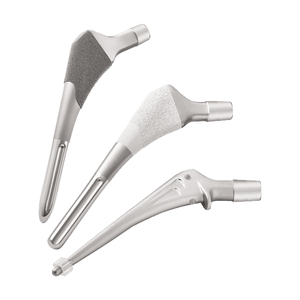
ZIMMER M/L 12/14 Taper Hip Prosthesis Femoral Stem Standard Offset Industrial Grade ODM Custom Medical Implant
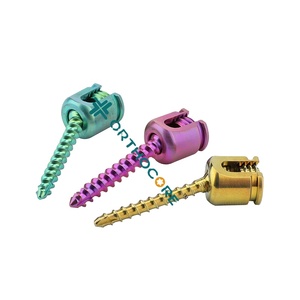
Orthopedic Implants for Large Animals Veterinary Spinal Screw System
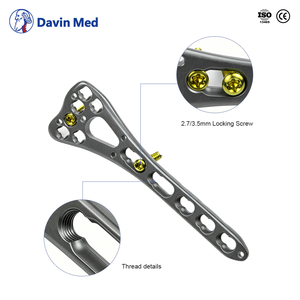
Davin Med Titanium Distal Radius Locking Plate System 2.4mm Kit
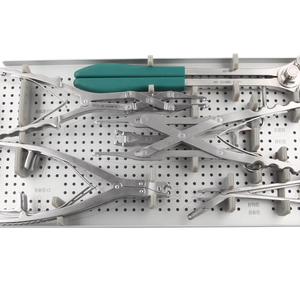
COX 6.0 Screw & Rod System Class I Implant Surgical Instrument Set
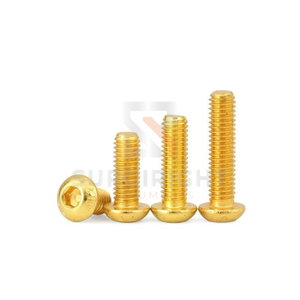
SurgiRight Export Quality Wholesale Titanium Trauma Bone Screw Series
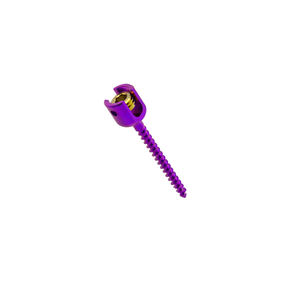
Titanium Monoaxial Pedicle Screw 5.5/6.0mm Spinal Fixation System
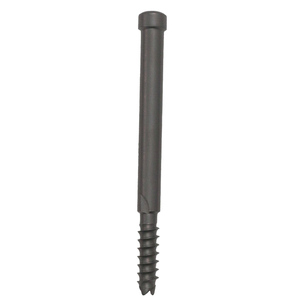
Proximal Femoral Nail (P.F.N) Lag Screw 8.0mm System for Femoral Fractures
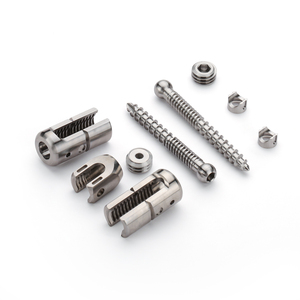
JZC Titanium Posterior Thoracolumbar Nailing & Rod Fixation System
Strategic Overview: Orthopedic Procurement Landscape in Kazakhstan & Central Asia
The Republic of Kazakhstan represents the primary healthcare economic hub in Central Asia, undergoing rapid modernization under the National Health Development Plan and the Mandatory Social Health Insurance (FSMS) framework. As public and private clinical institutions in Almaty, Astana, Shymkent, and Karaganda expand their surgical capacities, the demand for high-grade, bio-compatible orthopedic implants has reached an unprecedented peak. However, navigating the procurement matrix in Kazakhstan requires a sophisticated understanding of both international manufacturing certifications and Eurasian Economic Union (EAEU) regulatory compliance.
For medical device distributors and tender procurement managers operating within Kazakhstan, partnering with established manufacturers capable of delivering CE Certified orthopedic implants under ISO 13485 quality management systems is paramount. Public hospital tenders managed through SK-Pharmacy (СK-Фармация) strictly evaluate technical dossiers, material origins, fatigue testing reports, and cleanroom packaging integrity to ensure patient safety and long-term joint/spine reconstruction efficacy.
Regulatory Information Gain: Under EAEU Decision No. 46 and Kazakhstan Ministry of Healthcare guidelines (National Center for Expertise of Medicines and Medical Devices - NCEE), CE marking (EU MDR 2017/745 or MDD 93/42/EEC) acts as a primary benchmark for expedited technical expert evaluations, reducing market entry friction for local Kazakh distributors.
The Biomechanical Imperative in Trauma and Spinal Reconstruction
Orthopedic devices are subject to extreme mechanical demands inside the human body. Spinal pedicle screw systems, intramedullary nails, anatomical locking plates, and total hip stem prostheses experience complex cyclic fatigue loading, torsional strain, and corrosive physiological environments. Premium manufacturers utilize certified titanium alloys—specifically Ti-6Al-4V ELI (Extra Low Interstitial, ASTM F136)—and cobalt-chromium-molybdenum (CoCrMo ASTM F1537) to prevent micro-fretting, stress corrosion cracking, and premature implant loosening.
Future Sourcing & Technology Development Trends in Kazakhstan
Analytical insight into how orthopedic surgical preferences, material shifts, and procurement methodologies are evolving across Central Asian healthcare networks.
1. Modulus Matching & Biomaterial Shift
Kazakh surgeon preferences are rapidly transitioning from rigid 316L Stainless Steel to Titanium Grade 5 ELI and PEEK (Polyetheretherketone). PEEK cages and lower-modulus titanium locking plates reduce the "stress shielding" effect, promoting accelerated bone callus formation and natural osteointegration.
2. MIS (Minimally Invasive Surgery) Adoption
Spinal procedures in Almaty and Astana are pivoting toward percutaneous pedicle screw placement and cannulated intramedullary nailing. Distributors must source complete systems featuring radiolucent aiming guides and extended sleeve instruments to support reduced incision sizes and shorter hospital stays.
3. Turnkey OEM/ODM & Dual-Language Kits
Public tenders increasingly demand localized branding, customized laser markings, and bilingual (Kazakh/Russian) Instructions for Use (IFU). Leading manufacturers provide complete turnkey OEM support—delivering fully validated cleanroom blister packs ready for immediate tender filing.
Biomedical Material Science & Metallurgical Standard Matrix
A rigorous comparative review of medical-grade alloys and engineering polymers specified in our CE certified orthopedic production facilities.
| Implant Material | International Standard | Young's Modulus (GPa) | Tensile Strength (MPa) | Primary Clinical Application | Biomechanical Benefit |
|---|---|---|---|---|---|
| Ti-6Al-4V ELI | ASTM F136 / ISO 5832-3 | 110 GPa | ≥ 860 MPa | Pedicle Screws, PFN Nails, Locking Plates | High fatigue strength, minimal stress shielding, excellent MRI compatibility. |
| CP Titanium (Grades 2-4) | ASTM F67 / ISO 5832-2 | 105 GPa | 345 - 680 MPa | CMF Mini-Plates, Cranial Mesh | Superior ductility allowing easy intraoperative plate contouring. |
| Stainless Steel 316L | ASTM F138 / ISO 5832-1 | 200 GPa | ≥ 860 MPa | Temporary Trauma Plates, Schanz Pins | High initial rigidity, economical cost structure for acute trauma cases. |
| CoCrMo Alloy | ASTM F1537 / ISO 5832-12 | 220 GPa | ≥ 960 MPa | Femoral Heads, Knee Articulating Joints | Ultra-low wear rate, extreme hardness, mirror-polished bearing surface. |
| PEEK Optima | ASTM F2026 | 3.6 GPa | 170 MPa | PLIF / TLIF Interbody Fusion Cages | Radiolucent (visible fusion zone), elastic modulus closely matches human cortical bone. |
| UHMWPE / XLPE | ASTM F648 / ISO 5834-2 | 1.0 GPa | ≥ 40 MPa | Acetabular Liners, Tibial Bearings | High impact absorption, cross-linked wear resistance against metal femoral heads. |
6-Stage Precision Quality Assurance & OEM Ecosystem
From raw titanium bar stock to sterile cleanroom packaging, explore how our engineering workflow eliminates surgical risk and instrument mismatch.
1. Spectro Raw Material Testing
100% incoming inspection of raw titanium rods and stainless steel bars via optical emission spectrometry to confirm chemical composition and grain size integrity.
2. Swiss 5-Axis CNC Machining
State-of-the-art Citizen and Star Swiss-type multi-axis CNC machines produce intricate screw threads, cannulated cores, and locking plate bevels within sub-5-micron tolerances.
3. Anodization & HA Surface Finish
Type II titanium anodization for vibrant color-coding by diameter, combined with robotic plasma-sprayed Hydroxyapatite (HA) coating for optimal proximal stem osseointegration.
4. Optical CMM Inspection
Automated Coordinate Measuring Machines (CMM) and video measuring systems audit thread pitch, head recess geometry, and plate contour accuracy against CAD models.
5. Class 100,000 Cleanroom Packaging
Ultrasonic multi-stage washing with reverse-osmosis water followed by double-peel Tyvek packaging inside an ISO Class 7 cleanroom environment.
6. Laser UDI & Traceability
Unique Device Identification (UDI) fiber laser etching on every implant, linking SKU, lot number, and material heat treatment batch directly to the mill test certificate.
Complete Orthopedic System Architecture for Kazakh Health Institutions
A primary bottleneck for orthopedic importers in Central Asia is sourcing fragmented components from multiple unverified factories. Incompatible screw driver recesses, mismatched plate radii, and varying thread tolerances increase operative time and surgical complications. Our manufacturing matrix provides complete, fully integrated systems—combining anatomical implants, dedicated surgical instruments, and autoclavable sterilization trays.
1. Spinal Reconstruction & Fusion Portfolios
Our thoracolumbar pedicle screw system (5.5mm and 6.0mm series) utilizes a low-profile polyaxial and monoaxial head design with a friction-fit seat. Featuring a double-lead self-tapping thread, insertion torque is reduced by 30% while retaining superior pullout resistance in osteoporotic bone. Paired with PEEK cervical and lumbar interbody cages, surgeons achieve rigid 360-degree segmental stabilization.
2. Anatomic Trauma & Intramedullary Nailing
Our trauma solutions encompass pre-contoured locking plates for upper and lower extremities. Combi-holes allow surgeon flexibility: dynamic compression for fracture reduction or rigid locking for peri-articular stabilization. For long-bone shaft fractures, our femoral, tibial, and humeral intramedullary nails feature cannulated designs compatible with reamed or unreamed surgical protocols, guided by precision radiolucent carbon-fiber aiming arms.
3. Joint Arthroplasty & Reconstructive Hip Stems
The 12/14 taper hip prosthesis stem incorporates a dual-taper design that optimizes proximal load transfer, reducing thigh pain and stress shielding. Manufactured from high-fatigue forged Ti-6Al-4V ELI, the stem's proximal plasma-sprayed Hydroxyapatite (HA) layer induces rapid biological fixation, ensuring long-term survival rates exceeding 98% at 10-year follow-ups.
Frequently Asked Questions by Kazakh Importers & Procurement Teams
Detailed answers regarding EAEU registration, CE certification validation, OEM contracts, and logistics to Kazakhstan.
How do CE certified orthopedic implants support registration with NCEE in Kazakhstan?
▼
CE Certification under EU MDR 2017/745 or MDD 93/42/EEC demonstrates that the implants have undergone full clinical evaluation, biocompatibility testing (ISO 10993 series), and mechanical fatigue testing (ASTM F1717 for spine, ASTM F382 for plates). When registering medical devices with the National Center for Expertise of Medicines and Medical Devices (NCEE) under the Ministry of Healthcare of Kazakhstan, a valid CE mark significantly simplifies technical dossier audits and reduces expert evaluation timelines.
What documentation is supplied to support public hospital tender submissions in Kazakhstan?
▼
We supply comprehensive technical packages tailored for SK-Pharmacy and municipal hospital tenders. This includes ISO 13485 certificates, CE Certificates of Conformity, raw material mill test certificates (spectrometric analysis), gamma/EO sterilization validation reports, mechanical fatigue test data, and bilingual (Russian/English) Instructions for Use (IFU).
Can implants be customized under Private Label / OEM agreements for local Kazakh brands?
▼
Yes. We offer extensive OEM/ODM capabilities. Importers can specify custom laser markings (brand logo, catalog SKU, UDI barcodes), customized color anodization for implants and instrument handles, and specialized sterile pouch packaging featuring customized Kazakh/Russian regulatory text and local distributor information.
Why is Titanium Grade 5 ELI (ASTM F136) preferred over standard Titanium Grade 5?
▼
Ti-6Al-4V ELI (Extra Low Interstitial) contains reduced levels of oxygen, nitrogen, carbon, and iron. This structural purity yields significantly higher fracture toughness and fatigue resistance compared to standard Grade 5 titanium, making it essential for load-bearing orthopedic implants like pedicle screws, intramedullary nails, and hip stems that endure millions of cyclic loads inside the human body.
How is instrument-implant compatibility guaranteed across surgical sets?
▼
Because we manufacture both implants and matching surgical instrument sets in-house using master CAD/CAM files and 100% optical CMM verification, driver recess tolerances (Torx/Hex), thread engagement, and drill guide alignments are perfectly synchronized. This eliminates intraoperative driver slippage or misaligned screw insertion.
What are the typical lead times and shipping logistics to Almaty or Astana?
▼
Standard catalog products ship within 15 to 25 business days. Custom OEM orders requiring specialized laser etching or cleanroom packaging take approximately 30 to 40 days. We coordinate air freight directly to Almaty International Airport (ALA) or Astana International Airport (NQZ), complete with customs export documentation and temperature-controlled packaging if required.
Elevate Your Orthopedic Supply Chain in Kazakhstan
Connect directly with our biomedical engineering and export department to request product catalogs, factory audit reports, sample kits, or confidential OEM price quotations.