The healthcare landscape in the Philippines is undergoing a profound structural transformation driven by Department of Health (DOH) hospital modernization programs, expanding PhilHealth Z-Benefit coverage for complex orthopedic trauma and joint replacements, and a rising surge in traffic-related orthopedic emergency cases across Luzon, Visayas, and Mindanao. To address the demand for high-grade yet cost-viable medical devices, medical device importers and hospital procurement directors across Manila, Cebu, and Davao are establishing direct OEM/ODM strategic partnerships with elite Chinese orthopedic manufacturers.
China's medical manufacturing ecosystem—specifically specialized precision clusters in Changzhou, Shanghai, and Zhejiang—has evolved into a global powerhouse for Class III medical implants. Utilizing Swiss-type multi-axis CNC turning, 5-axis DMG MORI milling centers, and German-imported laser marking systems, certified Chinese suppliers produce titanium locking plates, intramedullary nails, spinal pedicle screws, and PEEK interbody cages that meet and exceed international metallurgical standards (ASTM F136 Ti-6Al-4V ELI, ASTM F67 CP Titanium, and ASTM F2026 PEEK).
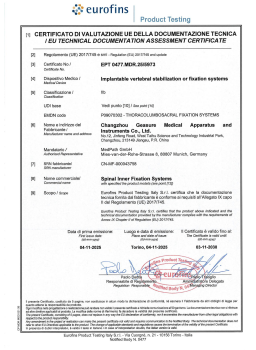
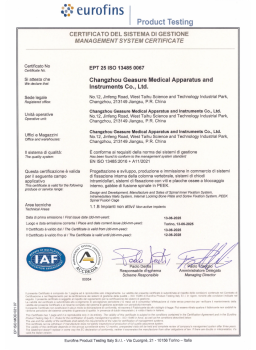
Regulatory Compliance Notice for Philippines Importers: All orthopedic implants supplied to the Philippines market require Center for Device Regulation, Radiation Health, and Research (CDRRHR) under the Philippine FDA registration. Our export technical documentation includes complete Common Submission Dossier Template (CSDT) packages, ISO 13485:2016 quality management system certificates, Certificate of Free Sale (CFS), and validated sterilization dossier reports for expedited CMDN/CPR issuance.
By bypassing third-party European trading intermediaries, Philippine healthcare distributors achieve up to 45% reduction in landed procurement costs without compromising clinical performance, fatigue strength, or anatomical fit. This cost efficiency allows private hospitals and public tertiary medical centers (such as PGH, NCMH, and regional medical centers) to extend access to advanced internal fixation surgery to broader socio-economic segments.
2. Future Procurement & Technological Trends in the Philippine Orthopedic Market
Understanding shifting clinical requirements and procurement dynamics is vital for surgical device distributors seeking sustainable market leadership in Southeast Asia. Based on multi-year tender analysis and clinical feedback from the Philippine Orthopaedic Association (POA), several key trends are shaping the future of orthopedic implant purchasing:
Trend A: Rapid Shift from Standard Plating to Anatomical Locking Compression Plate (LCP) Systems
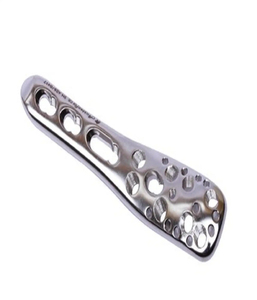
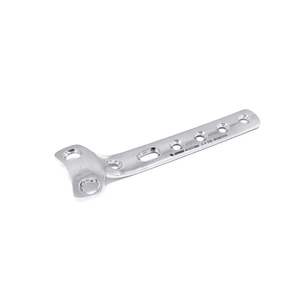
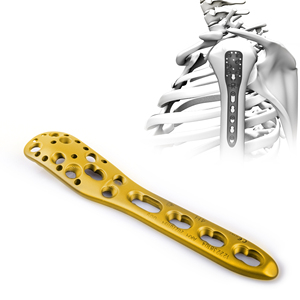
Conventional non-locking trauma plates require extensive manual intraoperative bending, which increases surgical time and risks bone periosteal blood supply impairment. The Philippine market is experiencing an accelerated transition toward anatomical LCP systems. Pre-contoured designs tailored to specific bone segments—such as the LCP 3.5mm Proximal Humeral PHILOS Plate, Distal Radius Volar Locking Plate, and Distal Femoral LCP—minimize operative time and deliver superior mechanical stability in osteoporotic bone fractures.
Trend B: Expansion of Minimally Invasive Spine Surgery (MISS) & Cannulated Pedicle Screws
Spinal trauma and degenerative lumbar disorders account for a growing fraction of surgical cases in major Philippine urban centers. The market demand is moving away from open thoracolumbar reconstruction toward Minimally Invasive Spine Fixation systems. High-end COX 6.0 Screw & Rod Systems featuring cannulated pedicle screws, extension sleeves, and low-profile cross-links enable surgeons to perform percutaneous fixation under fluoroscopic guidance, resulting in reduced intraoperative blood loss and faster patient rehabilitation.
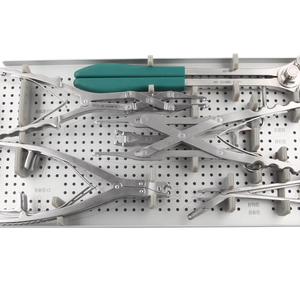
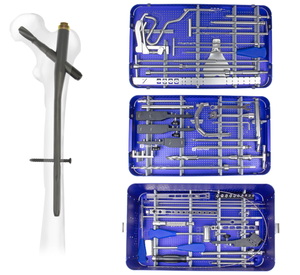
Distributors no longer evaluate suppliers solely on individual implant unit costs. The defining competitive factor in hospital tenders is the availability of matching, high-durability surgical instrument sets packaged in heavy-duty, autoclavable aluminum sterilization boxes. Surgical teams require color-coded drill bits, depth gauges, torque-limiting screwdrivers, and precision bending irons that integrate seamlessly with implant threads, preventing intraoperative driver stripping or mechanical jamming.
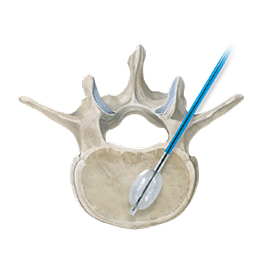
Balloon Kyphoplasty (PKP) Systems
Minimally invasive solution for osteoporotic vertebral compression fractures. Complete kits include high-pressure balloon catheters, inflation devices, bone access needles, and PMMA cement delivery systems.
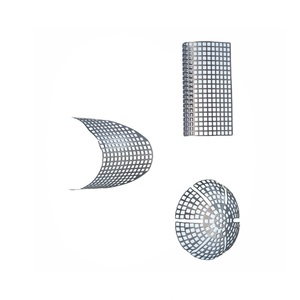
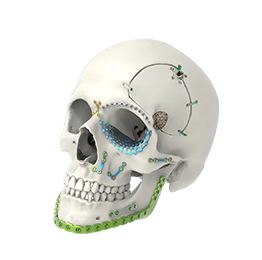
Ultra-low profile commercially pure (CP) titanium micro and mini plates (1.5mm, 2.0mm, 2.4mm) with flexible titanium mesh for craniomaxillofacial reconstruction and facial trauma repair.
The biomechanical success of orthopedic trauma and spine implants depends fundamentally on raw material purity, microstructure integrity, surface treatment, and corrosion resistance. As a primary OEM manufacturer supplying global medical brands, our manufacturing processes strictly enforce international ASTM/ISO standards across all implant material categories:
Superior Tribological Wear Resistance Mirror Polished Roughness Ra < 0.02 μm
Femoral Heads, Total Knee Arthroplasty (TKA) Articulating Surfaces
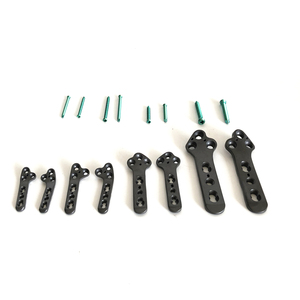
To eliminate post-operative titanium hypersensitivity and fatigue micro-cracking, all titanium implants undergo electrochemical Type II Anodization. This surface modification forms a dense titanium oxide passivation layer, improving wear resistance, eliminating micro-burrs, and color-coding plate sizes (e.g., gold for 3.5mm systems, blue for 4.5mm/5.0mm systems) for instant intraoperative identification by scrub nurses.
4. Manufacturer OEM/ODM Capabilities & Factory Quality Control
Selecting the right China orthopedic manufacturer requires rigorous evaluation of engineering depth, cleanroom standards, and lot-level batch traceability. Our facility operates with zero compromise on precision:
Swiss-Type Multi-Axis Lathes & Milling
Sub-micron tolerances on pedicle screw threads, cannulated nail conduits, and self-tapping screw flutes.
ISO Class 7 Cleanroom & Sterile Barrier
Validated ultrasonic cleaning, Tyvek double-blister packaging, and EO/Gamma sterilization options.
100% Laser Etching Lot Traceability
Every individual plate, screw, nail, and rod is permanently micro-laser etched with unique SKU numbers, dimensional specs, and batch production numbers. In accordance with ISO 13485 regulatory mandates, this trace code links directly to the raw material mill test certificate, CNC machine operator log, anodization batch, and CMM (Coordinate Measuring Machine) inspection report.
5. Frequently Asked Questions (FAQ) for Philippines Medical Procurement
1. What documentation do you provide to support Philippine FDA CDRRHR CPR registration?
+
We provide a complete regulatory assistance dossier formatted according to the ASEAN Common Submission Dossier Template (CSDT). This includes ISO 13485:2016 certificates, CE Mark certificates of conformity, Certificate of Free Sale (CFS) authenticated by the embassy, raw material mill test reports (ASTM F136/F138), biocompatibility testing reports (ISO 10993 series), shelf-life validation data, and English Instructions for Use (IFU).
2. Can we order customized OEM private-label locking plates and instrument sets?
+
Yes. We specialize in private-label OEM manufacturing for medical brands and regional distributors. We can laser-mark your company brand logo, catalog reference numbers, and custom lot codes directly on the implants and surgical instruments. Furthermore, custom aluminum sterilization trays can be color-anodized and laser-engraved with your company branding.
3. What is the typical lead time for shipping orthopedic shipments to ports in Manila or Cebu?
+
For standard catalog inventory (such as PFNA nails, PHILOS plates, and pedicle screw sets), dispatch from our factory takes 7 to 14 days. Air freight shipments to Manila (MNL) or Cebu (CEB) take approximately 3 to 5 business days. Sea freight shipping to Manila South/North Harbor takes roughly 10 to 14 days, providing a fast supply chain loop for restocking hospital consignment inventories.
4. Are your surgical instrument sets compatible with standard international power tools?
+
Absoltely. Our surgical instruments feature standardized AO quick-coupling connectors, Stryker-style, and Hudson connections. Drills, taps, screwdrivers, and reamers connect seamlessly to major surgical power tool systems used across Philippine hospital operating rooms.
5. How do you guarantee zero thread mismatch between screws and locking plate holes?
+
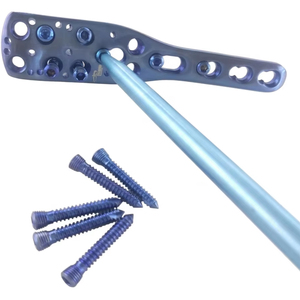
We utilize high-precision master gauge inspection for every batch. Locking thread profiles are optical-profile checked using keyence digital measurement systems. This guarantees that 3.5mm and 5.0mm locking screws thread smoothly into variable-angle or fixed-angle plate holes without cross-threading or mechanical seizing during surgery.
6. Can distributors request physical product samples for hospital clinical evaluation?
+
Yes. Qualified medical distributors and hospital procurement committees in the Philippines can request sample demonstration kits (non-sterile evaluation plates and screws) to test surface finish, screw-driver fit, and tray ergonomics prior to committing to bulk tender orders.
Partner with China's Premier Orthopedic OEM Manufacturer
Expand your Philippine medical distribution catalog with certified, high-margin trauma, spine, and joint implant systems. Speak directly with our international engineering team today.