Featured Surgical Implants & Diagnostic Solutions
Explore our medical-grade titanium locking plates, intramedullary nails, 3D bioprinting services, and foot scanning devices optimized for Saudi Arabian hospital tenders and distributor supply chains.
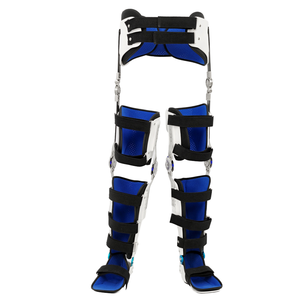
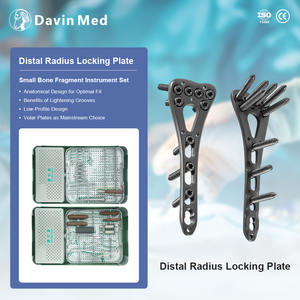
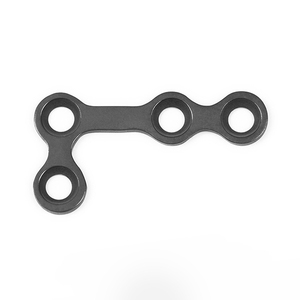
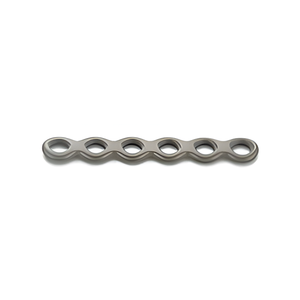
Orthopedic Implant Manufacturing Landscape for Saudi Arabia & Middle East
The healthcare infrastructure in the Kingdom of Saudi Arabia (KSA) is undergoing an unprecedented structural transformation driven by Saudi Vision 2030 and the privatization initiatives overseen by the Ministry of Health (MOH). Central to this evolution is the rising demand for trauma fixation systems, spinal reconstruction hardware, joint replacement prostheses, and sports medicine devices across major medical hubs such as Riyadh, Jeddah, Dammam, and Makkah. For B2B procurement officers, surgical hospital groups, and medical equipment distributors, securing dependable manufacturing partners in China has become a core strategic priority.
As China’s biomedical manufacturing infrastructure has matured over the past two decades, leading orthopedic production plants have transitioned from cost-driven manufacturing to advanced precision biomechanical engineering. Utilizing imported medical-grade titanium bar stock (Ti-6Al-4V ELI under ASTM F136 specifications), ultra-high-molecular-weight polyethylene (UHMWPE under ASTM F648), and polyether ether ketone (PEEK under ASTM F2026), Chinese OEM/ODM factories deliver regulatory-compliant devices that match or exceed Western performance benchmarks while providing substantial margin advantages for Saudi distributors entering national tenders managed by NUPCO (National Unified Procurement Company).
Biomechanical Compliance & Material Standards for KSA Tenders
To successfully navigate the regulatory evaluation conducted by the Saudi Food and Drug Authority (SFDA) via the Global Medical Device Nomenclature (GMDN) and Medical Device National Registry (MDNR), orthopedic implants must fulfill stringent metallurgical, mechanical fatigue, and biocompatibility criteria. China’s premier orthopedic manufacturing facilities operate under validated ISO 13485:2016 quality management systems and maintain cleanroom environments (ISO Class 7 and Class 8) to prevent bacterial endotoxin contamination prior to terminal packaging.
| Implant Material Category | Standard Specification | Biomechanical Characteristics | Saudi Tender Clinical Application |
|---|---|---|---|
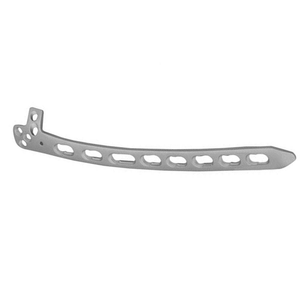
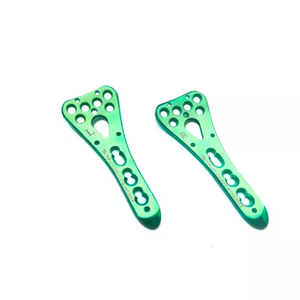
| Ti-6Al-4V ELI (Grade 5) | ASTM F136 / ISO 5832-3 | High fatigue strength, low modulus reducing stress shielding, optimal osseointegration. | Volar distal radius plates, pedicle screw systems, intramedullary nails. |
| Commercially Pure Titanium | ASTM F67 / ISO 5832-2 | Superior intraoperative ductility allowing precise anatomical plate contouring. | CMF mini/micro plates, cranial mesh, small fragment trauma reconstruction. |
| Stainless Steel 316L | ASTM F138 / ISO 5832-1 | High tensile rigidity, economical cost structure, proven electrochemical corrosion resistance. | Temporary trauma fixation, Schanz pins, external fixator frames, veterinary implants. |
| PEEK Optima | ASTM F2026 | Radiolucent (CT/MRI compatible), elastic modulus matching human cancellous bone. | TLIF/PLIF/ACDF interbody spine cages, suture anchors in sports medicine. |
| CoCrMo Alloy | ASTM F1537 / ISO 5832-12 | Extreme hardness, low tribological wear rate when articulating against UHMWPE. | Total knee arthroplasty femoral components, bipolar hip articulation heads. |
Future Trends in Saudi Arabian Orthopedic Procurement
Key technological shifts reshaping how Saudi hospitals and distributors select OEM implant manufacturers in China.
Additive Manufacturing & 3D Bioprinting
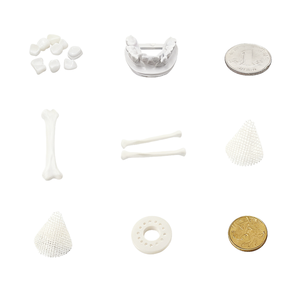
The transition from subtractive CNC milling to Electron Beam Melting (EBM) and Direct Metal Laser Sintering (DMLS) allows the creation of trabecular porous titanium surfaces. These porous structures mimic natural bone morphology, achieving accelerated bony ingrowth without surface coating delamination risks.
Patient-Specific Implants (PSI) & Foot Digitalization
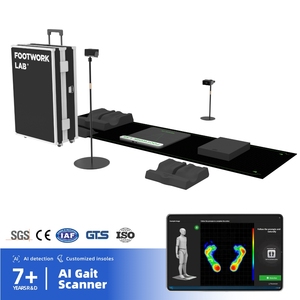
Integrating high-resolution USB podiatry foot scanners and 3D CT gait reconstruction algorithms enables custom orthotics and anatomical plates tailored to patient anatomy. Chinese contract manufacturers are equipping Saudi partners with rapid cloud CAD software integrations for turnkey PSI delivery within 7-10 business days.
UDI Laser Traceability & SFDA GHAD Compliance
Under Saudi Food and Drug Authority regulations, medical device imports must feature Unique Device Identification (UDI) laser etched directly onto the implant surface and outer sterile packaging. Complete lot records link every serial number to raw material heat treatments and CMM inspection logs.
Why Leading Saudi Distributors Partner With Us
Eliminate supply chain friction, ensure immediate instrument-to-implant fit, and secure tender winning pricing.
Turnkey System Delivery
We supply complete procedural trays containing anatomically pre-contoured plates, color-coded locking screws, precision drill bits, and sterilizable aluminium containers so surgical teams experience zero intraoperative mismatches.
STED Dossier Support
Our regulatory affairs specialists generate complete Summary Technical Documentation (STED) files including ISO 10993 biocompatibility testing, mechanical fatigue reports (ASTM F382/F543), and sterilization validation for smooth SFDA approval.
OEM Laser & Custom Packaging
Establish your own brand footprint across Saudi Arabia with custom private-label laser marking, localized Arabic/English outer box printing, dual pouch vacuum sealing, and custom tray layout engineering.
Frequently Asked Questions by Saudi Arabian Buyers
Clear answers addressing technical specifications, regulatory pathways, minimum order quantities, and delivery schedules.
Partner with China's Premier Orthopedic Implant Factory
Whether you are expanding your distributor portfolio for NUPCO tenders, developing a private-label implant line, or procuring specialized foot scanning hardware in Saudi Arabia, our engineering team is ready to assist.