Featured Orthopedic Implants & Surgical Toolkits
Direct-from-factory orthopedic solutions engineered with Swiss-lathe precision micro-tolerances, full ASTM raw material certification, and validated sterile/non-sterile packaging.
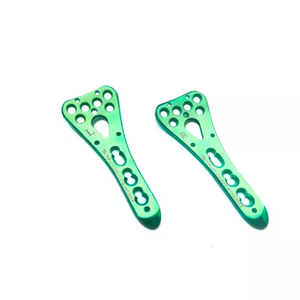
Variable Angle Volar Titanium Plate System
Anatomically contoured distal radius locking plate crafted from titanium alloy (ASTM F136). Features multi-directional locking holes enabling up to 15° cone angle screw trajectory.
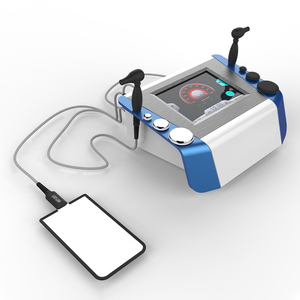
Post-Op Orthotic Physiotherapy Rehabilitation Suite
Advanced non-invasive post-surgical motion therapy equipment, integrated leg scanning diagnostics, and multi-channel electrode stimulation for accelerated joint recovery.
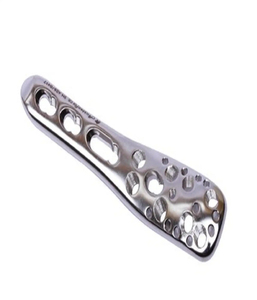
PHILOS Plate 3.5 Instrument & Implant Surgical Set
Complete proximal humerus internal fixation set including 3.5mm anatomical locking plates, color-coded drill sleeves, depth gauges, and autoclavable tray.
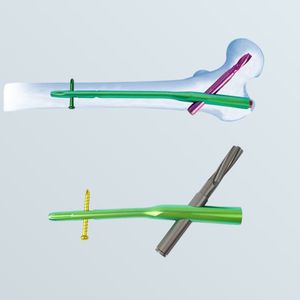
Premium PFNA Intramedullary Femoral Nail System
Proximal Femoral Nail Antirotation system for intertrochanteric fractures. Utilizes helical blade insertion to compact bone stock and maximize osteoporotic fixation.
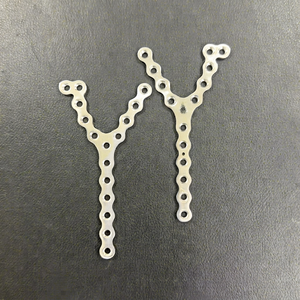
3.5mm Y-Reconstruction Surgical Stainless Steel Plate
Precision-milled 6-hole left/right anatomical reconstructive plates built from 316L medical-grade stainless steel (ASTM F138). Class II regulatory certified.
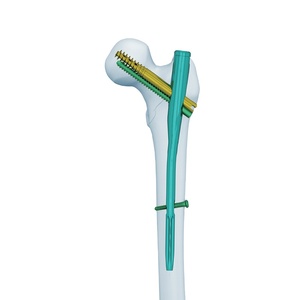
Class III Hospital Titanium Fixation System (Model 1100-1)
Top-selling hospital-grade spinal and structural titanium alloy trauma system. Engineered with low-profile construct geometry to minimize soft-tissue impingement.
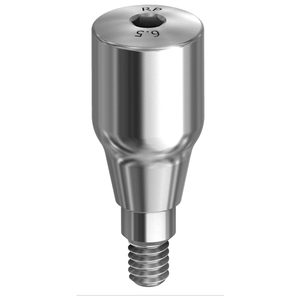
Straight & Angled Prosthetic Abutment (0°/15°/25°)
Micro-machined titanium abutment with conical Morse taper internal hex connection, delivering zero micro-gap stability for maxillofacial and dental reconstruction.
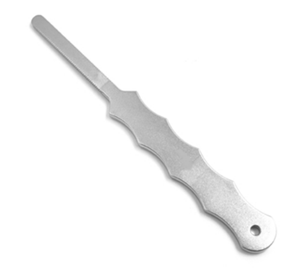
Veterinary Multi-Faced Flat Bone Rasp & File
Specialized pet surgical instrument forged from high-durability German-standard stainless steel, featuring cross-cut teeth for efficient intraoperative osteotomy contouring.
The Strategic Landscape of Sourcing Affordable Orthopedic Implants from China
An executive procurement breakdown detailing cost mechanics, quality controls, metallurgy standards, and direct factory advantages.
In the global healthcare supply chain, orthopedic trauma implants, spinal fixation systems, joint prostheses, and maxillofacial plates represent high-capital expense categories for hospital networks and medical device distributors. Historically, Western tier-1 brands maintained near-monopolistic margins through bundled commercial structures. However, over the past decade, the rapid industrialization of China's medical device manufacturing sector has fundamentally reshaped B2B procurement dynamics.
Procuring wholesale orthopedic implants from established Chinese original equipment manufacturers (OEMs) no longer requires choosing between financial viability and clinical safety. China’s top-tier medical device manufacturers operate state-of-the-art 5-axis Swiss-type CNC machining centers, automated electrochemical anodization lines, and ISO Class 7 cleanrooms that match or exceed European and North American production infrastructure. By eliminating intermediary distributor markups, global healthcare buyers can achieve 40% to 65% cost reductions while securing fully certified, biocompatible implant systems.
Information Gain Key Takeaway: Quality vs. Cost Misconceptions
"Affordability" in Chinese orthopedic manufacturing is driven by localized raw material supply chains (such as certified domestic titanium sponge refining), highly optimized industrial clusters in Jiangsu and Zhejiang provinces, and scaled automation—not by compromising material purity or tolerance verification protocols.
Raw Material Metallurgy & International Standard Compliance
Medical device regulatory agencies worldwide—including the US FDA, European EMA (under MDR 2017/745), and NMPA—demand strict compliance with chemical, mechanical, and metallurgical standards. Qualified Chinese implant suppliers utilize certified implant-grade raw materials backed by mill test certificates (MTC):
- Ti-6Al-4V ELI (ASTM F136 / ISO 5832-3): Extra-low interstitial titanium alloy used in load-bearing trauma plates, pedicle screws, and intramedullary nails. Offers high fatigue strength, superior fracture toughness, and optimal modulus of elasticity relative to cortical bone.
- Commercially Pure Titanium (ASTM F67 / ISO 5832-2): CP Grades 1 through 4 utilized predominantly in CMF (Craniomaxillofacial) mini-plates, mesh systems, and low-profile reconstructive implants where high ductility allows precise intraoperative bending.
- Stainless Steel 316L (ASTM F138 / ISO 5832-1): Vacuum-melted implant stainless steel treated with nitric/citric acid passivation to establish a corrosion-resistant chromium oxide passive layer. Ideal for temporary trauma fixation and external fixator pins.
- Implant-Grade PEEK (ASTM F2026): Polyetheretherketone thermoplastic used in spinal interbody fusion cages (PLIF, TLIF, ALIF). Radiotranslucent properties permit post-operative radiological assessment of bone fusion mass without CT/MRI streak artifacts.
| Evaluation Parameter | Western Tier-1 OEM Brands | Direct China Factory (Orthomanufacturer) | Strategic Impact on Buyer ROI |
|---|---|---|---|
| Direct Unit Price Point | High ($350 - $1,200 per plate) | Affordable ($45 - $160 per plate) | 60%–75% reduction in landed inventory acquisition cost |
| Raw Material Specification | ASTM F136 Ti / PEEK | ASTM F136 Ti / PEEK (Identical) | Zero compromise on biological safety or structural integrity |
| Machining Tolerance Control | ±0.005 mm (5-axis CNC) | ±0.003 mm to ±0.008 mm (Swiss CNC) | Identical surgical driver fit and cross-thread prevention |
| OEM / Private-Label Support | Extremely restricted / High MOQs | Full Turnkey OEM / Custom Laser Marking | Enables distributors to build proprietary brand equity |
| Regulatory Dossier Support | Proprietary / Locked files | CE, ISO 13485, Full Technical Files | Accelerates localized Ministry of Health product registration |
Key Technological Trends Shaping Orthopedic Manufacturing
How next-generation materials, 3D printing, smart bio-surfaces, and automated quality control are defining the next decade of orthopedic implants.
1. Additive Manufacturing & Trabecular Titanium
Laser Powder Bed Fusion (LPBF) 3D printing allows factories to produce porous, trabecular titanium structures that mimic human cancellous bone architecture (60-70% porosity). This eliminates traditional plasma-spray coating delamination risks and dramatically speeds up early osseointegration.
2. Bioactive & Antimicrobial Surface Modification
Implant failure stemming from post-operative surgical site infections (SSI) is driving the adoption of micro-arc oxidation (MAO), silver-ion dopant surfaces, and nanostructured hydroxyapatite (HA) coatings. These advanced treatments promote osteoblast proliferation while actively inhibiting bacterial biofilm formation.
3. Carbon-Fiber Reinforced PEEK (CF/PEEK)
While unreinforced PEEK matches the elastic modulus of cancellous bone, carbon-fiber reinforced PEEK (CF/PEEK) achieves structural rigidity comparable to cortical bone (18-20 GPa) while remaining radiolucent. This allows oncological orthopedic surgeons to inspect tumor sites without metal artifacts on imaging.
4. Integrated System Engineering: Implants + Dedicated Toolkits
Modern clinical trends dictate that trauma locking plates and intramedullary nails cannot be sold as standalone items. Factories are developing matched, ergonomic, quick-coupling instrument sets—complete with custom silicon-molded aluminum sterilization cases—ensuring zero intraoperative driver slip or thread jamming.
5. Fully Automated CMM & Optical Quality Inspection
Leading Chinese factories are replacing manual caliper inspections with automated 3D Coordinate Measuring Machines (CMM) and high-speed optical vision sorters. Every single locking hole pitch, screw thread profile, and cannulation diameter is logged digitally to establish 100% batch quality verification.
Global Procurement Trends in the Orthopedic Implants Sector
How hospital purchasing groups, tender managers, and global distributors are modernizing their supply chain criteria to maximize gross margins and mitigate disruption.
The global market for orthopedic implants—spanning reconstructive joint devices, spinal hardware, trauma plates, and sports medicine anchors—is undergoing a major structural evolution. Healthcare expenditure constraints, aging demographic profiles, and public healthcare system tenders are compelling procurement directors to abandon high-margin traditional purchasing channels in favor of direct-factory OEM contracts.
1. Direct Factory Co-Development over Tier-2 Trading Houses
Historically, overseas importers engaged with third-party trading agencies in export hubs. Modern B2B buyers now systematically audit and bypass intermediaries to deal directly with certified manufacturing facilities. Working direct-with-factory provides critical operational benefits: immediate engineering revision feedback, shorter lead times for custom sizes, custom laser logo branding, and full direct access to raw material lot inspection certificates.
2. Mandatory Regulatory Dossier Completeness (CE MDR & ISO 13485)
Regulatory compliance has escalated from a basic checkpoint to a key strategic differentiator. In response to European MDR 2017/745 and tightening national regulations in Latin America, Southeast Asia, and the Middle East, importers prioritize Chinese factories that provide ready-to-file registration documentation. This includes Clinical Evaluation Reports (CER), biocompatibility testing according to ISO 10993, gamma-sterilization validation files, and packaging shelf-life stability data.
3. Supply Chain Resilience & Buffer Stock Management
Geopolitical shifts and freight volatility have highlighted the risks of just-in-time inventory practices. B2B buyers now request contract manufacturing partners to maintain safety stock of raw bar inventory (titanium rods, PEEK polymers) and pre-machined core implants. Factories offering flexible warehouse staging enable distributors to fulfill local hospital tender requests within days rather than months.
Why Partner with Orthomanufacturer Medical Co., Ltd
A premier Chinese manufacturing enterprise dedicated to engineering excellence, medical-grade quality systems, and turnkey OEM/ODM solutions for global orthopedic distributors.
Complete Portfolio Integration
We engineer and manufacture nine specialized product lines: Spine Fixation Systems, Intramedullary Nails, Locking Plate Systems, Sports Medicine Anchors, CMF Maxillofacial Fixation, Joint Prostheses, External Fixation Frames, Laparoscopic Tools, and Autoclavable Surgical Power Tools.
Rigorous ISO 13485 & CE Certification
Our manufacturing facilities operate under strict ISO 13485:2016 quality management systems. Every product batch undergoes rigorous dimensional, mechanical fatigue, and bio-burden testing, supporting seamless regulatory registration in your target country.
Turnkey OEM & Private-Label Services
We offer full OEM and private-label customization, including fiber-laser UDI part marking, customized anodization color-coding (gold, blue, magenta, green), bespoke tray design, and private-label box packaging tailored to your brand identity.
Common Questions from Global Healthcare Importers
In-depth technical and commercial answers to clarify regulatory, manufacturing, material, and logistics queries before placing bulk orders.
What specific raw material standards are used for your orthopedic plates, screws, and nails?
How does your factory ensure compatibility between orthopedic implants and surgical instruments?
What regulatory documents can you provide for local Ministry of Health (MoH) product registration?
Do you offer OEM private-label laser marking and custom packaging?
What is your sample evaluation policy for qualified hospital networks and distributors?
What are the standard production lead times and minimum order quantities (MOQ)?
How are titanium implants finished and surface treated?
Ready to Build Your Wholesale Orthopedic Supply Chain?
Partner directly with Orthomanufacturer Medical Co., Ltd. Request product catalogs, technical registration dossiers, or apply for sample evaluation kits today.