Precision Medical Orthopedic Implants & Instrument Kits
Explore our CE and ISO 13485 compliant OEM product lines engineered for global orthopedic distributors, surgical centers, and healthcare tenders.
Navigating China Wholesale Orthopedic Manufacturing: A Strategic Roadmap for Global Distributors
How modern medical device contract manufacturing, advanced 5-axis CNC machining, and rigorous Quality Management Systems (QMS) are redefining international OEM partnerships.
The global market for orthopedic devices is undergoing a structural evolution. Driven by an aging population, expanding surgical access in emerging economies, and rising demand for minimally invasive surgery (MIS), medical equipment distributors face double pressure: maintaining strict clinical efficacy while optimizing supply chain resilience and procurement costs. In this environment, identifying a reliable orthopedic implant manufacturer in China is no longer merely a low-cost purchasing tactic—it is a core strategic lever for business growth.
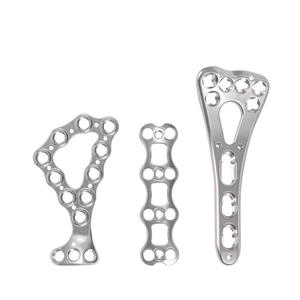
For distributors looking to become an orthopedic implant distributor or launch private-label product lines, direct contract manufacturing from verified China factories provides substantial commercial advantages. By eliminating intermediaries and sourcing directly from ISO 13485 certified facilities, global buyers can secure margins of 40% to 60%, expand their product range to include complex thoracolumbar spine systems, cannulated intramedullary nails, multi-axial locking plates, CMF mini-plates, and sports medicine anchors, while ensuring that all instruments and implants work in perfect mechanical harmony.
Why Leading Global Brands Partner with Orthomanufacturer Medical
Engineered for surgical precision, verified by material standards, and backed by turnkey regulatory support.
5-Axis CNC Precision Machining
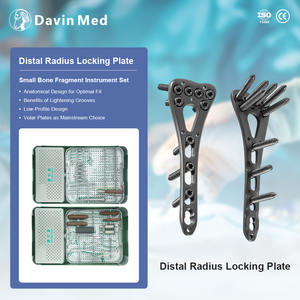
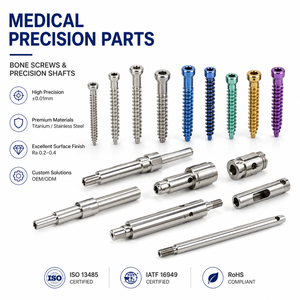
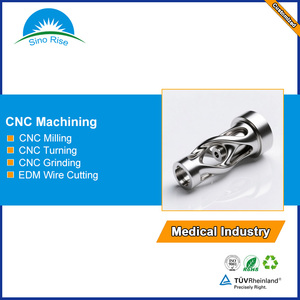
Our production floor features high-speed 5-axis CNC milling centers and Swiss-type automatic lathes capable of micron-level tolerances (±0.005mm). This ensures flawless thread pitch, smooth surface micro-textures, and tight anatomical contours across titanium pedicle screws, volar plates, and complex joint components.
Medical-Grade Material Assurance
We source exclusively certified implantable biomaterials, including Ti-6Al-4V ELI (ASTM F136), Commercially Pure Titanium (ASTM F67), 316L Implant Stainless Steel (ASTM F138), CoCrMo (ASTM F1537), and Implant-Grade PEEK (ASTM F2026). Every raw material bar stock undergoes chemical analysis and mechanical testing with full mill certificate backing.
Turnkey Regulatory Dossiers
Product registration is often the primary bottleneck for international distributors. We provide complete technical documentation, including raw material traceability reports, bio-compatibility testing, mechanical fatigue test data, validated cleaning protocols, and English/multilingual Instructions for Use (IFUs) to streamline local registration.
Orthopedic Biomaterial Specifications & Clinical Application Standards
A rigorous breakdown of medical alloys and polymers used across modern trauma, spine, joint, and CMF surgical procedures.
| Biomaterial Specification | International Standard | Mechanical & Physical Properties | Primary Clinical Applications | Distributor Advantage |
|---|---|---|---|---|
| Titanium Ti-6Al-4V ELI | ASTM F136 / ISO 5832-3 |
High fatigue strength, low modulus (110 GPa), bio-inert, non-magnetic | Pedicle Screws, Spine Rods, Intramedullary Nails, Volar Locking Plates | Reduces stress shielding, compatible with high-resolution MRI scanning |
| Commercially Pure Titanium | ASTM F67 / ISO 5832-2 |
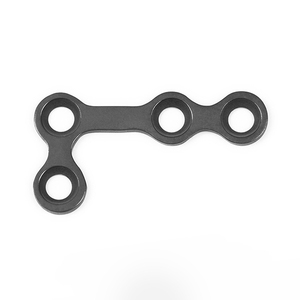
High ductility, excellent intraoperative contouring and malleability | CMF Micro/Mini Plates, Cranial Reconstruction Mesh, Small Fragment Plates | Easy intraoperative shaping without micro-fracturing plate bridges |
| Implant Stainless Steel 316L | ASTM F138 / ISO 5832-1 |
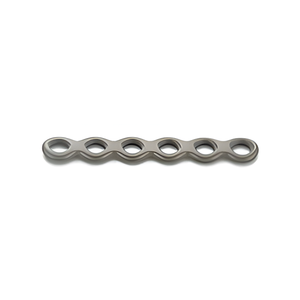
High tensile yield strength, superior rigidity, cost-effective processing | Trauma Compression Plates, Schanz Pins, External Fixation Frames | Ideal for high-load cost-sensitive tender markets and emergency trauma kits |
| Implant Grade PEEK | ASTM F2026 |
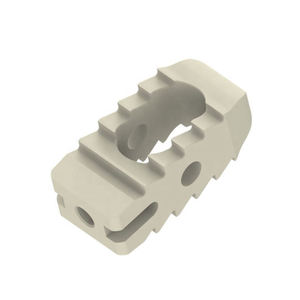
Radiolucent, bone-like elastic modulus (3.6 GPa), zero artifacting | Lumbar & Cervical Interbody Fusion Cages (PLIF, TLIF, ALIF, ACIF) | Allows clear post-operative X-ray visualization of bone graft fusion |
| CoCrMo Alloy | ASTM F1537 / ISO 5832-12 |
Ultra-high hardness, low wear rate, chemical stability under friction | Femoral Heads, Total Knee Arthroplasty (TKA) Articulating Surfaces | Maximizes prosthesis longevity in total joint replacement procedures |
| UHMWPE Polyethylene | ASTM F648 |
Low coefficient of friction, high impact resistance, tear toughness | Acetabular Liners, Knee Tibial Bearing Inserts | Smooth articulation surface minimizing wear debris and osteolysis risks |
Future Procurement Trends in the Orthopedic Implant Market (2025–2030)
Key technology shifts, purchasing dynamics, and regulatory evolutions reshaping how orthopedic distributors manage their supply chain.
1. Shift Towards Minimally Invasive Surgery (MIS) & Integrated Systems
Surgical trends are shifting rapidly away from open trauma surgery toward minimally invasive techniques. Modern surgical teams demand percutaneous pedicle screw systems, intramedullary nails with radio-translucent aiming arms, and pre-sterilized single-use procedure packs. Distributors that stock standalone implants without matching ergonomic surgical instrument trays risk falling behind. Partnering with a manufacturer that supplies complete system sets—implant, instrument, and container—guarantees surgeon satisfaction and cuts OR turnover time.
2. Universal Adoption of Laser Lot Traceability & UDI Compliance
Global regulatory bodies (FDA, EU MDR, NMPA) now enforce Unique Device Identification (UDI) code compliance down to the smallest locking screw. Every implant coming from modern Chinese manufacturing hubs is precision laser-etched with part numbers, batch codes, and dimensional markings. This 100% lot-traceability infrastructure safeguards distributors from recall liabilities and streamlines hospital inventory management.
3. Growth of Private-Label & OEM Brand Authorization
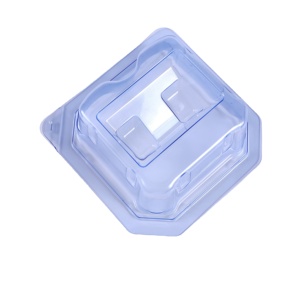
Instead of acting as regional agents for expensive Western multinational brands with squeezed margins, aggressive medical distributors are founding their own brand entities. By partnering with China OEM factories, distributors can laser-mark their brand logo onto plate surfaces, customize outer thermoforming blister packaging, and build long-term enterprise equity without paying heavy brand premiums.
4. Value-Based Procurement (VBP) & Cost-Containment Models
Healthcare budgets across Latin America, Southeast Asia, the Middle East, and Eastern Europe are increasingly governed by centralized tender systems and Value-Based Procurement (VBP). Hospital buyers require audited quality certificates alongside competitive per-unit pricing. Sourcing directly from verified China factories allows medical supply companies to win government tenders without compromising on product finishing, titanium grade, or clinical safety.
How to Become an Orthopedic Implant Distributor: Step-by-Step OEM Workflow
A transparent 5-phase execution model designed for seamless onboarding, regulatory compliance, and rapid market launch.
Market Analysis & Product Selection
Identify target surgical specialties (e.g., thoracolumbar spine, distal radius trauma, or veterinary fracture repair). Review local surgeon preferences, screw thread pitch options, and required plate profiles.
Technical Drawing & Sample Evaluation
Evaluate sample kits for surface finish, anodization color coding, thread feel, and driver engagement. Verify component compatibility between instruments and implants before placing volume orders.
Regulatory Dossier Preparation
Obtain ISO 13485 certificates, material mill certificates, bio-compatibility reports, and STED technical dossiers from our export team to submit for local Ministry of Health product registrations.
OEM Customization & Branding
Configure custom laser etching (logo, SKU, lot number), customized instruction manuals, and specialized ETO-sterilization thermoforming blister packaging suited to your target market regulations.
Controlled Production & Quality Inspection
Precision 5-axis CNC machining, ultrasonic cleaning, passivation, optical dimension sorting, and final CMM quality control verification under rigorous ISO 13485 QMS protocols.
Global Logistics & Ongoing Tender Support
Export-ready packaging, rapid air/sea freight logistics, buffer stock reserves for key SKUs, and continuous technical support for hospital tender presentations and clinical training workshops.
Frequently Asked Questions by Global Orthopedic Buyers
Clear, detailed answers regarding quality assurance, OEM branding, regulatory filings, and minimum order requirements.
What full orthopedic product categories does Orthomanufacturer Medical offer for wholesale export?
Can global distributors request OEM laser marking, private label logos, and custom packaging?
Which exact material grades and ASTM standards are used in your orthopedic implant manufacturing?
What documentation do you provide to support local product registration with Health Authorities?
How can new distributors evaluate sample quality before committing to volume procurement orders?
What are your standard manufacturing lead times and shipping options for overseas wholesale orders?
Partner with a Leading China Orthopedic Implant Manufacturer
Elevate your medical distribution portfolio with high-margin, CE & ISO certified orthopedic implants and matched surgical instruments. Request a technical quote or sample evaluation today.
Inquire Now