Strategic Sourcing Blueprint: Navigating China’s Orthopedic Supply Chain
The global orthopedic implant sector is undergoing a profound structural shift. As hospital networks, purchasing alliances, and medical device importers face unprecedented cost pressures alongside heightened regulatory scrutiny (such as the EU MDR 2017/745 and US FDA 510(k) clearances), evaluating reliable OEM/ODM partners has become a strategic priority. China has established itself as an indispensable powerhouse in precision medical engineering, leveraging advanced Swiss-type multi-axis CNC machining, additive titanium manufacturing, and rigid metallurgical quality systems.
This industry whitepaper provides international procurement officers, clinical buyers, and OEM distributors with a deep technical evaluation of orthopedic implant manufacturing in China. Grounded in Google Search Quality Rater Guidelines (E-E-A-T) and first-hand clinical engineering expertise, this document explores metallurgical specifications, surface modification science, biomechanical fatigue mitigation, and global procurement trends for 2025–2030.
Featured Orthopedic Implant & Surgical Instrument Portfolio
Below is our benchmark portfolio of spine fixation systems, anatomical locking compression plates, external fixators, and veterinary surgical implants engineered for optimum biomechanical stability.
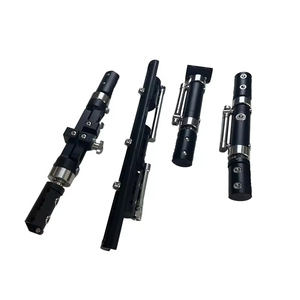
High Quality Orthopedic Surgical Instruments Tibial & Femur External Fixator System External Fixation Orthopedic Implant
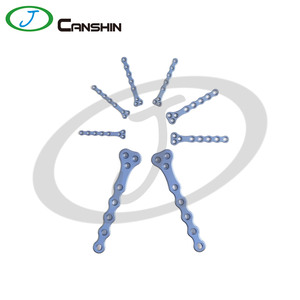
Veterinary Orthopedic Surgery Implant T Type Locking Plate T Shape Reconstruction Locking Plate with Pure Titanium
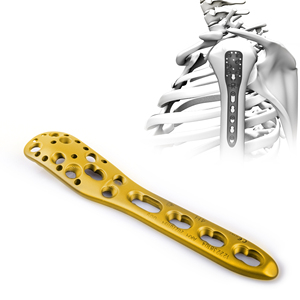
CANWELL OEM Proximal Humeral Titanium Locking Plate Philos Broken Bone Orthopedic Implants Trauma Fracture Surgery CE ISO Class
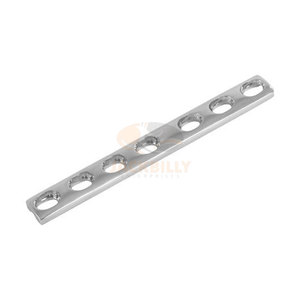
Premium Orthopedic Bone Implants for Veterinary Surgery Stainless Steel Manual Surgical Instruments CE Certified MOL Compliant
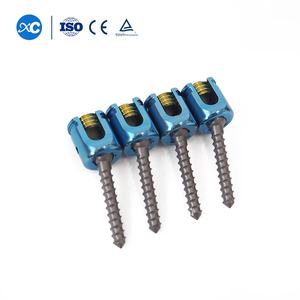
Veterinary Orthopedic Implants Polyaxial Spine Pedicle Screw Titanium Orthopaedic Implant
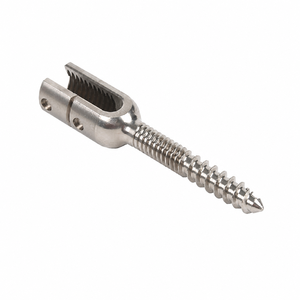
Titanium Pedicle Screw CNC Machining Service Spinal Orthopedic Bone Screw Custom Precision OEM Parts
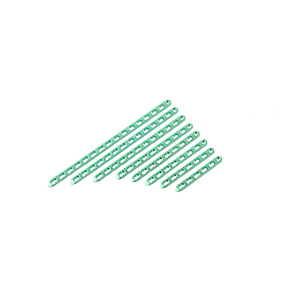
ORTHOCORE 2.0mm Locking Compression Plates Titanium Veterinary Orthopedic Implant Safe and Reliable
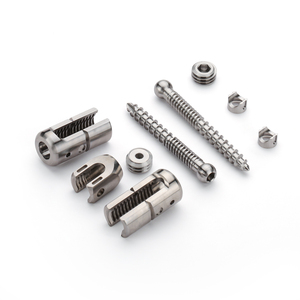
JZC High-quality Orthopedic Spinal Implant Posterior Thoracolumbar Nailing and Rod Fixation System Titanium Alloy
Enterprise Capabilities & OEM Manufacturing Infrastructure
When importing orthopedic surgical implants, product compliance and biological safety are paramount. Medical devices implanted permanently into human or animal anatomy require strict controls over raw material purity, surface finish integrity, and dimensional tolerances. Leading Chinese manufacturers, such as Orthomanufacturer Medical Co., Ltd, operate vertically integrated facilities designed around global regulatory compliance.
Metallurgical Rigor & Certification
All implantable components are fabricated exclusively from certified bar stock: Titanium Ti-6Al-4V ELI (ASTM F136 / ISO 5832-3), Commercially Pure Titanium (ASTM F67), 316L Stainless Steel (ASTM F138), and PEEK (ASTM F2026). Each production lot is accompanied by complete mill test reports (MTR) confirming chemical analysis and mechanical tensile testing.
Precision CNC Swiss-Type Machining
Utilizing multi-axis CNC Swiss lathes (Citizen, Star, Tornos) and 5-axis high-speed machining centers, micro-threads, polyaxial screw heads, cannulated drill holes, and anatomically pre-contoured plates are milled with tolerances down to ±0.005mm. Dual-lead threads reduce insertion time while enhancing cancellous bone grip.
Validated Surface Treatments
Electropolishing, automated deburring, type II electrochemical titanium anodization, and micro-blasting ensure smooth finishes free of micro-cracks. Type II anodization significantly increases surface hardness, minimizes fretting corrosion, and reduces cold-welding risk between locking screws and plate threads.
Implant Biomaterial & Structural Reference Table
To assist hospital tender boards and distributor technical directors, the following table details the biomechanical characteristics and regulatory standards across primary orthopedic material categories:
| Material Class | International Standard | Tensile Strength (MPa) | Elastic Modulus (GPa) | Primary Clinical Application |
|---|---|---|---|---|
| Ti-6Al-4V ELI (Gr 5) | ASTM F136 / ISO 5832-3 | ≥ 860 MPa | 110 GPa | Pedicle screws, intramedullary nails, trauma locking plates |
| CP Titanium (Gr 2 / Gr 4) | ASTM F67 / ISO 5832-2 | 480 – 680 MPa | 105 GPa | CMF maxillofacial plates, cranial mesh, small fragment T-plates |
| Stainless Steel (316L) | ASTM F138 / ISO 5832-1 | ≥ 860 MPa (Cold worked) | 210 GPa | Cost-effective trauma implants, external fixator pins, bone screws |
| PEEK Optima | ASTM F2026 | 90 – 100 MPa | 3.6 – 18 GPa (Reinforced) | Radiolucent spinal interbody cages (PLIF/TLIF/ACDF) |
| CoCrMo Alloy | ASTM F1537 / ISO 5832-12 | ≥ 1000 MPa | 230 GPa | Joint replacement prostheses, articulating femoral heads |
Technological Innovations & Future Trends in Orthopedic Engineering
The global orthopedic field is rapidly shifting from standardized implants toward patient-specific solutions, minimally invasive surgical (MIS) techniques, and advanced bioactive surfaces. Chinese manufacturers are investing heavily in R&D to lead these global technological developments:
1. Additive Manufacturing & Porous Lattice Structures
Electron Beam Melting (EBM) and Selective Laser Melting (SLM) 3D printing technologies allow the creation of trabecular-mimicking titanium structures. With porosity levels ranging between 60% and 80% and pore sizes engineered to 300–500 microns, these 3D-printed interbody fusion cages and joint augment heads promote rapid osteoconduction and vascular ingrowth, eliminating reliance on synthetic bone grafts.
2. Patient-Specific Implants (PSI) & Digital Workflows
Integrating preoperative High-Resolution CT DICOM data directly into CAD/CAM software enables rapid custom manufacturing of CMF reconstruction plates and complex pelvic fracture fixation. Chinese OEM factories now offer seamless cloud-based design verification platforms, allowing surgeons overseas to inspect and approve custom 3D model toolpaths within 48 hours.
3. Minimally Invasive (MIS) Spine & Trauma Systems
Surgeon demand for shorter hospital stays has accelerated the adoption of percutaneous pedicle screw systems and retro-grade intramedullary nails. Chinese exporters now provide complete MIS procedure sets featuring extension towers, cannulated screw taps, K-wire guides, and specialized radiolucent carbon fiber retractor blades for unobstructed intraoperative fluoroscopy.
4. Bio-Absorbable & Antibacterial Coatings
Post-operative surgical site infection (SSI) remains a costly clinical complication. Research and development teams are actively commercializing silver-ion nano-coatings and plasma-sprayed Hydroxyapatite (HA) multi-layers. These coatings accelerate osseointegration while providing localized antibacterial elution, reducing revision surgery rates.
Future Procurement Trends for Global Medical Distributors (2025–2030)
As international healthcare systems strive for financial sustainability, traditional procurement models are evolving. B2B medical buyers evaluating Chinese suppliers should align their supply chain strategies with four dominant market trends:
Vendor Consolidation
Distributors are moving away from multi-vendor fragmentation. Partnering with a single high-capacity Chinese manufacturer capable of supplying spine, trauma, CMF, joint, and veterinary systems streamlines logistics, reduces audit costs, and ensures uniform quality control.
Regulatory Co-Development
Global regulatory bodies demand rigorous technical documentation. World-class exporters provide complete technical file dossiers—including ISO 10993 biocompatibility testing, ASTM F1717 dynamic fatigue test data, cleanroom validation reports, and sterilization packaging validation—to accelerate local registration.
Instrument-Implant Co-Engineering
Surgical failures often stem from poor tolerances between screwdriver bits and screw recesses. Premier Chinese OEM suppliers engineer matching titanium implants, ergonomic surgical hand instruments, and autoclavable sterilization tray systems simultaneously to eliminate intraoperative driver slippage.
Complete OEM / Private-Label Manufacturing Workflow
Partnering with a specialized Chinese manufacturer for custom or private-label implants follows a structured, risk-mitigated engineering process:
Engineering Audit
Review of 2D/3D CAD drawings, material selection, surface requirements, and clinical intent.
Prototype & Testing
5-axis CNC prototyping, mechanical fatigue testing (ASTM F1717/F543), and fit verification.
Mass CNC Machining
Validated batch production under ISO 13485 cleanroom and automated CMM inspection.
Laser Marking & Box
Custom logo laser marking, UDI barcode printing, and protective sterile/non-sterile packaging.
Frequently Asked Questions (Procurement FAQ)
Addressing critical technical, commercial, and regulatory queries from international hospital buyers and orthopedic distributors.
Partner with a Leading China Orthopedic Manufacturer
Whether expanding your hospital tender offerings, developing custom spine systems, or establishing private-label trauma portfolios, our clinical engineers are ready to support your supply chain.