Industrial Scale & Technical Capabilities of China's Medical Device Factories
Navigating global supply chain volatility requires a direct manufacturing partner capable of delivering high-fatigue-strength titanium implants, biocompatible shape-memory alloys, and ergonomically calibrated surgical instruments. As a premier China wholesale medical device manufacturer, our automated factories integrate complete design validation, raw material verification, precision Swiss CNC turning, surface anodization, and regulatory documentation to protect distributor margins and patient outcomes.
OEM & Contract Manufacturing
We specialize in turnkey private-label solutions. From CAD engineering design review and prototype sampling to laser marking and custom sterile packaging, our contract manufacturing services enable medical distributors to launch branded orthopedic lines rapidly while minimizing capital expenditure.
Bio-Metallurgical Assurance
Every batch of raw titanium (Ti-6Al-4V ELI ASTM F136), Nitinol shape memory alloy, or medical grade 316L stainless steel undergoes strict spectral analysis, tensile testing, and ultrasonic flaw detection to guarantee compliance with international biocompatibility standards.
Global Regulatory Dossiers
To accelerate registration across EU, LATAM, MENA, and Southeast Asian health authorities, our regulatory department supplies complete technical documentation including ISO 13485 certificates, biocompatibility test reports (ISO 10993), sterilization validation, and Instructions for Use (IFU).
Wholesale Medical Device & Orthopedic Implant Portfolio
Explore our specialized orthopedic fracture fixation implants, precision CNC machined components, surgical instruments, and raw materials engineered for peak operational performance.
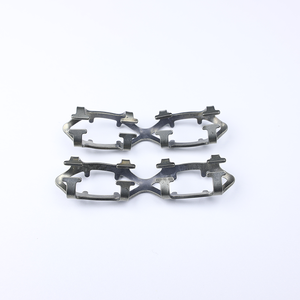
Yi Fantai Orthopedic Nickel-Titanium Patellar Claw Shape Memory Alloy Minimally Invasive Knee Fracture Fixation Implant Medical
Send an Inquiry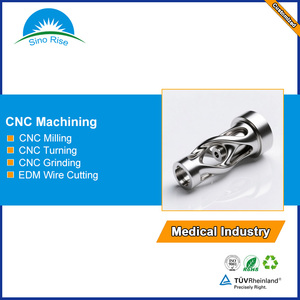
Precision 5 Axis CNC Turning Milling Machining Titanium Orthopedic Implants Parts for Medical Equipment | OEM Custom Service
Send an Inquiry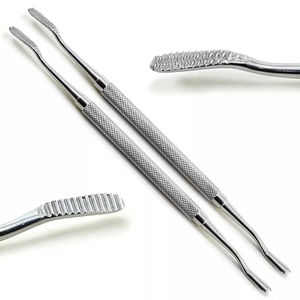
High Grade Stainless Steel Premium Quality Dental Howard Bone Files Set 2pcs Orthopedic Bone Chisel File Medic Instrument
Send an Inquiry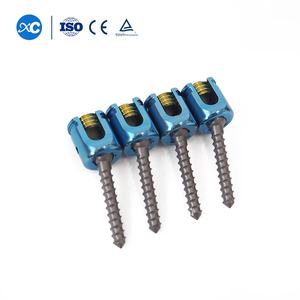
Veterinary Orthopedic Implants Polyaxial Spine Pedicle Screw Titanium Orthopaedic Implant
Send an Inquiry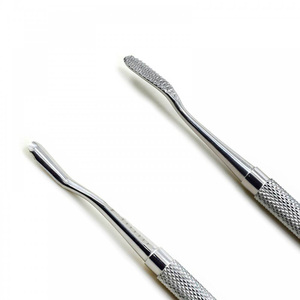
Premium Quality Double Ended Manual Dental Bone File Orthopedic Implant Scraper Non Magnet 304 Stainless Steel 6mm CE Approved
Send an Inquiry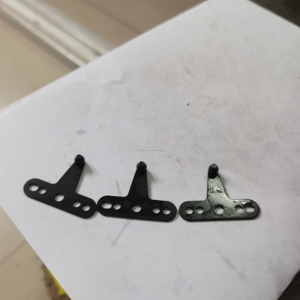
Medical Grade AM ORTHO Right Angled Titanium Orthopedic Trauma Implants Manual Power Source
Send an Inquiry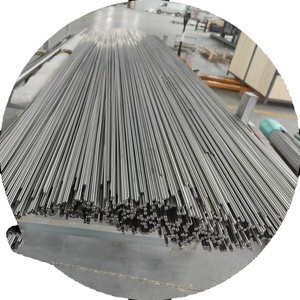
Titanium bar Grade 5 Eli Orthopedic Implants 3mm 4mm 5mm Dental Surgical Implant Price Per kg
Send an Inquiry
Micro Bone Screw Titanium Medical Grade Swiss CNC Machined Orthopedic Screw Component Custom OEM
Send an InquiryFuture Procurement Trends in Global Orthopedic Supply Chains
An analysis of geopolitical shifts, regulatory compliance demands, and direct factory sourcing paradigms for the 2025–2030 surgical device market.
1. Transition to Direct OEM Factory Sourcing
Global medical distributors are increasingly bypassing intermediary trading companies in favor of direct engagement with accredited Chinese OEM manufacturers. By establishing direct contracts with original factories possessing full Swiss-type 5-axis CNC machine fleets, procurement teams secure transparent unit economics, custom laser-marking flexibility, and direct technical dialogue with biomedical engineers.
2. Strict Turnkey Regulatory Dossier Demands
With the implementation of the European Union Medical Device Regulation (EU MDR 2017/745) and stringent FDA 510(k) updates, procurement teams no longer evaluate implants based on unit cost alone. Factory partners must supply comprehensive technical documentation packs—including mechanical fatigue testing data (ASTM F543 for bone screws), biocompatibility reports (ISO 10993 series), and validated cleaning protocols.
3. SKU Consolidation & Matching Instrument Sets
Surgeons demand surgical workflow efficiency. Future procurement models emphasize integrated implant-instrument kits where bone plates, locking screws, taps, drills, and bending irons are color-coded, standardized, and housed within custom-machined, autoclavable sterilization trays supplied directly from a single manufacturing source.
4. Smart Inventory & Lot Traceability Protocols
Supply chain resiliency now hinges on digital lot identification. High-end Chinese factories are embedding QR-coded and UDI-compliant laser marking directly on sub-millimeter titanium micro screws and trauma plates, ensuring total end-to-end traceability from raw bar stock melt numbers to hospital operating rooms.
Technological Development Trends in Orthopedic Device Manufacturing
How advanced metallurgy, additive manufacturing, smart alloys, and surface engineering are transforming orthopedic implants and trauma fixation devices.
Shape Memory Alloys (Nitinol)
Nickel-Titanium (Nitinol) shape memory alloys are revolutionizing minimally invasive fracture fixation. Products like patellar memory claws utilize thermal superelasticity to exert continuous, self-adjusting compressive forces across osteotomy sites, accelerating bone healing compared to traditional static stainless steel wiring.
3D Porous Titanium Structures
Direct Metal Laser Sintering (DMLS) 3D printing enables the creation of biomimetic porous trabecular titanium surfaces. These porous lattices mimic human cancellous bone modulus, reducing stress shielding while fostering rapid intraoperative osseointegration in interbody spine cages and joint prostheses.
Surface Anodization & Plasma Spray
Modern orthopedic factories utilize Type II and Type III electro-anodization to enhance fatigue life, prevent fretting corrosion, and provide intuitive intraoperative color-coding for surgical teams. Vacuum Plasma Spray (VPS) hydroxyapatite coatings further enhance early bio-fixation in un-cemented trauma systems.
Biomedical Implant Material & Specification Guide
Technical comparison of primary metals and polymers utilized in surgical implant manufacturing.
| Material Name | Standard Specification | Tensile Strength (MPa) | Biocompatibility & Fatigue Life | Primary Clinical Applications |
|---|---|---|---|---|
| Ti-6Al-4V ELI (Grade 5) | ASTM F136 / ISO 5832-3 | ≥ 860 MPa | Exceptional fatigue strength, low modulus, zero nickel allergy risk | Pedicle screws, intramedullary nails, trauma locking plates, joint stems |
| CP Titanium (Grades 2 & 4) | ASTM F67 / ISO 5832-2 | 480 – 680 MPa | High ductility for anatomical contouring, excellent soft tissue tolerance | CMF maxillofacial mini plates, cranial mesh, small fragment bone fixators |
| Nitinol (Ni-Ti Alloy) | ASTM F2063 | 800 – 1100 MPa | Superelasticity, shape memory transformation upon thermal exposure | Patellar claws, minimally invasive staples, flexible arthroscopy instrumentation |
| Medical Stainless Steel 316L | ASTM F138 / ISO 5832-1 | ≥ 690 MPa | Cost-effective strength, high shear resistance; requires electropolishing | External fixation Schanz pins, bone chisels, osteotomes, surgical rasps |
| PEEK Optima (Polyetheretherketone) | ASTM F2026 | 90 – 100 MPa | Radiolucent (CT/MRI compatible), elastic modulus matching natural bone | Cervical & lumbar interbody spine fusion cages, suture anchors |
Why Partner With Our Orthopedic Manufacturing Facilities
Bridging engineering excellence, competitive wholesale pricing, and stringent quality control.
Advanced CNC Machining Park
Our facilities feature state-of-the-art 5-axis Swiss-type automatic lathes (Citizen & Tornos), 5-axis milling centers, and wire-cut EDM machinery. This infrastructure guarantees thread geometry perfection, micro-screw drive recess consistency (Torx & Hex), and burr-free surfaces required for micro orthopedic components.
Rigorous Quality Assurance Protocol
Every production batch undergoes 100% optical coordinate measurement (CMM), surface roughness analysis (Ra < 0.4 µm for articulating surfaces), and mechanical pull-out torque testing. Raw material mill heat numbers are logged permanently in our ERP system to ensure total lot traceability.
Tailored OEM / ODM Service Flexibility
We support medical device brands from early-stage blueprint evaluation to mass production. Whether you require minor modifications to standardized locking plate contours or custom instrument tray layout development, our R&D engineering team delivers sample prototypes within fast turnarounds.
Global Export & Supply Chain Logistics
With deep experience serving healthcare distributors in over 60 countries, our export logistics office handles cleanroom double-blister sealing, customized sterile labeling, export customs clearance, and insured door-to-door air freight shipping with real-time tracking.
Standardized Orthopedic Production Workflow
From certified raw material receipt to sterile packaging readiness.
Material Verification
Receiving titanium bars, PEEK stock, or stainless steel rods with mill certificate verification, spectrographic chemistry analysis, and ultrasonic internal void testing.
5-Axis Precision Machining
High-speed CNC turning and milling of bone screw threads, locking plate holes, and polyaxial screw heads in climate-controlled machining cells.
Deburring & Polishing
Automated centrifugal barrel tumbling and manual micro-polishing to eliminate edge micro-fractures and achieve smooth, tissue-friendly surface finishes.
Anodizing & Marking
Color anodization (gold, blue, green, magenta) for intuitive sizing, followed by permanent fiber laser marking of batch lot numbers and UDI barcodes.
Cleanroom Washing
Multi-stage ultrasonic cleaning using purified water (RO/EDI system) in an ISO Class 7 cleanroom to ensure non-pyrogenic, particulate-free implants.
Final QC & Packaging
Final CMM dimensional inspection, protective double-blister sealing, labeling, and technical dossier collation prior to global export shipping.
Frequently Asked Procurement Questions (FAQ)
Key considerations for international medical buyers, hospital purchasing agents, and OEM partners.
What is the minimum order quantity (MOQ) for wholesale orthopedic implants?
Our MOQs are structured to accommodate both established brand distributors and regional tenders. Standard catalog titanium bone screws and locking plates typically feature low MOQs (50–100 units per size), while custom OEM/ODM projects are evaluated based on machining setup costs and batch material volumes.
Can you supply complete regulatory registration dossiers for local health authorities?
Yes. We provide comprehensive technical files including ISO 13485 quality management certificates, CE compliance declarations, raw material mill certificates (ASTM F136/F67), biocompatibility test reports, mechanical dynamic fatigue test reports, and sterilization validation documentation.
Do you support private-label custom laser marking and packaging?
Absolutely. We offer complete OEM branding services. Your company logo, specific catalog reference numbers, unique lot identifiers, and UDI barcoding can be fiber-laser marked directly onto implants and surgical instruments. Custom sterile pouch and box packaging are also available.
How do you verify instrument compatibility with implants during production?
We manufacture both implants and matching surgical instrument sets in-house. Screwdrivers, taps, drills, and plate benders are 100% fit-tested against production implant batches using precision go/no-go gauges and physical fit checks to ensure seamless intraoperative performance.
What sample evaluation protocols are available prior to bulk contract signing?
We encourage prospective global partners to request evaluation sample kits. Qualified distributors can evaluate dimension accuracy, surface anodization finish, and instrument ergonomics firsthand before finalizing commercial distribution agreements.
What are your standard manufacturing lead times for wholesale export orders?
Standard catalog orthopedic products in inventory ship within 7–10 working days. For bulk wholesale manufacturing or custom OEM contract orders, production lead times typically range from 25 to 40 days, depending on batch complexity and cleanroom packaging requirements.
Partner with a Leading China Wholesale Medical Device Manufacturer
Direct factory pricing, ISO 13485 certified quality control, comprehensive OEM/ODM customization, and robust regulatory support. Contact our engineering and export team today to receive CAD catalogs, sample kits, or a detailed quotation.
Send an Inquiry