Precision Orthopedic Implants & Surgical Solutions
Certified implantable devices manufactured under ISO 13485 and CE quality frameworks. Engineered with medical-grade titanium, stainless steel, and PEEK for optimal biomechanical fixation.
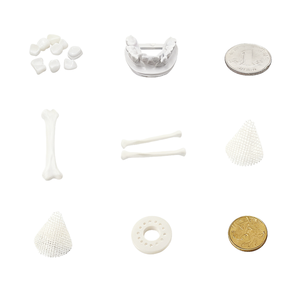
Medical Implant 3D Printing Service & Custom Devices
Additive manufacturing utilizing Ti-6Al-4V ELI powder for patient-specific porous implants and bio-compatible trabecular structures.
Send an Inquiry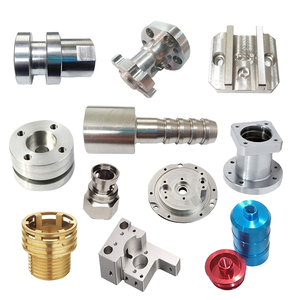
ISO9001 Precision CNC Machining for Complex Medical Parts
5-axis Swiss micro-milling and turning for high-precision surgical components in titanium, stainless steel, and PEEK.
Send an Inquiry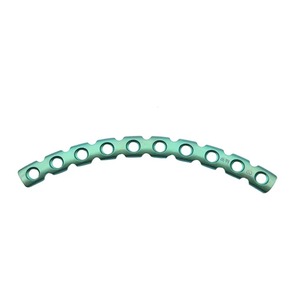
DCP ARCH Recon 3.5mm Plate Titanium Grade 5 Trauma Implants
Dynamic compression reconstruction plates designed for fracture fixation in complex pelvic and clavicular trauma procedures.
Send an Inquiry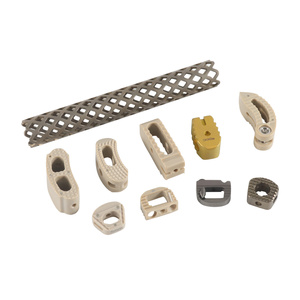
Anterior Cervical Titanium Plate System CE Approved
Ultra-low profile cervical spine locking system featuring tactile locking feedback and variable angle screw insertion options.
Send an Inquiry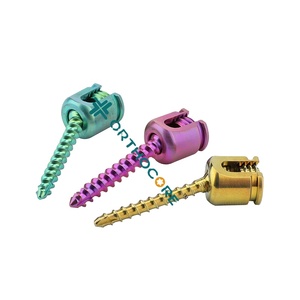
Veterinary Orthopedic Implants Large Animal Spinal Screw
High-torque heavy-duty orthopedic pedicle and spinal screws engineered for large animal veterinary trauma and reconstruction.
Send an Inquiry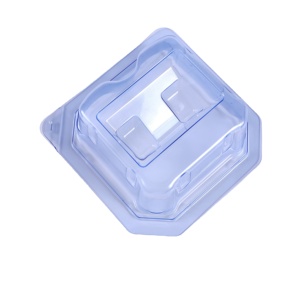
ETO Sterilization Thermoforming Blister Medical Packaging
ISO 11607 compliant Tyvek medical packaging solutions engineered for ETO and Gamma sterilization validation for medical devices.
Send an Inquiry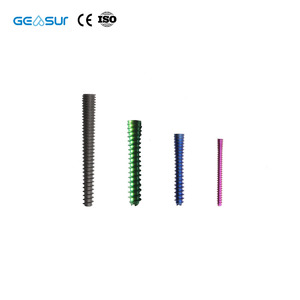
Class III Titanium Headless Compression Cannulated Screw
Self-tapping cannulated micro screws designed for scaphoid fractures, osteotomies, and small bone arthrodesis fixation.
Send an Inquiry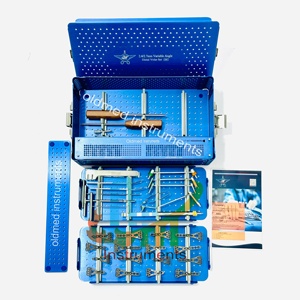
2.4/2.7mm Variable Angle Distal Radius Volar Plate Kit
Anatomically contoured volar locking plates with polyaxial locking screw technology for intra-articular radius fracture management.
Send an Inquiry1. Executive Industry Landscape: Navigating China Wholesale Orthopedic Manufacturing
The global medical device procurement paradigm has undergone a dramatic structural evolution over the past decade. International healthcare systems, hospital procurement alliances, and OEM medical device distributors are increasingly turning to China wholesale orthopaedic implant manufacturers not merely for unit cost arbitrage, but for sophisticated engineering agility, high-density 5-axis CNC machining, and rapid regulatory documentation deployment. As healthcare budgets face persistent margin pressures worldwide, sourcing high-grade orthopedic implants directly from verified Chinese factories has evolved into a strategic mandate for maintaining market competitiveness.
However, procuring Class II and Class III implantable devices demands rigorous vetting beyond simple price matrices. Implants such as pedicle screw systems, intramedullary nails, anatomical locking plates, and joint prostheses reside at the pinnacle of biomedical device risk categories. Leading Chinese manufacturers—such as Orthomanufacturer Medical Co., Ltd—have bridge-gapped Western technological benchmarks by investing heavily in cleanroom infrastructure, automated inspection systems, micro-finish passivation techniques, and global regulatory compliance frameworks including EU MDR (2017/745), US FDA 510(k), and ISO 13485:2016.
2. Biocompatible Materials & International Metallurgical Standards
The mechanical performance, fatigue threshold, and bio-integration of an orthopedic implant are defined fundamentally by its material integrity. Top-tier Chinese orthopedic implant factories utilize raw materials strictly compliant with international consensus standards. Understanding these metallurgical standards allows procurement officers to audit technical files and certificate of analysis (CoA) documentation efficiently.
| Biomedical Alloy / Material | Standard Specification | Primary Clinical Applications | Mechanical Properties & Biocompatibility Key Points |
|---|---|---|---|
| Ti-6Al-4V ELI (Grade 23) | ASTM F136 / ISO 5832-3 | Pedicle screws, trauma locking plates, intramedullary nails | Extra-Low Interstitial grade. Superior fatigue strength, excellent corrosion resistance, reduced modulus to minimize stress shielding. |
| Commercially Pure Titanium (CP Ti) | ASTM F67 / ISO 5832-2 | CMF micro/mini plates, cranial mesh, soft tissue anchors | High ductility and intraoperative bendability; optimal for non-load bearing anatomical reconstruction. |
| Stainless Steel 316L | ASTM F138 / ISO 5832-1 | Trauma plates, Schanz pins, external fixator frames | Vacuum Arc Remelted (VAR) steel providing high yield strength and economic viability for temporary internal fixation. |
| CoCrMo Superalloy | ASTM F1537 / ISO 5832-12 | Total joint prosthesis, femoral heads, knee components | Exceptional tribological properties, high hardness, and superior resistance to adhesive and abrasive wear. |
| PEEK-OPTIMA® Polyetheretherketone | ASTM F2026 | Interbody spinal fusion cages (PLIF, TLIF, ACDF) | Radiolucent (CT/MRI compatible), modulus of elasticity matching human cortical bone (3.6 GPa) to prevent cage subsidence. |
| UHMWPE / Cross-Linked Polyethylene | ASTM F648 / ISO 5834-2 | Acetabular liners, tibial knee inserts | Ultra-high molecular weight polymer providing low friction coefficients for articulating surface interfaces. |
Advanced manufacturers implement 100% positive material identification (PMI) via X-ray fluorescence (XRF) spectroscopy upon raw bar stock arrival. This guarantees zero batch-to-batch chemical contamination before machining commences on 5-axis Swiss-type lathes.
Future Procurement & Industry Trends (2025–2030)
Key technological shifts reshaping the global orthopedic implant supply chain and OEM manufacturing dynamics over the next decade.
1. Additive Manufacturing & Porous Lattice Structures
Direct Selective Laser Melting (SLM) and Electron Beam Melting (EBM) are replacing traditional plasma-spray coatings. 3D-printed titanium implants feature engineered trabecular pores (300–500 µm) that stimulate direct osseointegration and vascular ingrowth, radically accelerating patient recovery times.
2. Stringent Regulatory & UDI Compliance Integration
Global health authorities require full unique device identification (UDI) laser marking down to individual serial numbers. Factory-level integration of GS1 matrix codes and comprehensive STED regulatory technical dossiers is now a non-negotiable standard for international tender eligibility.
3. Single-Use Sterile Kit Packaging Models
The industry is shifting from traditional bulk unsterile implant shipments toward sterile pre-packaged kits. Complete procedure kits—combining pre-sterilization ETO thermoforming blister trays with single-use disposable instruments—drastically reduce hospital reprocessing overhead and infection risks.
3. Factory Engineering Capabilities & OEM/ODM Workflow Infrastructure
Evaluating a wholesale factory’s physical machinery and quality control pipeline is essential for establishing a long-term private label partnership. Qualified orthopedic manufacturers must demonstrate mastery across four core production pillars:
Precision CNC Milling & Swiss Turning
Multi-axis Citizen and Star Swiss CNC automatic lathes guarantee concentricity and micro-pitch thread accuracy on cannulated headless compression screws and pedicle screws down to sub-micron tolerances.
Surface Modification & Anodization
Type II hard anodization and Type III color anodization provide rapid intraoperative identification of screw diameters and plate thickness while increasing corrosion resistance and fatigue thresholds.
Cleanroom Packaging & Sterilization
ISO Class 7 (Class 10,000) controlled cleanrooms house automated thermoforming blister packaging lines. Validated ETO (Ethylene Oxide) processes ensure zero residual toxicity and 5-year shelf-life stability.
Complementary Surgical Instrumentation
Implants must function seamlessly with matching surgical instruments. Factories provide custom-machined reamers, drill bits, taps, and benders housed in autoclavable sterilization tray containers.
Orthopedic Procurement FAQ
Direct technical answers addressing the most common regulatory, manufacturing, and commercial queries raised by global healthcare importers.