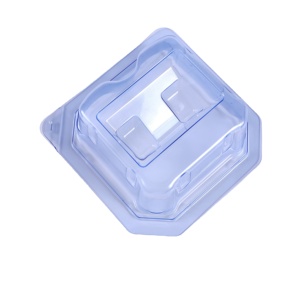
Catalog Highlights
Featured Surgical Implants & Packaging Systems
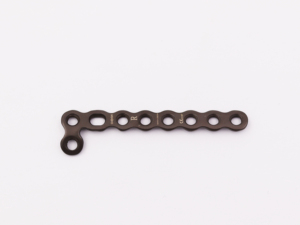
Hot Sale CE Certified Titanium/Stainless Steel Medical Surgical 2.0 L-type Locking Implants
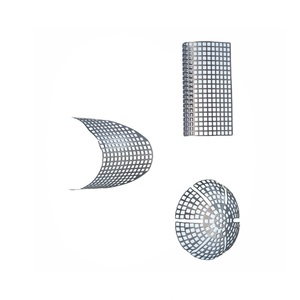
Competitive Price Titanium Alloy Material MESH Orthopedic Implants for Hospital
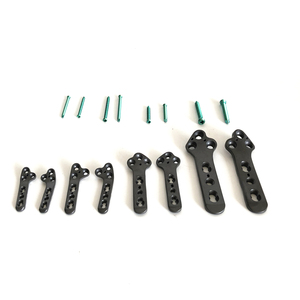
Surgical Veterinary TPLO Orthopedic Titanium Fixation System
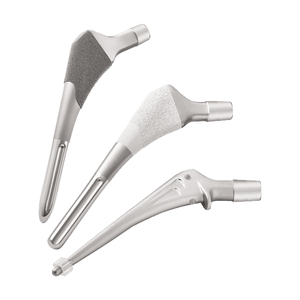
ZIMMER M/L 12/14 Taper Hip Prosthesis Femoral Stem Standard Offset Custom Implant
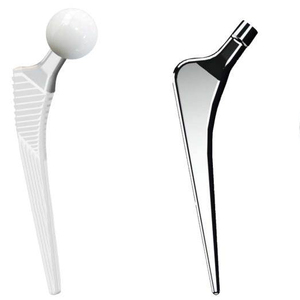
Total Knee & Hip Joint Prosthesis System Orthopedic Endoprosthesis
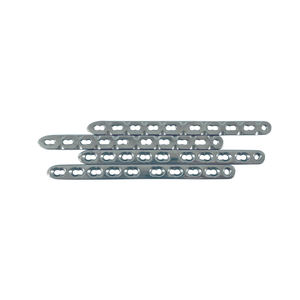
Surtechs Veterinary Orthopedic Implant 3.5mm Stainless Steel Bone Plate
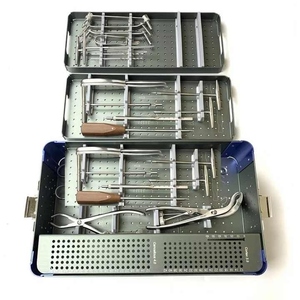
High Quality Small Fragment Instrument Set for General Orthopedic Surgery
100%
Traceable Raw Materials (ASTM F136 / F138)
50+
Middle East & GCC Hospital Partners
Class 10k
Cleanroom ETO Packaging Infrastructure
ISO 13485
Certified Quality Management Systems
China Wholesale Orthopedic Implants & Middle East Procurement Dynamics
The global orthopedic medical device sector is undergoing a profound structural shift. Healthcare organizations across the Middle East—specifically within the Gulf Cooperation Council (GCC) nations such as Saudi Arabia, the United Arab Emirates, Qatar, Kuwait, Oman, and Bahrain, alongside regional hubs like Jordan and Egypt—are actively diversifying their medical supply chains. B2B procurement teams, hospital purchasing authorities, and orthopedic distributors are increasingly looking to China as the premier manufacturing origin for high-precision bone plates, pedicle screws, intramedullary nails, maxillofacial fixation systems, and joint prostheses.
Historically dominated by high-markup European and North American brand names, the Middle Eastern healthcare market is experiencing rapid fiscal and infrastructural modernization under regional directives like Saudi Vision 2030 and UAE Operation 300bn. These national economic frameworks emphasize public health system expansion, cost containment, and supply security. Consequently, Chinese medical device manufacturers who maintain rigorous international certifications (ISO 13485, CE MDR mark, and NMPA approvals) have emerged as essential strategic partners.
Key Strategic Advantage: Partnering directly with qualified Chinese OEM orthopedic manufacturers reduces landed procurement costs by 35% to 55% compared to Western brands, while meeting identical ASTM material standards, dimensional tolerances, and clinical safety margins required by regional health ministries.
Navigating Middle East Regulatory Frameworks: SFDA, MoHAP & Technical Dossier Compliance
Exporting surgical implants from China into Middle Eastern territories requires a sophisticated understanding of localized health authority regulations. Successful market access relies heavily on providing comprehensive technical documentation, full lot traceability, and biocompatibility verification.
Saudi Arabia (SFDA)
The Saudi Food and Drug Authority mandates Medical Device National Provisions (MDMA) registration. Technical documentation must strictly follow the Summary Technical Documentation (STED) structure, supported by raw material certificates and ISO 13485 audits.
UAE (MoHAP)
The UAE Ministry of Health and Prevention requires strict product registration files, including CE certificate validation, Free Sales Certificates (FSC) issued by the competent body, and validated ethylene oxide (ETO) sterilization packaging reports.
Kuwait, Qatar & Oman
Ministries of Health across Kuwait, Qatar, and Oman leverage centralized Gulf Health Council (GHC) joint purchasing tenders. Suppliers must demonstrate proven manufacturing capacity, zero-defect quality control, and bilingual (English/Arabic) labeling capabilities.
Orthopedic Material Metallurgy & Mechanical Engineering Standards
Surgical performance depends entirely on material integrity, micro-structure consistency, and high fatigue limits. Premier Chinese orthopedic OEMs utilize medical-grade alloys compliant with rigorous ASTM international standards. The matrix below outlines primary materials engineered for long-term internal fixation and joint arthroplasty:
| Material Specification | Standard Certification | Primary Clinical Applications | Key Mechanical & Biological Properties |
|---|---|---|---|
| Titanium Alloy Ti-6Al-4V ELI | ASTM F136 / ISO 5832-3 | Pedicle Screws, Trauma Locking Plates, Intramedullary Nails | Extra Low Interstitial grade; exceptional fatigue strength, bio-inertness, modulus of elasticity matching human cortical bone. |
| Commercially Pure Titanium (CP-Ti) | ASTM F67 / ISO 5832-2 | CMF Maxillofacial Micro Plates, Reconstructive Mesh | Superior intraoperative malleability, excellent ductility for anatomical contouring along delicate facial structures. |
| Stainless Steel 316L | ASTM F138 / ISO 5832-1 | Trauma Plates, Schanz Pins, External Fixation Frames | High yield strength, cost-effective mechanical rigidness for temporary trauma stabilization; fully passivated surface finishing. |
| Polyetheretherketone (PEEK) | ASTM F2026 | Spinal Interbody Fusion Cages (PLIF, TLIF, ALIF) | Radiolucent under X-ray/CT imaging; prevents stress shielding with modulus closely matching cancellous bone tissue. |
| Cobalt-Chromium Alloy (CoCrMo) | ASTM F1537 / ISO 5832-12 | Femoral Heads, Knee Joint Femoral Components | Extreme surface hardness, low friction wear rates, exceptional resistance to fretting corrosion in load-bearing joint bearings. |
Future Procurement & Technological Trends in the Middle East (2025–2030)
As the Middle East modernizes its healthcare infrastructure, procurement strategies are evolving rapidly beyond simple transactional purchasing. Distributors and hospital chains are aligning with forward-looking suppliers who embrace next-generation surgical technologies:
3D Porous Titanium Trabecular Implants
Additive manufacturing via selective laser melting (SLM) is replacing smooth titanium surfaces. Porous trabecular structures promote rapid osseointegration, reducing implant loosening rates in revision hip and knee surgeries.
Patient-Specific Implants (PSI) & CAD/CAM
Surgical trends in Dubai and Riyadh are shifting toward custom patient-matched implants derived from 3D CT reconstructions, specifically in complex oncological bone resections and craniomaxillofacial reconstructions.
Sterile Pre-Packaged Kit Solutions
Hospitals are demanding individual ETO sterile blister packaging for single-use implants and disposable drill bits. This minimizes CSSD (Central Sterile Services Department) reprocessing costs and cross-contamination risks.
Enterprise Edge: Orthomanufacturer Medical's OEM/ODM Capabilities
At Orthomanufacturer Medical Co., Ltd, we operate as a dedicated technology and manufacturing partner for overseas medical distributors, brand owners, and hospital purchasing groups. Our infrastructure is engineered to solve the most critical pain points in global procurement: consistent dimensional quality, complete lot traceability, and matched surgical instrumentation.
Why Leading Distributors Partner With Us:
- Swiss Precision CNC Machining: Utilizing multi-axis Citizen lathes and DMG MORI machining centers ensuring sub-micron dimensional tolerances across locking threads and pedicle screw splines.
- 100% Unique Device Identification (UDI): Precision fiber laser marking of part numbers, lot codes, and dimensional specifications on every single implant for full regulatory compliance.
- Matched Instrument Tray Systems: We do not just supply implants; we manufacture dedicated, ergonomic surgical instrument sets housed in custom-milled aluminum sterilization trays.
- Turnkey Private Labeling & Packaging: Class 10,000 cleanroom thermoforming packaging with customized bilingual labels tailored for immediate import into Middle Eastern markets.
Procurement Guide
Frequently Asked Questions for Middle East Buyers
Clear answers to regulatory, technical, and commercial queries regarding wholesale orthopedic procurement from China.
1. What documentation is provided to support SFDA or MoHAP product registration in the Middle East?
+
We provide complete technical dossier packages structured according to STED/CSDT guidelines. This includes ISO 13485 certificates, CE documentation, material inspection certificates (Mill Test Reports), mechanical fatigue testing data, biocompatibility reports (ISO 10993 series), and validated ETO sterilization reports.
2. Can you customize laser markings and packaging for local Middle Eastern brands (OEM/Private Label)?
+
Yes. We offer complete OEM and private-label branding services. We apply high-precision fiber laser marking for your logo, unique device identifiers (UDI), catalog numbers, and batch details directly onto the implants. Additionally, we provide customized inner box and outer carton artwork in compliance with local language regulations (English and Arabic).
3. How do you ensure screw-to-plate compatibility and instrument fit during surgery?
+
Unlike suppliers who outsource instrumentation, we design and manufacture implants and surgical instruments concurrently in-house. All locking screw threads and plate locking holes undergo 100% optical and mechanical gauge testing to guarantee zero-jamming engagement and exact driver-head fit in the operating theater.
4. What are your standard raw material sources for titanium and stainless steel implants?
+
We source implant-grade titanium exclusively from certified bar stock mills complying strictly with ASTM F136 (Ti-6Al-4V ELI) and ASTM F67 (Commercially Pure Titanium). Stainless steel implants use medical-grade 316L (ASTM F138). Every raw material batch undergoes chemical analysis and mechanical tensile testing prior to machining.
5. Can qualified hospital groups or regional distributors request evaluation samples before committing to large volume orders?
+
Absolutely. We encourage prospective distributors and clinical committees to evaluate physical samples for surface finish, anodization color coding, dimensional precision, and instrument ergonomic handling. Sample kits can be dispatched via express courier upon initial engineering review.
6. What is the typical lead time for wholesale orders shipped to major Middle East ports (e.g., Jebel Ali, Jeddah Islamic Port)?
+
Standard catalog implants and instrument sets are maintained in stock for rapid dispatch within 7 to 14 days. Custom OEM orders or large tender quantities typically require 30 to 45 manufacturing days. Air freight shipments to Dubai, Riyadh, or Doha generally arrive within 3 to 5 transit days.
Expand Your Orthopedic Portfolio with China's Premier OEM Supplier
Whether you are preparing for a ministry tender in Saudi Arabia, building a private-label trauma system in the UAE, or sourcing high-precision spinal implants for hospital supply networks, our engineering team is ready to assist.