Medical-Grade Orthopedic Implants & Precision Instruments
Certified trauma, spine, CMF, and veterinary surgical solutions crafted for global distributors and Vietnamese hospital supply chains.
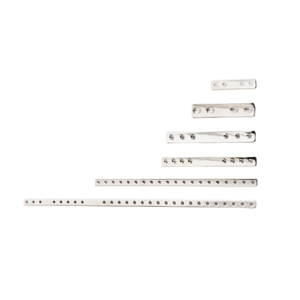
Fast Shipping MEDICA Brand CE Certified Stainless Steel Veterinary Orthopedic Trauma Implants 2.0/2.4/2.7mm Straight Neutral
Get a Quote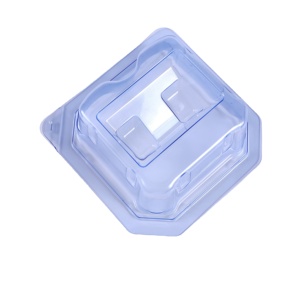
ETO Sterilization Compatible Thermoforming Blister Packaging for Orthopedic Implantable Devices
Get a Quote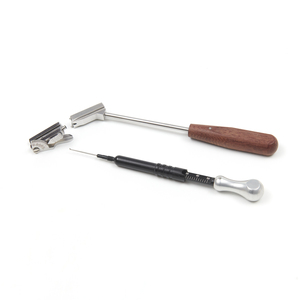
Factory Direct Stainless Steel Orthopedic Surgical Instruments Bone Assistance Device for Locating CE Certified Class II
Get a Quote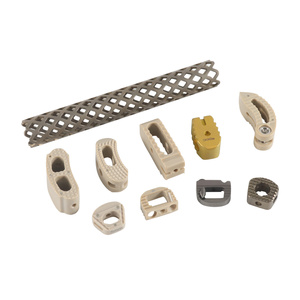
Variety of Orthopedic Spine Anterior Cervical Implant Titanium Plate Good Price Factory Ce Approved Orthopedic Implants.
Get a Quote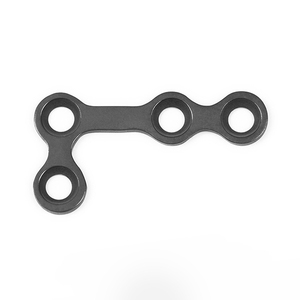
Orthopedic Implant Solutions Advanced Veterinary Fracture Repair Systems Hot Sale Surgical Orthopedic Implants with Cheap Price
Get a Quote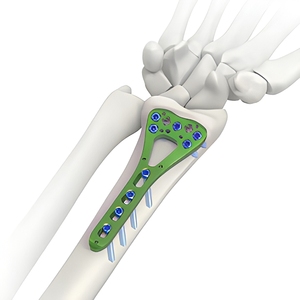
Orthopedic Trauma Implant Multi-axial Locking Plate Pure Titanium Distal Radius Medial Fracture Bone Fixation MDR/ISO 13485
Get a Quote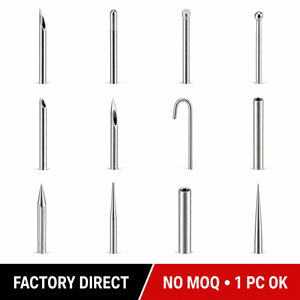
Micro Bone Screw Titanium Medical Grade Swiss CNC Machined Orthopedic Screw Component Custom OEM
Get a Quote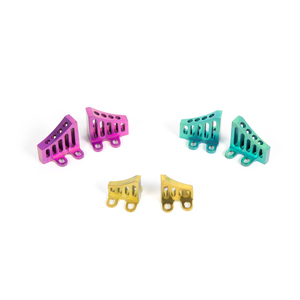
Veterinary Tibia Trauma Orthopedic Surgery Machined Type TTA Implant with 3D and Machined Types
Get a QuoteThe China-Vietnam Cross-Border Orthopedic Supply Chain Corridor
An authoritative technical guide for hospital procurement heads, medical device importers in Hanoi and Ho Chi Minh City, and global OEM partners managing orthopedic device sourcing.
1. Market Dynamics: Vietnam's Expanding Surgical Demand & Sourcing Shift
Vietnam’s healthcare system is undergoing rapid modernization. Driven by population expansion, urbanization, and increasing health insurance coverage, surgical volumes across orthopedic trauma, spinal surgery, joint replacement, and sports medicine are experiencing double-digit annual growth. Major public hospital networks such as Cho Ray Hospital, Bach Mai Hospital, and Viet Duc University Hospital, alongside private networks like Vinmec, require consistent access to international-grade orthopedic implants that combine biomechanical reliability with cost efficiency.
Historically, European and American tier-1 orthopedic brands dominated the Vietnamese tender landscape. However, procurement teams face rising healthcare costs, tender budget constraints, and severe supply chain lead-time challenges. Consequently, Vietnamese medical distributors are actively restructuring their supply chains toward certified Chinese contract manufacturers and wholesale exporters. As the world's primary hub for medical-grade titanium machining, China offers unmatched industrial density, advanced Swiss CNC infrastructure, and seamless tariff advantages under the ASEAN-China Free Trade Area (ACFTA), making Chinese orthopedic wholesale manufacturers the definitive strategic partner for Vietnam.
2. E-E-A-T Compliance & Metallurgical Precision Engineering
In accordance with Google's Search Quality Rater Guidelines, establishing High E-E-A-T (Experience, Expertise, Authoritativeness, Trustworthiness) in medical device procurement requires full disclosure of engineering methodologies, regulatory validation frameworks, and material safety compliance. Orthopedic implants are load-bearing, permanent, or long-term internal fixators; failure is clinically unacceptable. Sourcing high-quality devices requires rigorous verification of material standards, surface treatments, and cleanroom packaging protocols.
Certified Metallurgy
Raw material sourcing limited exclusively to ASTM F136 Ti-6Al-4V ELI, ASTM F67 Pure Titanium, ASTM F138 316L Stainless Steel, and ASTM F2026 PEEK. Complete mill test reports provided for every heat number.
Swiss CNC Precision
Multi-axis Citizen and Tornos CNC sliding-head lathes guarantee micro-thread geometry, smooth cannulation, and burr-free screw heads engineered to eliminate driver cam-out during surgery.
Regulatory Documentation
Comprehensive technical dossiers (STED), ISO 13485 certificates, CE marks, clinical evaluation summaries, and IFUs fully compliant with Vietnam Ministry of Health (MoH) registration requirements.
Metallurgical Properties & Biomechanical Standards
A comparative reference matrix for biomedical engineers and procurement specialists evaluating orthopedic implant raw materials.
| Implant Material Grade | International Standard | Tensile Strength (MPa) | Yield Strength (MPa) | Primary Surgical Applications | Key Biomechanical Advantages |
|---|---|---|---|---|---|
| Ti-6Al-4V ELI | ASTM F136 / ISO 5832-3 | ≥ 860 | ≥ 795 | Pedicle Screws, Trauma Locking Plates, Intramedullary Nails | Extra Low Interstitial grade; high fatigue strength, excellent bio-inertia, MRI compatible. |
| Commercially Pure Ti (Gr 4) | ASTM F67 / ISO 5832-2 | ≥ 550 | ≥ 483 | CMF Mini Plates, Cranial Mesh, Reconstructive Fixation | Superior intraoperative contourability and ductility for delicate anatomical shaping. |
| 316L Stainless Steel | ASTM F138 / ISO 5832-1 | ≥ 860 (Cold Worked) | ≥ 690 | Veterinary Trauma Plates, K-Wires, External Fixation Pins | Cost-effective rigidity; high modulus of elasticity, ideal for temporary fracture stabilization. |
| PEEK-OPTIMA | ASTM F2026 | 90 - 100 | ≥ 110 (Flexural) | Cervical Cages, PLIF/TLIF Interbody Fusion Devices | Radiolucent (zero image artifact under X-Ray/CT); modulus of elasticity matches human cancellous bone. |
| CoCrMo Alloy | ASTM F1537 / ISO 5832-12 | ≥ 1000 | ≥ 700 | Joint Prostheses, Femoral Heads, Knee Components | Extreme wear resistance, low coefficient of friction against UHMWPE articulating surfaces. |
Future Procurement Trends: 3D Printing, Sterile Packaging & Veterinary Surge
The global orthopedic implant landscape is rapidly shifting toward personalized medicine, immediate-use sterile packaging, and high-margin veterinary trauma repair. Wholesale suppliers that combine traditional high-precision Swiss CNC machining with additive manufacturing are best positioned to empower Vietnamese distributors.
A. Porous Titanium 3D Printing (SLM)
Selective Laser Melting (SLM) enables the creation of biomimetic trabecular structures directly integrated into spinal fusion cages and joint revision shells. These porous surfaces simulate human bone micro-architecture, promoting rapid osseointegration and eliminating the need for plasma-spray coatings that risk delamination.
B. Pre-Sterilized Ready-to-Use Blister Systems
Hospitals are increasingly demanding pre-sterilized implant packaging to eliminate hospital autoclave bottlenecks and lower infection risks. Modern thermoforming blister packaging made from medical-grade Tyvek and PETG supports Ethylene Oxide (ETO) and Gamma sterilization while maintaining a validated 5-year sterile shelf life.
C. The Boom in Veterinary Orthopedics
The companion animal healthcare market in Vietnam and wider Southeast Asia is experiencing exponential growth. Veterinary-specific trauma systems—such as micro 1.5/2.0/2.4mm locking plates, TTA/TPLO cruciate repair implants, and specialized bone instruments—represent a lucrative expansion sector for medical device importers.
How Vietnamese Importers Should Audit Chinese OEM Suppliers
To mitigate regulatory compliance risks and avoid product recalls, procurement officers must implement a structured 5-step vendor verification protocol before executing wholesale contracts.
Verify Scope of ISO 13485 & CE Certification
Ensure that the manufacturer’s ISO 13485:2016 certificate specifically includes the design and manufacturing of the exact product families (e.g., "Non-sterile and Sterile Orthopedic Implants, Spinal Fixation Devices, Intramedullary Nails") rather than generic medical consumables.
Audit Raw Material Mill Test Certificates (MTC)
Request lot-specific chemical analysis and mechanical test reports for raw titanium bar stock. Verify that hydrogen, oxygen, and nitrogen gas impurities conform strictly to ASTM F136 ELI thresholds to prevent intraoperative implant brittleness.
Evaluate Instrument-Implant Interface Tolerances
Always order pre-production sample kits. Perform physical engagement tests between screwdrivers and bone screw drive recesses (Star/Torx or Hexagonal drive). Verify zero wobble, smooth engagement, and precise depth stop positioning on drill guides.
Inspect Cleanroom Passivation & Anodizing Protocols
Confirm that titanium surface anodizing follows Type II or Type III standards to enhance fatigue life and provide clear color-coding for surgical teams. Verify automated ultrasonic cleaning cycles that eliminate oil residue from fine cannulated lumens.
Assess Private-Label OEM & Registration File Support
Validate the factory’s ability to execute custom fiber laser marking (brand logo, lot code, GTIN, barcode) and provide fully formatted technical registration dossiers required by Vietnam’s Ministry of Health for import license approval.
B2B Procurement & Technical FAQ
Addressing critical inquiries from Vietnamese distributors, hospital procurement agents, and international OEM partners.
What regulatory documents are provided to support orthopedic product registration in Vietnam?
We provide comprehensive registration dossiers compliant with Vietnam Ministry of Health (MoH) requirements under Decree No. 98/2021/ND-CP. This includes ISO 13485:2016 certificates, Certificate of Free Sale (CFS), CE Certificates, Full Technical Construction Files (STED), Raw Material Mill Certificates, Biocompatibility Test Reports (ISO 10993), Packaging Validation Reports, and Instructions for Use (IFU).
How does China manufacturing compare with European orthopedic brands regarding cost and quality?
China’s premier orthopedic manufacturers utilize the exact same Swiss CNC machine tools (e.g., Tornos, Citizen) and identical raw materials (ASTM F136 Ti-6Al-4V ELI imported from certified suppliers) as top European brands. By leveraging China's dense medical industrial ecosystem, distributors achieve 40% to 60% cost reductions without sacrificing dimensional tolerances, fatigue strength, or clinical performance.
Can you manufacture custom private-label orthopedic plates and screws according to customer drawings?
Yes. We specialize in OEM and ODM private-label manufacturing. Our engineering team reviews 2D/3D CAD models (STEP, IGES, DWG) or physical samples, performs DFM (Design for Manufacturability) analysis, produces prototypes for functional testing, and establishes validated CNC programming for full-scale mass production.
What raw materials are utilized for spinal cages and trauma plates?
Spinal interbody fusion cages are manufactured using implant-grade PEEK-OPTIMA (ASTM F2026) or 3D-printed porous titanium. Trauma locking plates are machined from titanium alloy Ti-6Al-4V ELI (ASTM F136) or high-grade 316L stainless steel (ASTM F138). Maxillofacial mini-plates utilize Commercially Pure Titanium (ASTM F67 Grade 4) for optimal bendability.
What are the typical lead times for wholesale orders delivered to Ho Chi Minh City or Hanoi ports?
Standard catalog items maintain a stock buffer with dispatch within 7 to 10 working days. Custom OEM orders or large tender fulfillment cycles generally require 30 to 45 days for CNC machining, surface anodizing, quality inspection, and cleanroom packaging. Shipping via air freight to Noi Bai (Hanoi) or Tan Son Nhat (HCMC) airports takes 2 to 4 days, while sea freight to Haiphong or Cat Lai ports takes 7 to 12 days.
How is laser marking executed on micro orthopedic screws and trauma plates?
Implants undergo high-precision fiber laser marking inside an ISO Class 7 clean environment. We mark part numbers, lot numbers, dimensional specs, and QR/UDI barcodes directly onto non-articular surfaces. Laser parameters are calibrated to prevent surface oxidation degradation or micro-crack initiation.
What options exist for sterile vs non-sterile bulk packaging?
We supply both options. Non-sterile implants are cleaned via multi-stage automated ultrasonic washing, packed in protective double PE bags, and boxed for sterilization by the hospital. Sterile options feature cleanroom double thermoformed PETG blister trays sealed with Tyvek lids, compatible with ETO or Gamma sterilization.
Partner with China's Premier Orthopedic OEM Manufacturer
Streamline your medical device supply chain, lower tender procurement costs, and expand your market share across Vietnam and Southeast Asia. Request technical catalogs, material certificates, or physical sample evaluation kits today.
Get a Quote