Medical Device Catalog
Featured Orthopedic Implants & Packaging Systems
Explore our ISO 13485 manufactured surgical devices, locking plates, spine hardware, and sterile packaging solutions designed for international regulatory compliance.
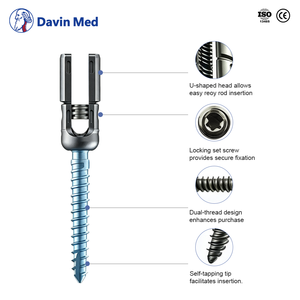
DavinMed CE/ISO Spine Polyaxial Pedicle Screw Long Tail Titanium Orthopedic Implant
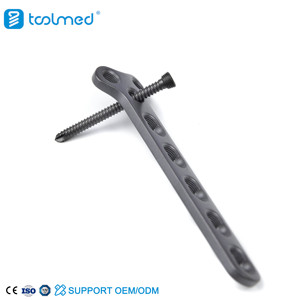
T Type Locking Plate Veterinary Orthopedic Surgical Surgery Implant for Animal Surgery
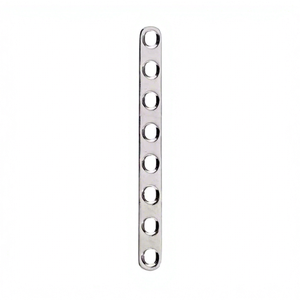
Stainless Steel Phillips Bone Plates High Quality Veterinary Bone Implants CE ISO Approved
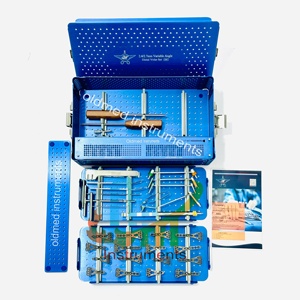
2.4/2.7mm Variable Angle Distal Radius Volar Plates Screws Instruments Orthopedic Kit
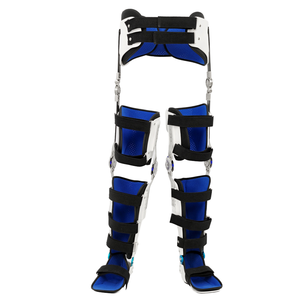
Adult Hip Support Device Hip Knee Ankle Foot Orthosis for Fracture Fixation
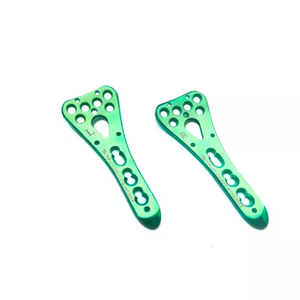
High Quality Variable Angle Volar Titanium Plate Orthopedic Surgical Implant
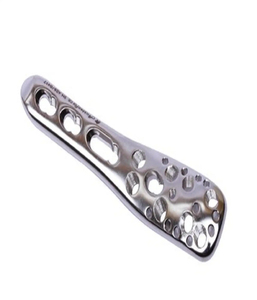
SureMed Instruments Orthopedic Implants Set PHILOS Plate 3.5 Instrument Manual Set
ISO 13485
Quality Management System Certified
±0.005 mm
Swiss CNC Machining Tolerances
100%
Full Material & Lot Traceability
50+
Countries Exported & Registered
Strategic Manufacturing Report
Evaluating OEM ISO 13485 Certified Orthopedic Factories
In modern MedTech procurement, selecting an contract manufacturer is no longer a simple unit-cost comparison. Medical device brands and regional distributors must balance strict regulatory audit trails, advanced metallurgical standards, and long-term supply chain security.
Certified Quality Architecture
Operating strictly under ISO 13485:2016 and ISO 9001 quality systems, our production routines enforce statistical process control (SPC), IQ/OQ/PQ machine validations, and zero-defect quality gates across every implant line.
Implant-Grade Metallurgy
Direct procurement of fully verified biocompatible materials: Ti-6Al-4V ELI (ASTM F136), Commercially Pure Titanium (ASTM F67), Implant Stainless Steel (ASTM F138), CoCrMo Alloys (ASTM F1537), and PEEK (ASTM F2026).
Matched Instrument Tolerances
Eliminate intraoperative slippage and driver stripping. We manufacture implants and dedicated reusable surgical instrumentation in tandem, ensuring sub-micron tactile fit and optimal torque transfer.
Industry Intelligence
Future Procurement & Technological Trends in Orthopedics
Understanding the global shifts in orthopedic manufacturing allows procurement officers to future-proof their supply chains against regulatory changes and clinical demands.
1. Biocompatible PEEK & Hybrid Additive Manufacturing
The market is moving rapidly from solid metal constructs to bioactive and radiolucent materials. Polyetheretherketone (PEEK per ASTM F2026) cages allow radiolucent post-operative imaging, while 3D-printed porous titanium surfaces mimic trabecular bone structure, accelerating osseointegration. Contract manufacturers must master both subtractive high-speed Swiss lathe turning and additive titanium sintering.
2. Global Harmonization of Technical Documentation (MDR & FDA)
Regulatory bodies worldwide are standardizing requirements. The transition from MDD to EU MDR (2017/745) and strict US FDA 510(k) clearances demand comprehensive Technical Files (STED format), biocompatibility testing (ISO 10993), and dynamic fatigue testing data (ASTM F1717 for spine, ASTM F382 for trauma plates). Modern OEM partners must supply complete regulatory dossier support alongside physical hardware.
3. Sterile, Ready-to-Use Single-Pack Implants
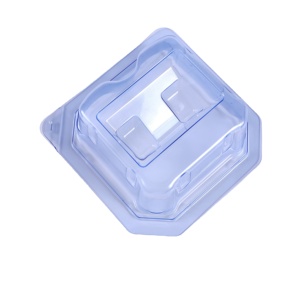
Hospitals are transitioning away from bulk unsterile implant trays to reduce operating room setup time and eliminate nosocomial infection risks. OEM factories are required to provide ISO Class 8 cleanroom thermoformed blister packaging, pre-sterilized via Ethylene Oxide (ETO) or Gamma irradiation, certified under ISO 11607 packaging validation protocols.
Engineering Standards
Material Engineering & Metallurgical Benchmark
Review our raw material specifications and mechanical standards used across spine, trauma, joint, and veterinary surgical implants.
| Material Category | Standard Compliance | Yield Strength (MPa) | Biomechanical Application | Primary Clinical Benefit |
|---|---|---|---|---|
| Ti-6Al-4V ELI | ASTM F136 / ISO 5832-3 | ≥ 795 MPa | Pedicle screws, intramedullary nails, locking plates | Superior fatigue resistance, low density, magnetic resonance compatibility |
| CP Titanium (Grade 2/4) | ASTM F67 / ISO 5832-2 | 275 - 480 MPa | CMF micro/mini plates, cranial mesh, soft tissue anchors | High intraoperative ductility for anatomical contouring |
| Stainless Steel 316LVM | ASTM F138 / ISO 5832-1 | ≥ 690 MPa | Veterinary bone plates, external fixators, Schanz pins | Cost-effective strength with high corrosion resistance post-passivation |
| PEEK Optima® | ASTM F2026 | 90 - 100 MPa | Cervical & lumbar interbody cages, sports anchors | Modulus match to natural cortical bone, zero artifact under MRI/CT |
| CoCrMo Alloy | ASTM F1537 / ISO 5832-12 | ≥ 827 MPa | Total hip femoral heads, total knee articular implants | Ultra-low wear rate against UHMWPE bearing surfaces |
Factory Operations
OEM / ODM Manufacturing Workflow
From initial CAD design review to final validated cleanroom sealing, our 6-step manufacturing workflow guarantees complete lot-level precision and compliance.
01
Design & DFM Review
Our orthopedic engineering team conducts Design for Manufacturability (DFM) analyses on client drawings, establishing dimensional tolerances, thread profiles, and tool clearance paths.
02
Swiss CNC Machining
High-precision 5-axis milling centers and multi-spindle Swiss CNC lathes execute continuous machining of complex geometries with repeat accuracy down to ±0.005mm.
03
Surface Passivation & Color Anodizing
Electropolishing, micro-shot blasting, chemical passivation per ASTM F86, and Type II anodizing provide distinct color-coding for surgical sizing and anti-galling performance.
04
Laser Traceability & Cleanroom Packing
Fiber laser markers engrave UDI barcode symbols, lot numbers, and dimensions. Products are ultrasonically cleaned and packaged in ISO Class 8 cleanrooms.
Frequently Asked Questions
Orthopedic OEM Procurement FAQ
Direct answers to technical, regulatory, and commercial inquiries for medical device distributors and brand managers.
What regulatory certificates does your manufacturing facility hold? +
Our manufacturing plant is fully certified under ISO 13485:2016 for Medical Device Quality Management Systems. Our product lines carry CE mark certifications under European standards and maintain full compliance with US FDA QSR 21 CFR Part 820 requirements. We provide complete technical files (STED format), biocompatibility test reports, and sterilization validation dossiers to assist our distribution partners with local ministry of health registrations.
Can you produce private-label implants and customized surgical instrument trays? +
Yes. We offer comprehensive OEM/ODM services including private-label laser marking (UDI barcodes, custom branding, part numbers), tailored color anodizing, custom blister tray thermoforming, branded packaging box design, and customized surgical instrument cases engineered to match specific surgical techniques.
How do you guarantee batch-to-batch material purity and traceability? +
Every raw material bar stock (Titanium, Stainless Steel, PEEK) is procured exclusively from certified medical-grade mills with raw material Certificates of Analysis (CoA) according to ASTM specifications. Each manufacturing lot is assigned a unique tracking number that is laser-etched onto every individual implant, linking the finished product directly back to its raw material chemical melt batch and processing history.
What is your sample evaluation policy for qualified distributors? +
We provide prototype and production-grade sample evaluations for established medical device distributors, hospitals, and MedTech brand owners. Samples can be dispatched for dimensional inspection, metallurgical testing, and surgeon tactile feedback prior to committing to full contract production runs.
What sterilization methods are your packaging systems validated for? +
Our medical-grade thermoformed Tyvek® blister packaging systems are validated for Ethylene Oxide (ETO) gas sterilization and Gamma radiation according to ISO 11607 standards. Non-sterile implants supplied in bulk are fully validated for hospital steam autoclave reprocessing protocols.
How do you handle custom engineering requests from customer drawings? +
Customers can submit CAD models (STEP, IGES) or 2D technical drawings. Our engineering team conducts DFM analysis within 48 hours, providing tolerance recommendations, tool path optimization, material selection advice, and cost estimates. We can produce functional prototypes within 15–20 working days.
Accelerate Your Orthopedic Device Manufacturing
Partner with an ISO 13485 certified contract manufacturer. Download our comprehensive product catalog, request sample kits, or schedule a technical consultation with our engineering team today.