Class II Orthopedic Implants & Surgical Kits
Direct factory OEM/ODM solutions engineered for trauma centers, orthopaedic hospitals, and global medical device distributors. Available for private labeling and custom configuration.
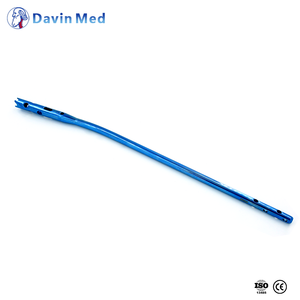
Orthopaedic Medical Implants Wholesale Titanium Hospital Use Multiple Length Cannulated Tibial Interlocking Intramedullary Nail
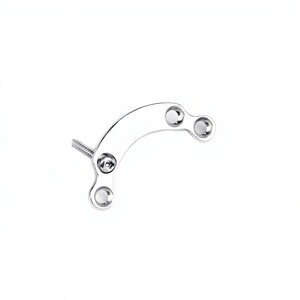
Veterinary Orthopedic Implants Acetabular Plate Stainless Steel CE Certified Animal Fracture Treatment Orthopedic Interventional
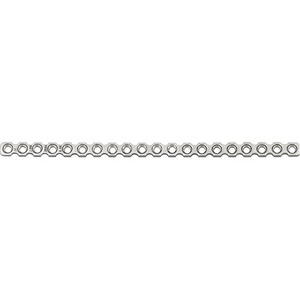
Meditech CE&ISO Certificated Veterinary Bone Plate Veterinary Orthopedic Implants 1.5 Straight Reconstruction Plate
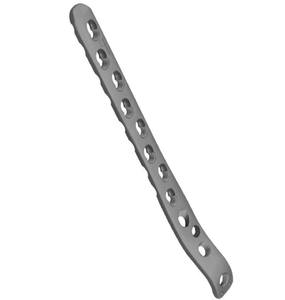
Titanium Orthopedic Implant – Manufacturer Direct, Limited Compression Surgical Implant
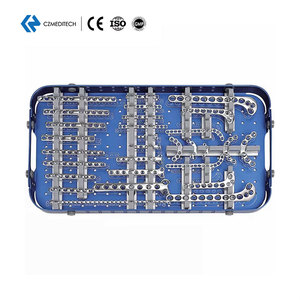
Veterinary LCP Bone Plate Kit, Animal Fracture Locking Compression Implant CE ISO Factory OEM ODM for Vet Clinics & Distributors
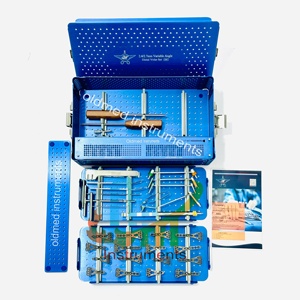
2.4/2.7mm Variable Angle Distal Radius Volar Plates Screws Instruments Orthopedic Implant Kit CE ISO Certified High Quality
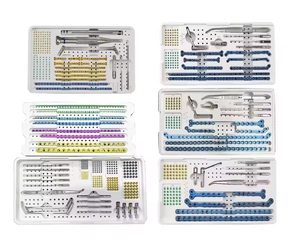
ZMD Veterinary Orthopedic Implants Kit 8.5mm Titanium Bone Plate Plasticity Orthopedic Surgical Instruments for Pet Surgery
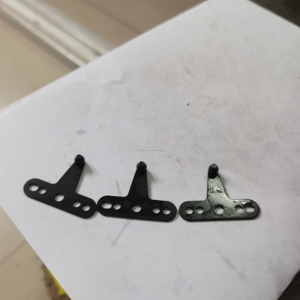
Medical Grade AM ORTHO Right Angled Titanium Orthopedic Trauma Implants Manual Power Source
Engineering Excellence in Class II Medical Device Manufacturing
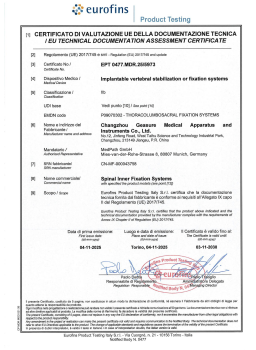
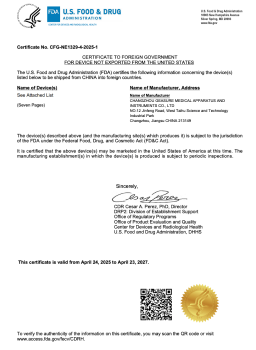
In the highly regulated orthopedic medical device sector, Class II implants (including Class IIa and Class IIb devices under EU MDR 2017/745 and US FDA 21 CFR Part 820 regulations) demand absolute biomechanical fidelity, precise material traceability, and flawless surface finish. As an established OEM/ODM orthopedic manufacturer, our factory operations synthesize state-of-the-art CNC Swiss-machining, automated electrochemical surface finishing, and validated cleanroom packaging to support global medical brands, healthcare distributors, and OEM buyers.
Contract manufacturing of orthopedic implants extends far beyond raw machining; it requires comprehensive risk management under ISO 14971, strict adherence to biocompatibility profiles (ISO 10993), and robust design history records (DHR). Whether producing complex posterior thoracolumbar spine fixation systems, anatomical variable-angle locking bone plates, cannulated intramedullary nails, or sports medicine suture anchors, our manufacturing ecosystem provides turnkey OEM/ODM solutions engineered to minimize time-to-market while satisfying regulatory inspection thresholds worldwide.
Why Leading Medical Brands Partner With Our OEM/ODM Facilities
From engineering drawing review to sterile-ready finished devices, our manufacturing infrastructure delivers structural stability, regulatory peace of mind, and commercial scalability.
5-Axis Swiss CNC Machining
High-precision multi-axis turning and milling centers capable of maintaining ultra-tight tolerances (±0.005mm) for complex pedicle screw threads, cannulated nails, and miniature CMF plates.
Type II Anodization & Surface Treatment
Automated electrochemical color anodizing, micro-arc oxidation (MAO), electropolishing, and passivation to enhance surface fatigue resistance, friction performance, and color-coded surgical identification.
Full Material Metallurgical Control
We source strictly certified medical-grade metals and polymers, including Ti-6Al-4V ELI (ASTM F136), pure titanium (ASTM F67), 316L stainless steel (ASTM F138), CoCrMo alloys (ASTM F1537), and PEEK (ASTM F2026).
Laser Marking & UDI Traceability
Every manufactured unit undergoes high-precision fiber laser marking for catalog identification, batch/lot codes, and FDA-compliant Unique Device Identification (UDI) matrix barcode printing.
ISO Class 7/8 Cleanroom Assembly
Controlled environmental manufacturing, ultrasonic multi-stage washing, non-pyrogenic water rinse, and sterile/non-sterile pouch sealing in compliance with ISO 14644 standards.
Technical Dossier & Registration Support
Complete regulatory submission packages including Material Certificates, Biocompatibility Test Reports, Mechanical Static/Fatigue Test Data, and Instructions for Use (IFU).
5-Axis Machining • Quality Inspection • Passivation
Rigorous Quality Assurance & Metrology Validation
Quality control is integrated into every step of our manufacturing workflow. From raw titanium bar stock microstructural verification to coordinate measuring machine (CMM) automated dimensional checks, we maintain absolute lot-to-lot consistency.
- ✓ Optical Comparators & 3D CMM Automated Profiling
- ✓ Static Torsion & Bending Fatigue Testing (ASTM F543 / F1717)
- ✓ Particle & Endotoxin Bioburden Analysis for Sterile Packaging
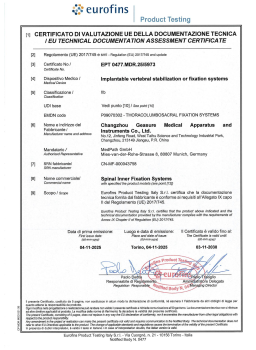
Biocompatible Materials & Regulatory Standard Specifications
Selecting the appropriate alloy or polymer formulation is essential to ensuring osseointegration, preventing galvanic corrosion, and maintaining mechanical fatigue thresholds.
| Material Category | Standard Specification | Clinical & Product Applications | Biomechanical Advantage |
|---|---|---|---|
| Titanium Alloy (Ti-6Al-4V ELI) | ASTM F136 / ISO 5832-3 | Pedicle Screws, Cannulated Nails, Volar Locking Plates | Superior strength-to-weight ratio, extra low interstitial content for enhanced fracture toughness. |
| Commercially Pure Titanium (CP-Ti) | ASTM F67 / ISO 5832-2 | CMF Micro/Mini Plates, Titanium Mesh, Reconstruction Plates | High ductility allowing surgeons intraoperative contouring without mechanical micro-fracturing. |
| Stainless Steel (316LVM) | ASTM F138 / ISO 5832-1 | Trauma Bone Plates, External Fixation Schanz Pins, Instruments | Vacuum melt refined, exceptionally high tensile yield strength and proven economic reliability. |
| Polyether Ether Ketone (PEEK) | ASTM F2026 | Interbody Fusion Cages (TLIF, PLIF, ALIF), Suture Anchors | Radiolucent under X-ray/CT, elastic modulus closely matching human cortical bone to reduce stress shielding. |
| Cobalt-Chromium-Molybdenum (CoCrMo) | ASTM F1537 / ISO 5832-12 | Femoral Heads, Total Knee Arthroplasty Femoral Components | Exceptional tribological wear resistance and mirror-polished surface finish for dynamic joint articulation. |
| UHMWPE / Cross-linked PE | ASTM F648 / ISO 5834-2 | Acetabular Liners, Tibial Knee Inserts | Low-friction articulating bearing surface engineered to minimize osteolysis-inducing wear debris. |
Future Outlook: Global Procurement Trends in Class II Medical Devices (2025–2035)
As health system purchasing models evolve, contract buyers and distributors must align with key technological and regulatory shifts reshaping the orthopedic supply chain.
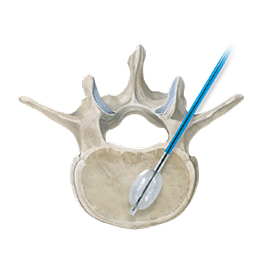
1. Shift Toward Minimally Invasive Surgical (MIS) Systems
Procurement demand is rapidly migrating from traditional open-incision implant sets to minimally invasive delivery platforms. Disposable kyphoplasty kits, percutaneous pedicle screw systems, and arthroscopic sports medicine instruments require contract manufacturers to provide ultra-precise cannulated geometry and single-use sterile packaging options.
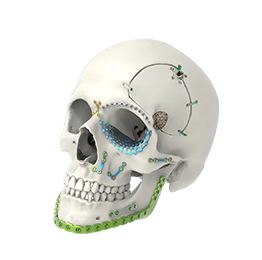
2. Regulatory Consolidation & Supply Chain Resilience
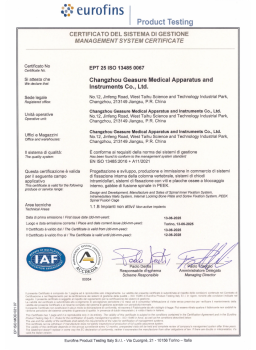
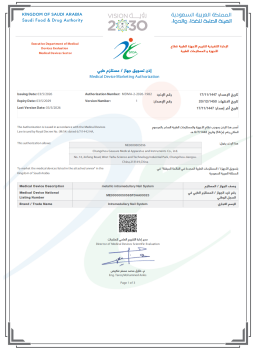
With the stringent enforcement of EU MDR and rising registration hurdles across Asia and Latin America, global distributors are shifting away from uncertified suppliers toward ISO 13485-certified OEM partners with comprehensive technical files, validated testing, and long-term regulatory continuity.
3. Rise of Pre-Sterilized Procedure-Ready Kits & Custom OEM Branding
Hospitals and surgery centers increasingly favor procedure-specific implant kits over bulk tray sterilizations. Contract manufacturing partners must offer full OEM private labeling—from customized anodization colors and laser-etched branding to pre-validated blister packaging—allowing brands to capture market share faster with lower inventory carrying costs.
The Turnkey OEM/ODM Contract Manufacturing Roadmap
Our standardized six-stage manufacturing architecture ensures seamless transfer from engineering concepts or sample reverse-engineering to validated mass production.
Design & Drawing Review
Engineering evaluation of 3D CAD/CAM models, tolerance stacks, material specifications, and surgeon usability feedback.
Prototype & Tooling
Rapid CNC prototyping and tool setup to evaluate mechanical geometry, surface tactile feedback, and initial instrument fit.
Mechanical Testing
Conducting static strain, pull-out, and dynamic fatigue testing per ASTM/ISO specifications to substantiate technical dossiers.
Precision Manufacturing
Swiss lathe turning, multi-axis milling, thread rolling, passivation, and surface color anodization under ISO 13485 QMS.
Laser Marking & Packaging
Custom brand laser etching, UDI barcode printing, cleanroom ultrasonic cleaning, and primary pouch/blister sealing.
Regulatory Logistics
Complete export documentation package delivery, including Certificate of Analysis (CoA), material mill certs, and shipping manifests.
Frequently Asked Questions by OEM Buyers & Distributors
Clear answers regarding class II orthopedic device compliance, contract terms, minimum order quantities, and technical registration support.
Partner With a Premier OEM/ODM Orthopedic Manufacturer
Whether expanding an established orthopaedic portfolio, initiating private label registration, or tendering for hospital procurement contracts, our engineering export team is ready to review your specifications and issue a competitive quote within 24 hours.