Core Featured OEM/ODM Orthopaedic Implants & Systems
Explore our standard and private-label orthopaedic surgical systems. Engineered with medical-grade titanium alloy and stainless steel, every implant undergo rigorous quality assurance for global regulatory approval.
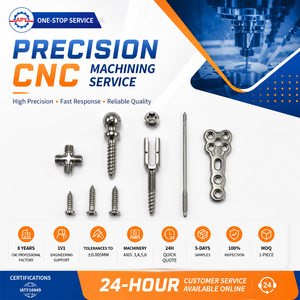
Precision CNC Machined Orthopedic Implants Titanium Bone Screws Spinal Fixation Parts OEM Custom Medical Components Manufacturer
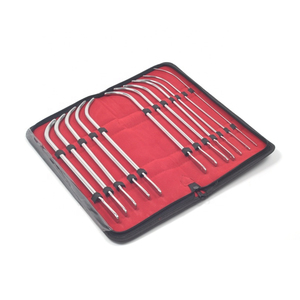
Orthopedic Surgical Implants L-Plate 6 Holes Thick Orthognathic Stainless Steel Manual High-quality Clinic Use
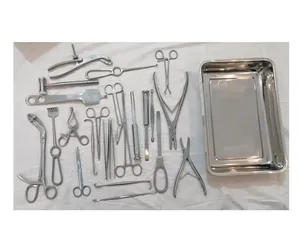
High Quality Orthopedic Surgical Instruments Set Dental Implant Kit Manual 13pcs/18pcs/26pcs CE Certified Durable
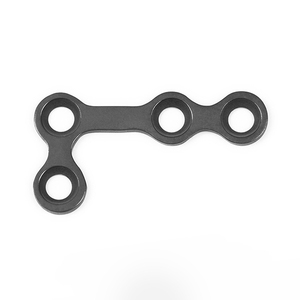
Orthopedic Implant Solutions Advanced Veterinary Fracture Repair Systems Hot Sale Surgical Orthopedic Implants with Cheap Price
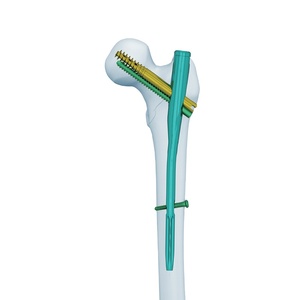
CZMEDITECH CE/ISO13485 Certified Class III Best-Selling High Quality Hospital Use Titanium Alloy Orthopedic Implant Model 1100 1
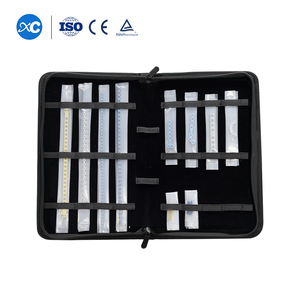
High Quality XC Medico Pet Orthopedic Implant AO/Stem System Sample Pack Stainless Steel Ti CE Certified Class III Model
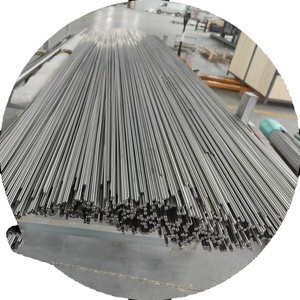
Titanium bar Grade 5 Eli Orthopedic Implants 3mm 4mm 5mm Dental Surgical Implant Price Per kg
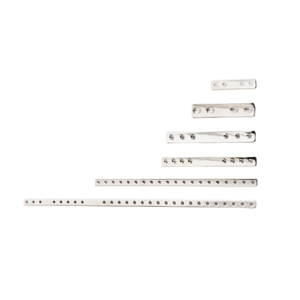
Fast Shipping MEDICA Brand CE Certified Stainless Steel Veterinary Orthopedic Trauma Implants 2.0/2.4/2.7mm Straight Neutral
Strategic OEM/ODM Manufacturing: Redefining Quality in Medical Implants
In the highly regulated, precision-driven sector of global medical device manufacturing, securing a dependable, technically proficient OEM/ODM orthopaedic implants supplier is paramount for hospital procurement teams, regional distributors, and medical brands. The modern orthopaedic surgical landscape demands implants that deliver uncompromising biomechanical stability, long-term biocompatibility, and flawless surgical hand-feel. As an established industry leader, Orthomanufacturer Medical Co., Ltd bridges the gap between complex engineering concepts and sterile, clinically ready implant systems.
Operating under strict ISO 13485 quality management systems, our manufacturing facilities integrate multi-axis Swiss CNC machining, automated surface treatments, micro-deburring, and ISO Class 7 cleanroom packaging. By systematically eliminating component tolerances mismatch between implants and surgical instruments, we allow global distributors to register, tender, and commercialize complete surgical lines with absolute commercial and regulatory confidence.
5-Axis Micro Precision
Utilizing Japanese Star and Citizen Swiss CNC lathes, we produce complex geometries, dual-lead threads, and cannulations with repeatability down to ±0.005mm.
Certified Implant Alloys
Direct sourcing of certified ASTM F136 Ti-6Al-4V ELI, ASTM F138 316L Stainless Steel, and ASTM F2026 PEEK ensures structural integrity and zero cytotoxic risks.
Turnkey Regulatory Files
From custom laser marking (UDI compliance) to STED technical documentation support for CE MDR and FDA 510(k), we simplify market entry.
Comprehensive OEM/ODM Orthopaedic System Portfolios
Our turnkey OEM and ODM capabilities span eight core clinical disciplines. Each product family is developed as an integrated system—pairing precision implants with ergonomically validated surgical instrument sets and anodized sterilization trays.
- Spine Fixation Systems: Comprehensive posterior thoracolumbar pedicle screw systems (mono-axial, poly-axial, uni-planar, MIS cannulated), anterior cervical plates, cross-links, occipitocervical devices, and radiolucent PEEK interbody fusion cages (PLIF, TLIF, ALIF).
- Anatomical Locking Plate Systems: Pre-contoured titanium and stainless steel plates engineered for anatomical fit across upper and lower extremities. Features combination locking/cortical holes, low-profile screw heads, and specialized distal radius, proximal humerus, and tibial plateau fracture sets.
- Intramedullary Nail Systems: Advanced cannulated nails for femoral, tibial, and humeral fracture fixation. Designed with dynamic and static locking options, accompanied by precision carbon-fiber aiming arms for error-free distal targeting under fluoroscopy.
- Sports Medicine & Soft Tissue Repair: High-performance bio-absorbable and titanium suture anchors, PEEK interference screws, cortical buttons, and specialized arthroscopic instrumentation for ACL/PCL reconstruction and rotator cuff repair.
- Cranio-Maxillofacial (CMF) Fixation: Low-profile micro (1.5mm) and mini (2.0mm/2.4mm) titanium plates, 3D reconstruction mesh, orthognathic L-plates, and self-drilling bone screws fabricated from pure titanium (ASTM F67) for superior malleable contouring.
- Joint Arthroplasty & Prostheses: Cemented and cementless total hip and knee replacement systems. Components forged from Cobalt-Chromium-Molybdenum (CoCrMo ASTM F1537) paired with ultra-high-molecular-weight polyethylene (UHMWPE ASTM F648) bearing surfaces.
- External Fixation Systems: Modular unilateral, bilateral, hybrid, and Ilizarov ring fixators for damage-control trauma, open fractures, limb lengthening, and pediatric deformity correction.
- Surgical Power Tools & Veterinary Orthopedics: Autoclavable, battery-operated orthopedic drills, oscillating saws, and reamers, alongside dedicated veterinary fracture repair sets (AO/Stem micro and mini systems).
Biocompatible Implant Material Specifications & Standards Matrix
Material traceability and physical performance criteria are non-negotiable prerequisites during regulatory registration and tender submissions. The table below outlines our standard implant-grade materials:
| Material Designation | International Standard | Biomechanical Profile | Primary Clinical Applications |
|---|---|---|---|
| Ti-6Al-4V ELI (Grade 23) | ASTM F136 / ISO 5832-3 | Ultra-high fatigue strength, low elastic modulus (110 GPa), bio-inert, non-magnetic. | Pedicle screws, spinal rods, intramedullary nails, locking bone plates, suture anchors. |
| Commercially Pure Titanium (CP-Ti) | ASTM F67 / ISO 5832-2 | High ductility and workability; easily contoured intra-operatively without stress fracturing. | CMF micro/mini plates, 3D cranial mesh, low-load trauma osteotomy plates. |
| Stainless Steel 316LVM | ASTM F138 / ISO 5832-1 | Vacuum arc remelted (VAR) steel; superior tensile strength, high corrosion resistance after passivation. | Trauma plates, bone screws, Schanz pins, external fixation rods, surgical tools. |
| CoCrMo Alloy | ASTM F1537 / ISO 5832-12 | Exceptional hardness, low articulation friction, superior wear resistance against polymers. | Femoral heads, total knee femoral components, spinal motion preservation discs. |
| PEEK Optima | ASTM F2026 | Radiolucent (CT/MRI compatible), bone-like elastic modulus (3.6 GPa) reducing stress shielding. | Interbody spinal fusion cages (PLIF/TLIF/ALIF), suture anchors, interference screws. |
| UHMWPE | ASTM F648 / ISO 5834-2 | High impact strength, self-lubricating surface, extremely low volumetric wear rate. | Total hip acetabular liners, total knee tibial inserts, glenoid components. |
Global Orthopaedic Implant Industry Development Trends
The orthopaedic device landscape is undergoing a structural transformation driven by aging global demographics, advancements in materials science, and increasing demand for minimally invasive surgery (MIS). Suppliers and manufacturers who adapt to these technological vectors provide strategic advantages to their distribution partners.
1. Additive Manufacturing & Porous Trabecular Structures
Traditional solid titanium implants are rapidly yielding market share to 3D-printed additive manufacturing techniques (Selective Laser Melting - SLM / Electron Beam Melting - EBM). By engineering stochastic porous titanium surfaces that replicate natural cancellous bone architecture (60-80% porosity, 300-500µm pore size), modern implants promote rapid osseointegration and bone ingrowth, eliminating the need for plasma-sprayed coatings that carry delamination risks.
2. Bioactive & Antibacterial Surface Modifications
Infection management remains a primary concern in trauma and revision surgeries. Industry R&D is focused on advanced functionalized surfaces: hydroxyapatite (HA) nano-coatings, anodized Type II/III titanium oxide layers, and silver-ion/copper-ion doped antimicrobial surfaces. These modifications significantly accelerate osteoblast proliferation while preventing bacterial adhesion and biofilm formation on implant surfaces.
3. Transition to PEEK Composites & Bio-absorbable Biomaterials
While titanium remains dominant in load-bearing trauma and spine application, bio-absorbable polymers (PLGA, PLLA) and bio-absorbable magnesium alloys are gaining traction in sports medicine and craniomaxillofacial reconstruction. Simultaneously, Carbon-Fiber-Reinforced PEEK (CFR-PEEK) is increasingly specified for trauma plates and intramedullary nails, offering radiolucency for unimpeded radiological oncological follow-up and zero artifact distortion under MRI.
4. Minimally Invasive Surgery (MIS) & Smart Instrument Ecosystems
Surgical techniques are prioritizing smaller incisions, reduced soft-tissue disruption, and faster postoperative recovery. Consequently, implant manufacturers must develop paired MIS delivery instruments—such as extended-tab cannulated pedicle screws, percutaneous intramedullary aiming devices, and expandable interbody cages—alongside navigation-ready and robotic-compatible instrument interfaces.
Future Procurement Trends for Global Medical Device Buyers
Navigating global healthcare procurement requires balancing acquisition costs against regulatory compliance, supply chain continuity, and product reliability. Sourcing directors are adopting sophisticated procurement strategies to remain competitive:
Shift from Transactional Purchasing to Strategic ODM Co-Development
Leading medical distributors are moving away from buying off-the-shelf white-label items. Instead, they collaborate with contract manufacturers on Original Design Manufacturing (ODM). By co-developing proprietary implant geometries tailored to regional surgeon preferences—such as Asian-specific anatomical bone plates or European low-profile spine profiles—distributors build strong market defensibility.
Mitigating EU MDR (2017/745) & Global Regulatory Bottlenecks
The implementation of the European Union’s Medical Device Regulation (MDR 2017/745) has escalated technical documentation standards worldwide. Buyers are auditing suppliers for full technical documentation readiness (STED format), biocompatibility testing (ISO 10993), mechanical fatigue testing reports (ISO 14801 / ASTM F543), and clinical evaluation reports (CER). Sourcing from manufacturers with mature regulatory infrastructure drastically reduces registration timelines in target countries.
Total Cost of Ownership (TCO) & Risk Optimization Matrix
Unit price is merely a fraction of the total procurement cost. Sophisticated buyers factor in potential hidden losses caused by instrument-implant tolerance mismatch, high defect rates, long manufacturing lead times, and unannounced design modifications. Partnering with a manufacturer offering 100% optical CMM dimensional inspection, lot-by-lot laser marking, and guaranteed spare parts compatibility eliminates costly operational downtime.
End-to-End OEM/ODM Custom Product Development Workflow
To ensure a smooth transition from preliminary concept to sterile, commercialized implant, Orthomanufacturer Medical operates a structured 5-stage custom manufacturing workflow:
DFM & CAD Review
Evaluation of customer 3D models (STEP/IGES) or physical samples. Design for Manufacturability (DFM) analysis to optimize tolerances and CNC tool paths.
Prototype Validation
Rapid production of prototype samples. Rigorous dimensional check, surface finish inspection, and mechanical strength screening.
Tooling & Pilot Batch
Precision jig and fixture manufacturing. Small pilot production batch to validate process capability indices (Cpk) and instrument mating performance.
Mass Production & QC
Automated 5-axis CNC machining, ultrasonic cleaning, micro-anodizing, UDI laser etching, and 100% CMM visual inspection under ISO 13485 controls.
Frequently Asked Questions (FAQ) for Global Buyers
Find answers to common questions regarding regulatory compliance, OEM capabilities, raw materials, and ordering procedures.
What full product categories does Orthomanufacturer Medical support for OEM/ODM? +
What technical documentation and certificates are provided for local product registration? +
Can we customize laser marking, catalog branding, and packaging? +
How do you control quality and lot traceability throughout the production cycle? +
Is it possible to request physical samples for surgeon evaluation prior to bulk contract signing? +
What are your standard manufacturing lead times for OEM/ODM orders? +
Ready to Scale Your Orthopaedic Product Portfolio?
Partner with a certified OEM/ODM manufacturer capable of turning your technical requirements into market-ready, registered surgical systems. Contact our engineering and export team today.
Send an Inquiry