Featured Orthopedic Systems & Surgical Fixation Products
Directly manufactured under rigorous ISO 13485 and CE standards. Explore our core surgical implants, specialized veterinary locking plates, and custom precision components.
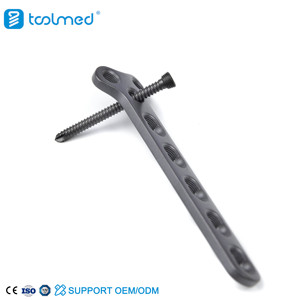
T Type Locking Plate Veterinary Orthopedic Surgical Surgery Implant for Animal Surgery
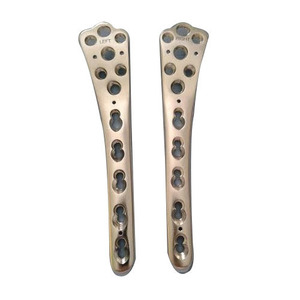
Basis Surgical Veterinary Distal Femur Plates 5.0mm Set 10pcs OEM L5/R5 Stainless Steel
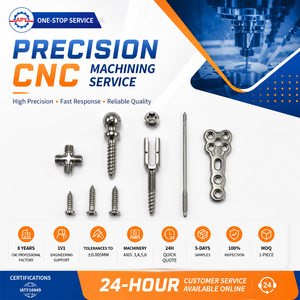
Precision CNC Machined Orthopedic Implants Titanium Bone Screws Spinal Fixation Parts
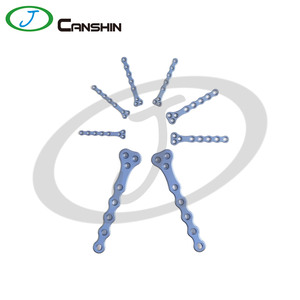
Veterinary Orthopedic Surgery Implant T Type Reconstruction Locking Plate Pure Titanium
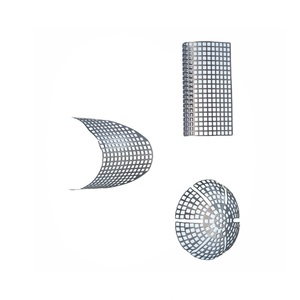
Competitive Price Titanium Alloy Material MESH Orthopedic Implants for Hospital
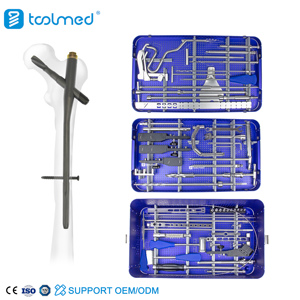
Orthopedic Implant PFNA Femoral Intramedullary Nail System with Instrument Set
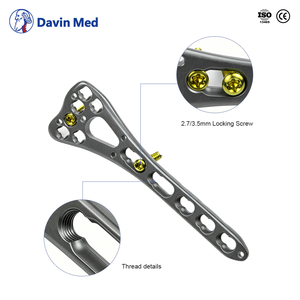
Titanium Distal Radius Locking Plate System with Screws Kit 2.4mm Wrist Fixation
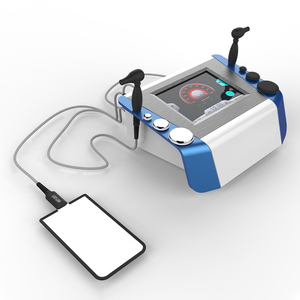
Orthotic Physiotherapy Equipment Scan Machine & Leg Physiotherapy Machine
1. Technical Executive Summary: Sourcing OEM/ODM Orthopedic Implants in a Regulated Market
The global market for orthopedic trauma, spine, joint, and veterinary implants demands stringent compliance with biocompatibility, biomechanical fatigue life, and metallurgical integrity standards. Selecting a qualified OEM/ODM orthopedic implant supplier is no longer merely a pricing evaluation—it is a critical supply-chain decision that directly influences surgical outcomes, brand equity, and regulatory registration approval.
Modern orthopedic contract manufacturing requires complete alignment across raw material procurement (ASTM F136, ASTM F138, ASTM F2026), 5-axis high-speed CNC Swiss-turning machining, electrochemical surface passivations, and sterile-ready cleanroom packaging. Contract manufacturers must mitigate risks associated with intraoperative failure, stress shielding, thread galling, and instrument-implant tolerance stack-up.
2. Material Standard Specifications & Biomechanical Metallurgy
Implant longevity hinges on selecting the proper biomaterial grade. At Orthomanufacturer Medical Co., Ltd, every bar stock lot undergoes spectrographic chemistry validation, grain size evaluation, and mechanical tensile testing prior to machining release.
| Material Standard | Material Type | Yield Strength (MPa) | Typical Orthopedic Applications | Key Engineering Characteristics |
|---|---|---|---|---|
| ASTM F136 | Ti-6Al-4V ELI (Titanium) | ≥ 795 MPa | Pedicle screws, locking plates, PFNA nails | Extra Low Interstitial grade; superior fatigue resistance and biomechanical biocompatibility. |
| ASTM F67 | Commercially Pure Ti (Grades 1-4) | 240 – 480 MPa | CMF mini-plates, reconstructive mesh | High ductility allows intraoperative hand bending without micro-fracturing plate webbing. |
| ASTM F138 | 316L Stainless Steel | ≥ 690 MPa | Veterinary plates, trauma pins, fixators | High density & modulus; cost-effective structural rigidity for veterinary & temporary fixation. |
| ASTM F2026 | PEEK (Polyetheretherketone) | ≥ 93 MPa | Interbody spinal cages, sport medicine anchors | Radiolucent under X-ray/CT; elastic modulus matching human cancellous bone to prevent stress shielding. |
| ASTM F1537 | CoCrMo Alloy | ≥ 827 MPa | Total joint prostheses, bearing surfaces | Extreme hardness, wear resistance, and polished low-friction coefficient for articulating surfaces. |
3. Enterprise Manufacturing Capabilities & Quality Architecture
Our manufacturing complex incorporates multi-axis CNC Swiss automatic lathes, high-speed 5-axis vertical machining centers, wire-cut EDM, and automated surface treatment pipelines specifically calibrated for medical hardware.
Sub-Micron Machining Precision
Machining tight tolerances (down to ±0.005mm) ensures perfect thread pitch engagement, avoiding internal screw stripping during orthopedic compression.
Biocompatible Surface Anodizing
Type II electrolytic anodizing and Type III hard anodizing enhance corrosion resistance while color-coding implants for rapid intraoperative size identification.
Full Lot Traceability & UDI Etching
100% laser marking of unique batch identifiers, part numbers, and size codes directly onto implants, ensuring complete medical device chain-of-custody.
4. Strategic Procurement Trends in Global Orthopedic Implant Supply Chain
The orthopedic supply chain is undergoing structural shifts driven by regulatory tightening (CE MDR, FDA 510k transfer audits) and geopolitical diversification. B2B procurement leaders are adopting three primary strategic frameworks:
- Vendor Consolidation & Turnkey System Sourcing: Importers are shifting away from piecemeal sourcing (buying screws from one vendor and locking plates from another). Procuring matched implant-instrument sets eliminates functional liability risks.
- Private-Label Customization (OEM to ODM Progression): Overseas distributors are requesting specialized anatomical contours tailored to regional patient demographics (e.g., lower distal radius volume profiles for Asian or Latin American patient cohorts).
- Regulatory Technical Dossier Support: Manufacturers must provide turnkey STED (Summary Technical Documentation), ISO 10993 cytotoxicity test reports, and biocompatibility verification to accelerate local product registration.
5. Technological Innovations & Future Development Roadmap
The next decade of orthopedic implant design will be dictated by material science advances and digital surgical integration:
A. Additive Manufacturing & 3D Porous Titanium Structures
Direct Metal Laser Sintering (DMLS) and Electron Beam Melting (EBM) enable the creation of stochastic porous titanium structures mimicking natural trabecular bone structure. These implants promote rapid intraoperative osseointegration and micro-interlocking without surface coatings.
B. Bioabsorbable Polymers & Magnesium Alloys
In sports medicine and pediatric trauma, bioabsorbable screws (PLLA, PLGA, and high-purity Mg-Zn-Ca alloys) are replacing permanent metallic hardware. These implants gradually degrade into harmless metabolic byproducts as native bone heals, eliminating secondary removal procedures.
C. Smart Sensor-Embedded Implants
Integration of micro-strain sensors into spinal rods and hip stems facilitates real-time postoperative telemetry, allowing orthopedic surgeons to monitor bone fusion and detect micro-motion early during patient rehabilitation.
6. Frequently Asked Questions (FAQ) for OEM/ODM Buyers
What documents and technical dossiers are provided to support local regulatory registration?
How do you handle custom OEM design prototyping and drawing validation?
What is the typical Minimum Order Quantity (MOQ) for private-label production?
How do you prevent intraoperative thread galling between locking screws and locking plates?
Can you manufacture matched surgical instruments alongside implants?
What is your production lead time and export delivery capability?
Request a Custom OEM Manufacturing Quote & Technical Dossier
Partner with a reliable, engineering-focused orthopedic implant manufacturer. Contact our export engineering team today to review drawings, evaluate samples, or negotiate distribution territories.
Send an Inquiry