Certified Orthopedic Implants & Surgical Toolkits
High-precision orthopedic solutions engineered with medical-grade titanium, cobalt-chrome, and PEEK alloys. Full raw material lot traceability and laser-etched UDI tracking certified for hospital deployment.
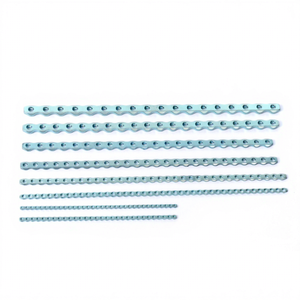
Small Animal Titanium Orthopedic Implant Alps Reconstruction Locking Plate Class III for Veterinary Bone Surgery CE Certified
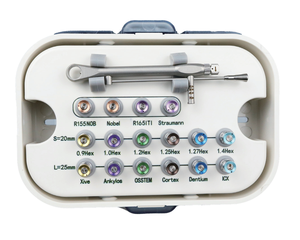
Orthocare Electric Dental Handpiece Surgical Implant Tool Box with CE Certificates for Hospital Use
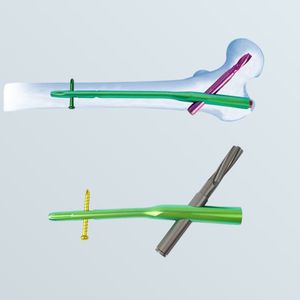
Premium Pfna Intramedullary Nail Wholesale Orthopedic Implant for Femur Intertrochanteric Bone Fracture
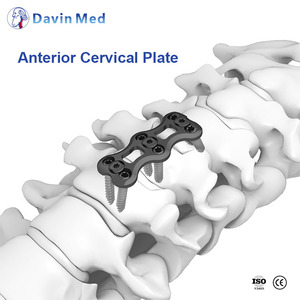
CE ISO Anterior Cervical Plate System Titanium Alloy Spine Implants Orthopedic Surgical Instruments for Cervical Fusion Surgery
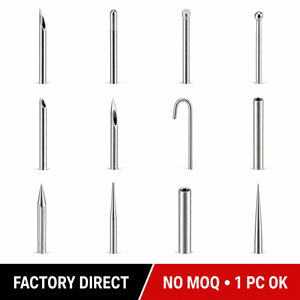
Micro Bone Screw Titanium Medical Grade Swiss CNC Machined Orthopedic Screw Component Custom OEM
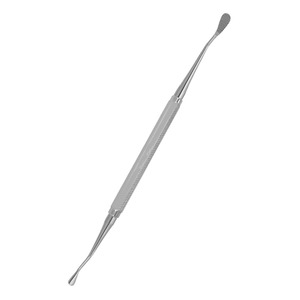
Manual Stainless Steel Bone File Miller Dental Instruments for Orthopedic Surgery Implantology Scraper High Quality CE Certified
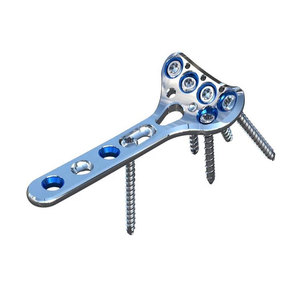
Medical Instruments Bone Surgical Kit Orthopedic Implants High Quality Orthopedic Surgical Spine Implants
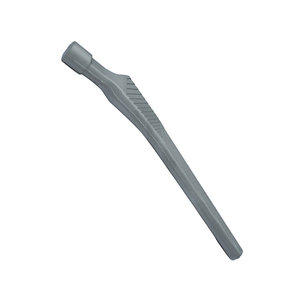
High Quality Forged Ti6Ai4V Hip Joint Prosthesis Orthopedic Implant ISO 13485 Certified Customized Size HKXN Brand
1. Technical Framework: Full-Lifecycle Traceability in Medical Device Manufacturing
In modern orthopedic manufacturing, traceability is not merely a regulatory mandate—it is the bedrock of patient safety and quality control. As a leading OEM/ODM orthopedic implant manufacturer and exporter, Orthomanufacturer Medical Co., Ltd. operates under strict compliance with global quality frameworks including ISO 13485:2016, US FDA 21 CFR Part 820 (QMSR), and EU Medical Device Regulation (MDR 2017/745).
Full-chain traceability guarantees that every implantable component—from pedicle screws and intramedullary nails to trauma locking plates and total hip joint prostheses—can be mapped backward to its exact mill heat lot, Swiss CNC machining center workstation, anodizing passivation bath, fiber laser marking operator, and packaging cleanroom environment.
Raw Material Metallurgical Control
Every titanium bar (Ti-6Al-4V ELI per ASTM F136), pure titanium (ASTM F67 Grade 2/4), stainless steel (ASTM F138 316L), and PEEK polymer (ASTM F2026) undergoes spectral analysis, grain structure verification, and ultrasonic defect testing upon arrival.
UDI Fiber Laser Etching
Direct Part Marking (DPM) utilizes ultra-short pulse fiber laser engravers to etch high-density GS1-compliant 2D DataMatrix codes, product GTINs, batch numbers, and expiry dates without compromising material fatigue limit or bio-passivation integrity.
Sterilization & Cleanroom Protocol
All finished standard and custom implants are cleaned via automated multi-frequency ultrasonic washing systems, dried under HEPA filtration, and sealed in ISO Class 7 cleanrooms compatible with Gamma irradiation or Ethylene Oxide (EtO) sterilization.
Technical Matrix: Materials, Standards, and Traceability Verification
| Implant System | Material Specification | International Standard | Traceability Identifiers | Biocompatibility Protocol |
|---|---|---|---|---|
| Posterior Spine & Cervical Plates | Ti-6Al-4V ELI Titanium Alloy | ASTM F136 / ISO 5832-3 | Laser DPM / GS1 DataMatrix / Mill Heat Lot | ISO 10993 Cytotoxicity & Sensitization |
| Intramedullary Nails (PFNA / Tibial) | Forged Ti-6Al-4V ELI / 316L SS | ASTM F136 / ASTM F138 | Unique Device Identifier (UDI) / Work Order ID | Corrosion Passivation per ASTM F86 |
| Anatomical Locking Plates | Commercially Pure Ti / Ti-Alloy | ASTM F67 / ISO 5832-2 | Color Anodized Size Code + Batch Engraving | Mechanical Fatigue Life per ASTM F382 |
| Interbody Spinal Cages | PEEK Optima / Titanium Mesh | ASTM F2026 / ISO 13782 | X-Ray Tantalum Marker Code / Digital Lot File | Radiolucent Bone Density Matching |
| Joint Arthroplasty (Hip/Knee) | CoCrMo Alloy / UHMWPE / Ti6Al4V | ASTM F1537 / ASTM F648 | Forging Die Heat Code & Serialized Sizing | Joint Wear Simulation per ISO 14242 |
2. Future Procurement Trends: Strategic Insights for Orthopedic Distributors & Hospital Buyers
The global orthopedic implants market is undergoing a seismic shift driven by advancing surgical techniques, aging demographic pressures, and tighter regulatory frameworks across Europe, North America, Latin America, and the Asia-Pacific region. For hospital procurement managers, medical device importers, and private-label distributors, selecting an OEM/ODM partner with robust manufacturing infrastructure and supply chain resilience is crucial.
Key Market Drivers & Contract Manufacturing Evolution
Recent industry analyses highlight four central trends shaping the orthopedic procurement landscape over the next decade:
- Shift Toward Integrated Instrument-Implant Systems: Single-use or matched instrument toolkits supplied directly alongside locking plates and spine implants are replacing fragmented vendor models to minimize intraoperative errors.
- Additive Manufacturing & 3D Porous Structures: Electron Beam Melting (EBM) and Direct Metal Laser Sintering (DMLS) enable custom ODM production of trabecular porous bone interfaces that accelerate osseointegration compared to traditional plasma spray coatings.
- Digital Supply Chain Auditability & Regulatory Dossiers: Global distributors are prioritizing manufacturers who provide turnkey technical documentation (Design History Files, Risk Management Files per ISO 14971, and Clinical Evaluation Reports) to streamline local health authority approvals.
- Veterinary & Specialty Implants Expansion: Small animal orthopedic surgery is experiencing double-digit annual growth, creating vast opportunities for specialized micro-locking reconstruction plates and lightweight titanium repair systems.
3. Industry & Product Development Trends: Next-Generation Orthopedic Innovation
As surgical practices transition toward Minimally Invasive Surgery (MIS) and Computer-Assisted Orthopedic Surgery (CAOS), implant design must adapt to higher kinematic loads, reduced anatomical footprints, and automated tracking technologies.
Smart Sensors & Load Monitoring
Integration of micro-MEMS telemetry sensors inside intramedullary nails and hip stems allows surgeons to monitor real-time bone healing, load distribution, and early micro-motion post-surgery.
Surface Functionalization & Antibacterial Coatings
Bio-active silver nanoparticle coatings and hydrogel drug-eluting matrices are being engineered onto titanium locking plates to prevent surgical site infections and hospital-acquired biofilm formation.
Bioresorbable Magnesium & Polymer Alloys
Biodegradable magnesium screws and PLA-PGA bone anchors eliminate the requirement for secondary hardware removal surgeries, providing temporary mechanical stability while dissolving into natural metabolic pathways.
4. Enterprise Strengths: Why Partner with Orthomanufacturer Medical Co., Ltd.
With decades of dedicated precision manufacturing experience, Orthomanufacturer Medical Co., Ltd. serves as an end-to-end OEM/ODM contract manufacturer for global medical brand owners, hospital groups, and regional distributors.
- Advanced Swiss CNC Machining Fleet: Equipped with multi-axis Citizen and Star CNC sliding-head lathes, enabling sub-micron machining tolerances (±0.005mm) on complex thread geometries and cannulated bone drills.
- In-House Metallurgical & Mechanical Testing: Complete destructive and non-destructive testing labs performing axial static load, dynamic fatigue bending, torque-to-failure, and surface roughness (Ra) profiling per ASTM standards.
- Full Private-Label & Packaging Customization: Customized laser engraving, branded anodization colors for easy surgical size identification, custom blister packaging, and multilingual IFU (Instructions For Use) printing.
- Streamlined Regulatory & Dossier Support: Dedicated regulatory experts assist overseas partners with technical file submissions, CE mark documentation, FDA 510(k) equivalency mapping, and ISO compliance audits.
5. Frequently Asked Questions (FAQ) for OEM/ODM Buyers
Essential answers regarding quality assurance, batch traceability, custom tooling, regulatory dossiers, and order fulfillment.
How is full lot traceability maintained throughout the orthopedic manufacturing workflow?
What are the lead times and minimum order quantities (MOQs) for custom ODM implant designs?
Does laser marking compromise the corrosion resistance or fatigue strength of titanium implants?
What regulatory documentation is provided to support regional medical device registration?
Can you manufacture custom matching surgical instrument sets for proprietary implants?
Partner with a Certified Orthopedic Implant Manufacturer
Expand your product portfolio with high-precision, fully traceable orthopedic implants and matched surgical instruments. Request catalog specifications, factory audit data, or sample evaluation sets today.
Send an Inquiry