Featured Orthopedic Systems & Instrument Showcase
Explore our top-tier surgical implants and instruments, precision-engineered from biocompatible Titanium (Ti-6Al-4V ELI), PEEK, and Implant-Grade 316L Stainless Steel for global healthcare procurement.
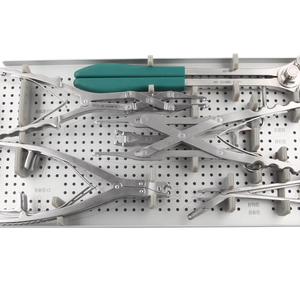
COX 6.0 Screw & Rod System Class I Implant Instruments
Ergonomic spine trauma instrument set featuring torque-limiting drivers, reduction benders, and pedicle probes manufactured for Class I spinal surgeries.
Contact Us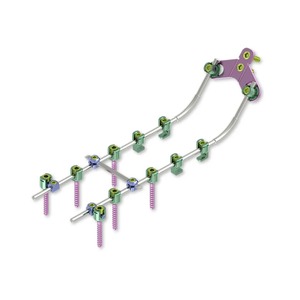
Spine Titanium Polyaxial Pedicle Screw Implant Kit
High-fatigue strength Ti-6Al-4V ELI pedicle screw systems engineered with dual-lead thread profiles for maximum pull-out force in osteoporotic bone.
Contact Us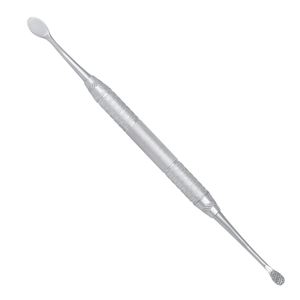
Miller Colburn Cross Cut Surgical Bone File Stainless Steel
Reusable 316L stainless steel surgical bone file with precision cross-cut serrations for smooth osteotomy deburring and bony tissue contouring.
Contact Us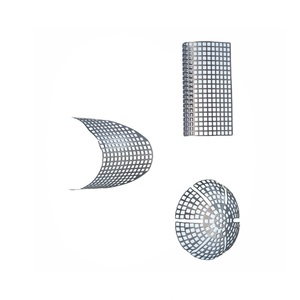
Titanium Alloy Mesh Orthopedic Structural Implants
Flexible Grade 2 & Ti-6Al-4V titanium mesh arrays designed for severe cranial, reconstructive, and acetabular defect support.
Contact Us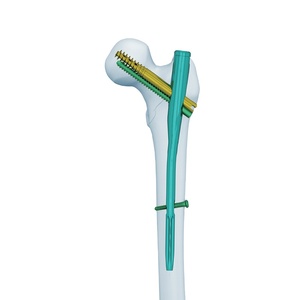
CE/ISO13485 Certified Class III Titanium Implant System
Premium Class III trauma and spinal stabilization implants with plasma-sprayed surface finishes ensuring superior biocompatibility and cellular adhesion.
Contact Us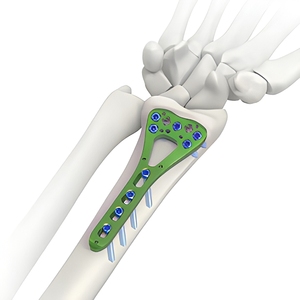
Multi-axial Locking Plate Distal Radius Trauma System
Anatomically pre-contoured distal radius pure titanium locking plates with variable-angle screw trajectory placement for complex fractures.
Contact Us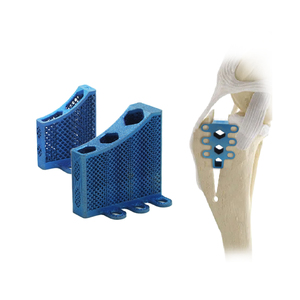
Titanium 3D TTA Implants & Instrument Veterinary Set
Advanced 3D porous titanium Tibial Tuberosity Advancement cages designed specifically for canine cranial cruciate ligament surgical repair.
Contact Us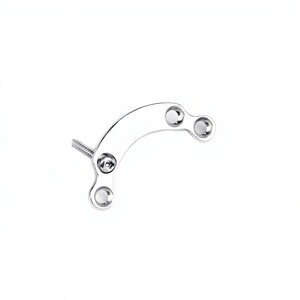
Veterinary Acetabular Plate Stainless Steel Fixation Kit
CE-certified micro-plate systems for animal fracture care, incorporating high-ductility 316L stainless steel for specialized feline/canine pelvis repair.
Contact UsExecutive Summary: The Rise of Turkey as a Global Medical OEM/ODM Hub
The global orthopedic implant market is experiencing a profound paradigm shift driven by demographic aging, an increasing incidence of osteoporotic fractures, and escalating demand for cost-effective yet premium-quality surgical solutions. Procurement directors, hospital purchasing networks, and international distributors are re-evaluating traditional Asian supply chains in favor of strategic nearshoring hubs that combine advanced metallurgical engineering with seamless regulatory alignment.
Turkey has rapidly emerged as a dominant force in high-precision OEM and ODM medical device manufacturing. Situated at the geopolitical crossroads of Europe, the Middle East, and North Africa (EMEA), Turkey offers unparalleled supply chain agility. Medical manufacturing clusters centered in Istanbul, Ankara, Samsun, and Izmir have invested heavily in state-of-the-art 5-axis Swiss-type CNC lathes, multi-axis machining centers, cleanroom packaging lines, and additive manufacturing (3D titanium printing) infrastructure.
Why Strategic Buyers Turn to OEM/ODM Suppliers in Turkey
The strategic value proposition of partnering with Turkish OEM/ODM manufacturers encompasses several vital commercial and technical advantages:
- Proximity to European & MENA Markets: Reduced transit times via overland and sea freight, shrinking lead times from months to days compared to transoceanic shipping routes.
- Customs Union with the European Union: Simplified customs protocols, duty-free trade of manufactured medical devices via ATR documentation, and harmonized quality controls.
- Rigorous Regulatory Alignment: Early adoption of EU Medical Device Regulation (MDR 2017/745) frameworks, backed by ISO 13485:2016 quality management system standards.
- Competitive Total Cost of Ownership (TCO): Highly trained biomechanical engineering talent paired with cost-competitive labor structures allows for cost efficiencies without compromising precision tolerances.
Metallurgical Standards, Biocompatibility & Manufacturing Precision
Orthopedic implants operate under extreme biomechanical loads, complex rotational forces, and corrosive biological environments. Achieving clinical success demands strict adherence to global material specifications and precision machining protocols. Leading OEM/ODM suppliers in Turkey utilize imported, certified raw materials backed by mill test certificates (MTC) verifying chemical composition and mechanical properties.
| Material Standard | Material Composition | Biomechanical Advantage | Primary Clinical Applications |
|---|---|---|---|
| ASTM F136 / ISO 5832-3 | Ti-6Al-4V ELI (Extra Low Interstitial) | Exceptional fatigue endurance, high strength-to-weight ratio, low elastic modulus minimizing stress shielding. | Spinal pedicle screws, trauma locking plates, intramedullary nails. |
| ASTM F67 / ISO 5832-2 | Commercially Pure Titanium (Grades 1–4) | Superior ductility allowing intraoperative anatomical bending; high corrosion resistance and tissue integration. | CMF micro/mini plates, cranial mesh, reconstructive trauma plates. |
| ASTM F2026 | PEEK (Polyetheretherketone) | Radiolucent (CT/MRI artifact-free), elastic modulus matching natural cortical bone (~3.6 GPa). | Interbody fusion cages (TLIF, PLIF, ALIF, Cervical spacers). |
| ASTM F138 / ISO 5832-1 | 316L Implant-Grade Stainless Steel | Cost-effective structural rigidity, excellent passivation response, high shear resistance for heavy load-bearing. | Trauma compression plates, external fixation pins, surgical instruments. |
| ASTM F1537 / ISO 5832-12 | Cobalt-Chromium-Molybdenum (CoCrMo) | Ultra-low wear coefficient, high polishability for articulating surface contact. | Total hip femoral heads, total knee tibial and femoral prostheses. |
Surface Engineering & Osseointegration Enhancements
Modern orthopedic manufacturing extends beyond geometry to advanced surface modification. Turkish OEM facilities utilize cutting-edge finishing techniques to accelerate bone ingrowth and combat implant-associated infections:
1. Plasma-Sprayed Hydroxyapatite (HA) Coatings: Applied in controlled thermal chambers, HA coatings mimic natural bone mineral chemistry (ISO 13779), encouraging rapid osteoblast attachment and secondary fixation.
2. Type II & Type III Color Anodization: Electrochemical anodization creates biocompatible titanium oxide passivation layers. Color coding (Type III) enables OR staff to instantly differentiate screw diameters and plate sizes during trauma procedures.
3. 3D Porous Trabecular Structures: Utilizing Electron Beam Melting (EBM) and Direct Metal Laser Sintering (DMLS), titanium cages and joint components are built with interconnected pore sizes (400–700 μm), replicating human cancellous architecture.
Spine Fixation Portfolios
Complete posterior thoracolumbar pedicle screw systems, MIS cannulated screws, anterior cervical plates, and PEEK interbody cages designed with unified surgical tray layouts.
Trauma & Fracture Care
Anatomical locking compression plates (LCP), proximal femoral nails (PFN), distal radius plates, and cannulated screws optimized for rapid fracture reduction.
CMF & Maxillofacial Systems
Low-profile micro (1.5mm), mini (2.0mm), and trauma (2.4mm) titanium bone plates alongside 3D customizable cranial mesh constructs.
Future Sourcing & Product Development Trends (2025–2030)
The orthopedic manufacturing landscape is transitioning rapidly into an era of digital integration, advanced materials, and patient-specific treatments. B2B procurement managers must anticipate these trends to maintain long-term competitive advantage in their regional markets.
1. Patient-Specific Implants (PSI) & Rapid Additive Manufacturing
Standard off-the-shelf implants are increasingly supplemented by patient-matched custom implants for complex oncological reconstructions, revision arthroplasty, and severe maxillofacial trauma. Turkish OEM manufacturers are establishing streamlined CT-to-3D-print workflows, converting DICOM radiological data into validated 3D-printed titanium implants within 7 to 10 working days.
2. Bioabsorbable & Bioactive Implant Materials
To eliminate secondary hardware removal surgeries, contract development is shifting toward bioabsorbable polymers (PLDLA, PLLA) and biodegradable magnesium alloys. These materials maintain sufficient mechanical integrity during primary bone healing before safely degrading into natural metabolic pathways, dramatically reducing hospital readmission rates.
3. Smart Sensor Integration & Robotic Surgical Instruments
Next-generation orthopedic implants are evolving into active diagnostic tools. Embedded micro-sensors capable of monitoring postoperative strain distribution, local temperature shifts (early infection detection), and bone consolidation rates are moving from research labs to commercial ODM pipelines. Furthermore, surgical instrument sets are being re-engineered for compatibility with robotic assistance arms and navigation tracking systems.
4. Regionalized Supply Chains & Regulatory Resiliency
Global regulatory tightening—most notably the implementation of EU MDR—has strained traditional offshore supply chains. Overseas buyers are consolidating supplier networks, favoring verified OEM/ODM partners capable of delivering full technical documentation, clinical evaluation reports (CER), and continuous post-market surveillance (PMS) compliance under a single unified roof.
Enterprise OEM/ODM Partnership & Manufacturing Workflow
Partnering with an established orthopedic manufacturer requires a clear, structured roadmap to guarantee product quality, regulatory compliance, and timely market entry. Our contract manufacturing process follows a validated six-stage engineering framework:
Phase 1: Design & DFM Review
Technical drawing transfer (CAD/STEP files), Design for Manufacturability (DFM) analysis, material selection, and tolerance optimization by experienced biomechanical engineers.
Phase 2: Prototype Validation
Rapid prototyping of titanium/stainless steel components, tactile surgical handling evaluation, coordinate measuring machine (CMM) dimensional verification, and static/dynamic fatigue testing.
Phase 3: CNC Machining & Surface Processing
High-precision multi-axis CNC lathe turning, thread whirling, electrochemical polishing, color anodizing, and laser engraving of lot control numbers.
Phase 4: Cleanroom & Regulatory Technical Files
Ultrasonic washing, cleanroom ISO Class 7 packaging (sterile blister or non-sterile double bag), IFU creation, and comprehensive technical documentation package delivery for national registration.
Frequently Asked Questions (FAQ) for Global Buyers
Get expert answers to critical technical, regulatory, and commercial queries regarding orthopedic OEM/ODM supply partnerships in Turkey.
What regulatory documentation is provided for product registration in our destination country?
What are the raw material origins and quality verification steps used for implants?
Can you manufacture custom private-label branding and custom surgical instrument trays?
What are the standard Minimum Order Quantities (MOQ) and production lead times?
How do you guarantee instrument-to-implant fit compatibility?
Can distributors request sample sets for physical evaluation before placing bulk orders?
Ready to Expand Your Orthopedic Product Portfolio?
Partner with an industry-leading OEM/ODM orthopedic implant supplier. Get technical specifications, customized tender quotes, or request an engineer-led design consultation today.
Contact Us