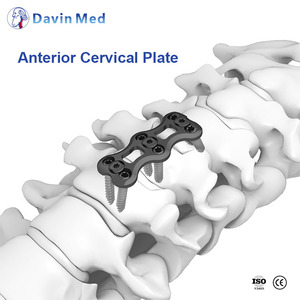
Product Showcase
Precision Medical Implants & Surgical Instruments
Explore our export-ready, CE/ISO certified spinal, trauma, joint, CMF, and sports medicine implant portfolios.
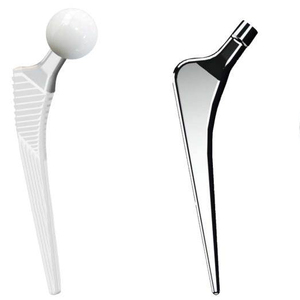
Knee Joint Prosthesis Hip System Orthopedic Implants Prosthetics Joints Endoprosthesis
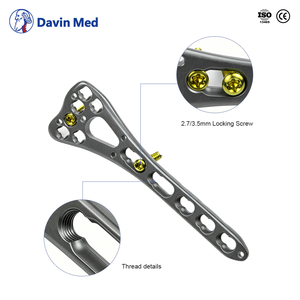
Davin Med Titanium Distal Radius Locking Plate System with Screws Kit 2.4mm Orthopedic Implant for Wrist Fracture Fixation
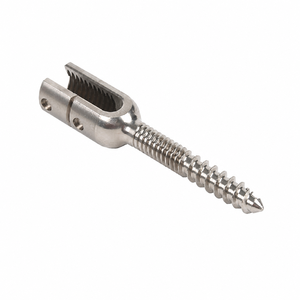
Titanium Pedicle Screw CNC Machining Service Spinal Orthopedic Bone Screw Custom Precision OEM Parts
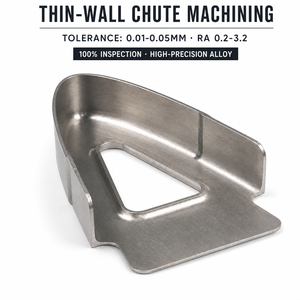
Precision Milled Parts For Dental Equipment And Implant Components Stainless Steel Machining Bulk Purchase Support
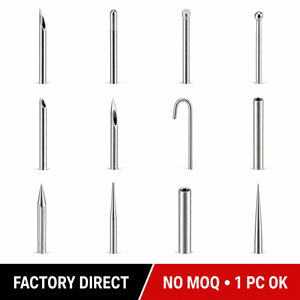
Micro Bone Screw Titanium Medical Grade Swiss CNC Machined Orthopedic Screw Component Custom OEM
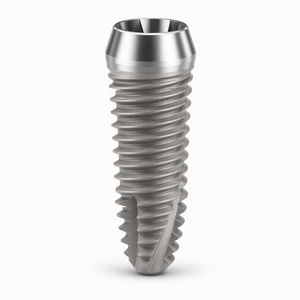
JXD Machining Precision CNC Machined Titanium Dental Implants Screw for Medical Device Surgical Spare Components 01
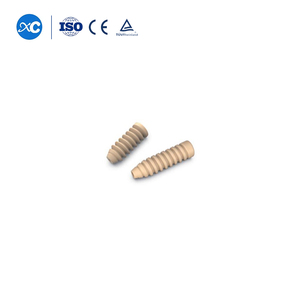
Sports Medicine Biocomposite ACL PCL Ligament Reconstruction Femoral Fixation Trauma Surgery PEEK Interference Screw
±0.005mm
Swiss CNC Thread Precision
100%
ASTM / ISO Raw Material Traceability
ISO 7 / 8
Cleanroom Packaging Standards
60+
Global Export Markets Served
Executive Industry Whitepaper
Evaluating Top China Orthopedic Implant Manufacturers & Exporters
A Data-Driven Procurement Guide for Healthcare Distributors, OEM Brands, and Hospital Supply Chain Officers
The global orthopedic implants market is undergoing a structural realignment. Driven by escalating healthcare costs in Western nations and rapid technological maturation across Asian manufacturing hubs, medical device procurement directors are increasingly looking to China as a strategic manufacturing base for spine, trauma, joint, CMF, and sports medicine devices.
However, navigating the Chinese medical manufacturing ecosystem requires a nuanced understanding of supplier tiers, quality management frameworks (ISO 13485, CE MDD/MDR, FDA 510k compliance), raw material sourcing verification, and surface engineering competencies. Selecting the right manufacturer is not merely an exercise in per-unit price negotiation—it is a long-term risk management strategy covering regulatory registration, clinical safety, dynamic fatigue performance, and instrument-implant tolerance harmonization.
| Supplier Classification | Technical Capabilities | Material Verification | Regulatory File Readiness | Ideal Procurement Intent |
|---|---|---|---|---|
| Tier-1 OEM Enterprise (e.g., Orthomanufacturer Medical) |
5-Axis Swiss CNC lathe milling, automated anodization, ISO Class 7 cleanrooms, optical CMM inspection. | ASTM F136 ASTM F67 ASTM F2026 ASTM F1537 mill certificates provided per heat lot. |
Full Technical Files (STED format), ISO 13485, CE certification, clinical literature support. | Global distributors, tender bids, private-label OEM brands seeking long-term supply stability. |
| Tier-2 Regional Manufacturers | 3/4-Axis CNC machining, manual finishing, internal QC with standard micrometer checks. | Batch testing available; raw material certified against domestic GB/T standards. | ISO 13485 certified; limited CE/FDA regulatory dossiers for emerging markets. | Price-sensitive regional hospital tenders, localized domestic distribution. |
| Contract Machining Workshops | Subcontracted milling and turning services without cleanroom assembly capabilities. | Material sourcing determined strictly by buyer specifications. | No direct regulatory documentation; operates purely as an industrial supplier. | Component-level sourcing for domestic medical device assemblers. |
Factory Superiority
Why Leading Global Brands Partner with Orthomanufacturer Medical
Combining Advanced Swiss Metallurgy Engineering with Uncompromising Quality Assurance
Swiss CNC Ultra-Precision Machining
Utilizing high-precision multi-axis Citizen Swiss CNC lathes and DMG MORI machining centers, achieving sub-micron thread tolerances (±0.005mm) for locking bone screws and pedicle screw assemblies.
100% Medical Grade Raw Material Audit
Strict raw material validation protocol. Every rod of Ti-6Al-4V ELI (ASTM F136), PEEK (ASTM F2026), and CoCrMo (ASTM F1537) undergoes spectrographic chemical analysis and tensile testing before machining.
Surface Treatment & Anodization Excellence
Proprietary Type II biological titanium anodization and color-coding passivation processes enhance fatigue resistance, reduce fretting corrosion, and provide intuitive size recognition for surgical teams.
Cleanroom Assembly & ISO 13485 Rigor
Controlled ISO Class 7 cleanroom washing, ultrasonic particle decontamination, primary packaging, and double-blister sealing ensure sterile-ready integrity for direct clinical deployment.
Turnkey OEM / Private Label Support
From initial 3D CAD modeling and prototype validation to fiber-laser lot marking, customized tray design, and local registration dossier preparation, we streamline market access for OEM partners.
Matched Instrument-Implant Systems
Eliminating driver stripping and intraoperative wobble by manufacturing matched surgical instrument sets—taps, drills, depth gauges, and screwdrivers—specifically calibrated to our implant tolerances.
Material Science Reference
Orthopedic Metallurgy & Biomaterial Specification Guide
A Technical Breakdown of Raw Biomaterials Utilized in High-Load Implant Applications
Selecting the proper biomaterial grade directly influences the mechanical safety, osseointegration capability, radiolucency, and fatigue life of orthopedic devices. The table below outlines the material standards and primary surgical indications maintained at Orthomanufacturer Medical Co., Ltd.
| Biomaterial Standard | Composition & Mechanical Profile | Primary Clinical Applications | Key Engineering Advantage |
|---|---|---|---|
Titanium Alloy Ti-6Al-4V ELIASTM F136 / ISO 5832-3 |
Extra Low Interstitial (ELI) grade; High tensile strength (>860 MPa), reduced elastic modulus compared to steel. | Pedicle screws, spinal rods, intramedullary nails, locking trauma plates, cannulated bone screws. | Superior fatigue limit, excellent biocompatibility, and minimal MRI artifact distortion. |
Commercially Pure TitaniumASTM F67 / ISO 5832-2 |
Unalloyed titanium (Grade 1–4); High ductility and intraoperative contouring capability. | CMF micro/mini plates, cranial reconstruction mesh, low-profile maxillofacial fixation. | Allows precise intraoperative bending without micro-fracturing along plate edges. |
Stainless Steel 316LASTM F138 / ISO 5832-1 |
Low carbon, high nickel-chromium austenitic stainless steel with molybdenum addition. | Trauma fracture plates, Schanz pins, external fixation frames, surgical hand tools. | High yield strength, cost-effective load bearing, and proven history in temporary fracture fixation. |
CoCrMo AlloyASTM F1537 / ISO 5832-12 |
Cobalt-Chromium-Molybdenum matrix; Exceptional hardness and wear-resistant polish. | Femoral heads, knee joint femoral components, total hip replacement endoprostheses. | Ultra-low wear rates when articulating against UHMWPE or ceramic liners in joint replacements. |
PEEK PolymerASTM F2026 |
Polyetheretherketone thermoplastic; Elastic modulus (~3.6 GPa) closely matching human cancellous bone. | Cervical interbody cages, PLIF/TLIF lumbar cages, sports medicine suture anchors, interference screws. | Radiolucent properties for effortless X-ray evaluation of bone graft fusion progress. |
UHMWPEASTM F648 |
Ultra-High-Molecular-Weight Polyethylene; Exceptional impact strength and low friction coefficient. | Acetabular cup liners, tibial knee inserts, glenoid components in shoulder replacement. | High wear resistance under complex multidirectional cyclic loading conditions. |
Market Forecast
Strategic Trends Shaping Orthopedic Procurement (2025–2030)
Navigating Next-Generation Technologies and Regulatory Standards
1. Additive Manufacturing & Porous Structures
3D-printed electron beam melting (EBM) and selective laser melting (SLM) technologies are replacing traditional plasma spray coatings. Porous titanium interbody cages with trabecular scaffold geometries encourage direct osteoblast ingrowth and biological fixation.
2. Biocomposite & Resorbable Sports Medicine
The shift toward arthroscopic ligament reconstruction favors biocomposite materials (PEEK blended with Hydroxyapatite / β-TCP). Interference screws and suture anchors gradually integrate into natural bone architecture, eliminating secondary removal surgeries.
3. Robotic Surgery & MIS Compatibility
Minimally Invasive Surgery (MIS) spine systems and navigation-guided pedicle screw kits are becoming standard. Manufacturers must provide strict geometric tolerances and low-profile cannulated designs compatible with surgical navigation systems.
OEM Collaboration Protocol
Transparent Private-Label Sourcing Workflow
A Streamlined Path from Design Engineering to Commercial Delivery
01
Design Review
Technical evaluation of customer CAD drawings, material selection, and tolerance specifications.
02
Prototyping
Rapid CNC sample milling, surface finishing, and preliminary CMM dimensional validation.
03
Mechanical Testing
Dynamic fatigue, torque, and pull-out strength testing per ASTM F1717 / ASTM F2077 protocols.
04
Cleanroom Batch Production
Controlled batch machining, automated laser lot marking, washing, and blister packaging.
05
Dossier & Logistics
Provision of raw material certs, sterilization validation data, and international export clearance.
Sourcing FAQ
Frequently Asked Questions by International Buyers
Expert Clarifications on Regulatory Documentation, MOQ, Samples, and Technical Standards
What core product portfolios does Orthomanufacturer Medical specialize in? +
We specialize in comprehensive orthopedic implant systems, including Spinal Fixation Systems (pedicle screws, cervical plates, PEEK cages), Intramedullary Nail Systems (femoral, tibial, humeral), Anatomical Locking Plate Systems, Sports Medicine Implants (PEEK/biocomposite interference screws, suture anchors), CMF Maxillofacial Fixation, Joint Prostheses (hip and knee systems), External Fixators, and Autoclavable Surgical Power Tools.
Can Orthomanufacturer Medical support private-label laser marking and custom OEM packaging? +
Yes. We offer complete private-label OEM and ODM services. This includes custom fiber-laser marking of your brand logo, lot numbers, part reference codes, custom color anodization for implants, customized sterilization tray design, and private-label blister and box packaging tailored to your target country's labeling regulations.
How do you guarantee material purity and mechanical compliance for implants? +
All raw materials are sourced strictly from accredited medical biomaterial suppliers. Every batch of Titanium alloy (ASTM F136), Stainless Steel (ASTM F138), CoCrMo (ASTM F1537), and PEEK (ASTM F2026) is accompanied by original Mill Test Certificates (MTC) detailing chemical composition and mechanical tensile limits. We also perform internal spectrographic verification before releasing raw stock to CNC machining.
What regulatory registration documents can you provide for local health authority filing? +
We provide comprehensive technical documentation packages to support distributor registration in international markets. This includes ISO 13485 Quality Management System certificates, CE Mark technical dossiers, Certificate of Free Sale (CFS), Material Data Sheets, Biocompatibility Test Reports (ISO 10993 series), Mechanical Fatigue Test Reports, Sterilization Validation Data, and Instructions for Use (IFU).
Is sample evaluation available prior to placing volume distributor orders? +
Yes. Qualified medical device distributors, tender contractors, and hospital procurement departments can request product samples to inspect machining tolerance, surface anodization quality, thread engagement, and instrument driver fit. Sample kits can be shipped via express air freight upon request.
What are your standard production lead times for bulk export orders? +
For catalog items maintained in inventory, dispatch can occur within 7 to 10 working days. For custom OEM batch manufacturing or major distributor stock orders, standard production cycles range from 30 to 45 days, depending on laser marking requirements, surface anodization scheduling, and cleanroom packaging validation.
How can international buyers initiate a quotation or engineering consultation? +
You can reach our dedicated export sales team by clicking the Contact Us button on this page. Provide your targeted product lines, estimated order quantities, and destination market requirements, and our medical device specialists will respond with complete catalog details, pricing structures, and technical support within 24 business hours.
Partner with China's Premier Orthopedic Implant Exporter
Upgrade your product portfolio with precision-engineered spinal implants, anatomical trauma plates, joint prostheses, and sports medicine devices. Fast-track your local market registration with complete technical support.