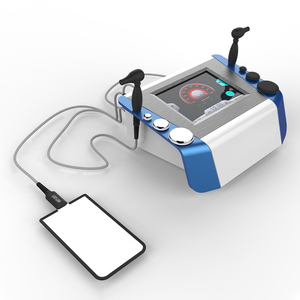
Orthotic Physiotherapy Equipment & Rehabilitation Scan Machine
Precision electromechanical diagnostic scanning machine and electrode physiotherapy system designed for postoperative orthopedic leg rehabilitation and kinetic alignment.
Browse our core trauma, spine, veterinary, and cleanroom-manufactured product families. Each product line comes fully backed by a complete Device Master File (DMF) and comprehensive technical registration packages.
Precision electromechanical diagnostic scanning machine and electrode physiotherapy system designed for postoperative orthopedic leg rehabilitation and kinetic alignment.
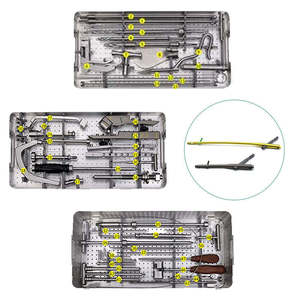
Factory-direct Proximal Femoral Nail Antirotation (PFNA) system engineered from Ti-6Al-4V ELI (ASTM F136) for high-load intertrochanteric fracture fixation.
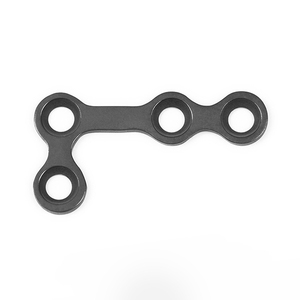
Comprehensive veterinary orthopedic implants including micro-locking plates, Schanz screws, and specialized instrument sets tailored for small animal and equine orthopedics.
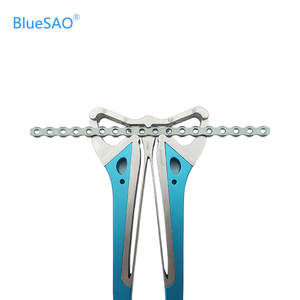
Ultra-lightweight, high-biocompatibility surgical titanium plates, bone screws, and TPLO/TTA implant sets designed for companion animal surgical interventions.
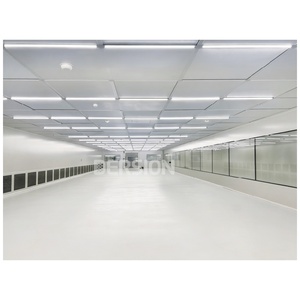
Class 100,000 (ISO Class 8) cleanroom validated processing, primary packaging, and gamma/EO sterile pouching for turn-key OEM implant private labeling.
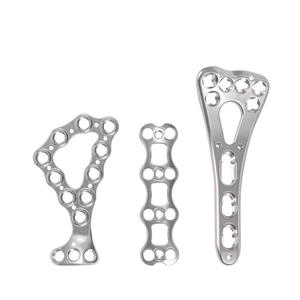
Minimally invasive spine surgery (MISS) polyaxial pedicle screws, extended-tab screws, and curved rods manufactured to custom engineering drawings.
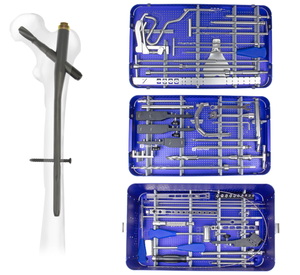
Anatomic cannulated titanium intramedullary nails featuring multi-planar distal locking options and ergonomic surgical targeting instrumentation.
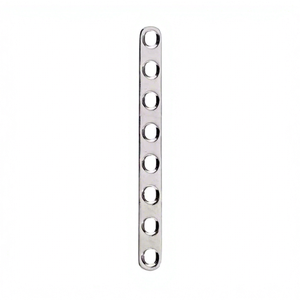
Medical-grade 316L stainless steel trauma plates, cortical screws, and dynamic compression plates backed by ISO 13485 certification and complete batch traceability.
In today's global medical device ecosystem, procuring high-precision titanium implants or stainless steel trauma systems is only half the battle. International health authorities—including the European Medicines Agency (under EU MDR 2017/745), the US FDA (via 510(k) Premarket Notifications), Brazil's ANVISA, and Saudi Arabia's SFDA—have raised regulatory barriers to unprecedented levels.
For B2B distributors, tender participants, and private-label brand owners, a single missing bio-compatibility report or non-compliant mechanical fatigue curve can delay product launch by 12 to 24 months, costing hundreds of thousands of dollars in lost market access.
Orthomanufacturer Medical Co., Ltd. resolves this structural bottleneck. We do not simply ship hardware; we deliver fully compiled, audit-tested Orthopedic Implant Documentation Packages formatted according to STED (Summary Technical Documentation) standards. Our technical dossiers empower your regulatory team to submit applications seamlessly, ensuring swift market authorization.
Hospitals and ministry of health tender boards demand verifiable clinical evidence, risk evaluations, and manufacturing consistency. Every implant portfolio we export is backed by:
Compare what standard suppliers provide against the institutional-grade technical files included in every Orthomanufacturer Medical export program.
| Dossier Module | Standards & Test Protocol | Document Content Breakdown | Importer Regulatory Benefit |
|---|---|---|---|
| 1. Material Verification & Traceability | ASTM F136 ASTM F67 ASTM F138 ASTM F2026 | Mill Test Reports (MTR), Chemical Composition Analysis, Metallographic Grain Size, Heat-Treatment Certificates per lot. | Guarantees 100% material authenticity, preventing catastrophic implant fatigue and satisfying ISO 13485 lot traceability audits. |
| 2. Biomechanical Strength Testing | ASTM F1717 ASTM F543 ISO 14801 | Torsional yield, driving torque, axial pull-out strength, multi-million cycle dynamic fatigue curves (S-N curves). | Proves mechanical equivalence to market-leading brands; essential for FDA 510(k) predicate comparison and EU MDR Annex II compliance. |
| 3. Biocompatibility Evaluation | ISO 10993-1 ISO 10993-5 ISO 10993-11 | In vitro cytotoxicity test reports, intracutaneous reactivity, systemic toxicity, chemical characterization (ISO 10993-18). | Eliminates biological risk queries during Ministry of Health product registrations and tender technical evaluations. |
| 4. Cleanroom & Sterilization Validation | ISO 14644-1 ISO 11137 ISO 11607 | Class 8 (100,000 cleanroom particle monitoring, Bioburden testing, Gamma Irradiation / EO Sterilization validation, Accelerated Aging (5-year shelf life). | Provides off-the-shelf readiness for hospital distribution with validated sterile packaging and shelf-life stability data. |
| 5. Risk Management & Usability | ISO 14971 IEC 62366 | Failure Mode and Effects Analysis (FMEA), Surgical Technique Manuals, Clinical Evaluation Reports (CER), Instructions for Use (IFU). | Ensures surgeon safety, minimizes intraoperative error, and satisfies post-market surveillance (PMS) reporting mandates. |
| 6. Unique Device Identification (UDI) | GS1 Standards EU EUDAMED | Laser-engraved UDI-DI / UDI-PI barcodes, 2D DataMatrix verification, catalog mapping, and packaging label artworks. | Enables seamless inventory integration into hospital EHR systems and automated customs clearance across global ports. |
As the global orthopedic device market accelerates toward $65 billion by 2030, procurement directors must align with key technological and regulatory shifts.
Distributors are moving away from vendors who supply hardware without verified documentation. Modern tenders require turn-key technical files, bio-burden reports, and lifetime material traceability before commercial pricing is even reviewed.
Spine fixation and trauma devices are increasingly utilizing radiolucent PEEK (ASTM F2026) cages combined with Ti-6Al-4V ELI pedicle screws. High-modulus polymers reduce stress shielding while promoting early radiographical fusion assessment.
Traceability is no longer optional. Implants must bear high-resolution 2D DataMatrix laser codes capable of surviving repeated autoclaving. Our automated fiber-laser marking ensures seamless compliance with international track-and-trace databases.
We bridge the gap between world-class precision machining and stringent international medical device regulations.
High-precision Citizen and Star CNC multi-axis lathes maintain tight tolerances (±0.005mm) for complex pedicle screw threads, cannulated intramedullary nails, and anatomical trauma plates.
In-house ISO Class 8 cleanroom facilities perform ultrasonic washing, passivization, primary pouch sealing, and bio-burden control under continuously monitored environmental conditions.
From custom drawing review to laser etching your brand logo, custom box printing, IFU translation, and regulatory registration dossier compilation, we provide an end-to-end brand solution.
Clear answers to common questions regarding technical documentation, regulatory assistance, minimum order quantities, and sample evaluation.
Contact our senior engineering and regulatory export specialists today to receive your full product catalog, sample kit, and customized Orthopedic Implant Documentation Package.