Precision-Engineered Surgical Implants & Instrument Systems
Full lot-traceable Class IIb & Class III orthopedic devices manufactured under ISO 13485 and cleanroom conditions for human and veterinary applications.
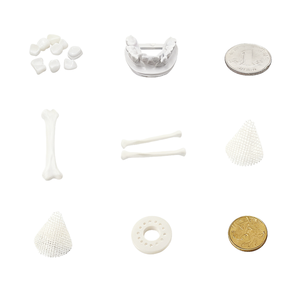
Medical Implant 3D Printing Service Custom Orthopedic Devices Bioprinting Compatibility Precision Craftsmanship
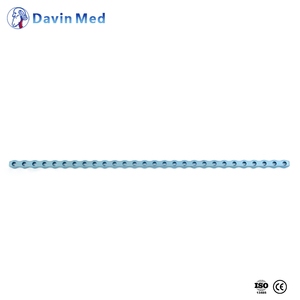
Dog Cat Various Size Vet Orthopedic Surgical Implants 2.0/2.4/2.7/3.5 mm AO Type ALPS Titanium Reconstruction Locking
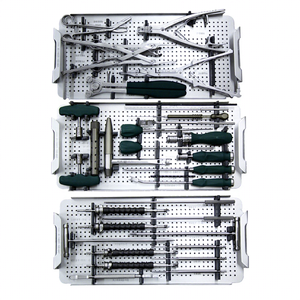
Orthopedic Surgery Titanium Alloy COXII Pedicle Screw -rod 6.0 System Low Profile CE Certified Implant Interventional Materials
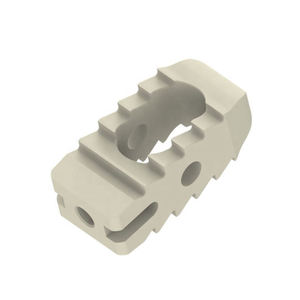
Lumbar Interbody Fusion Cage PEEK Orthopedic Implant Bone Fracture Fixation Class III Medical Device Model 7500 CE Certified
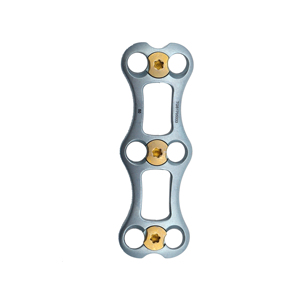
Medical Titanium Anterior Cervical Spine Locking Plate Orthopedic Spinal Fracture Fixation Surgical Bone Implant Device
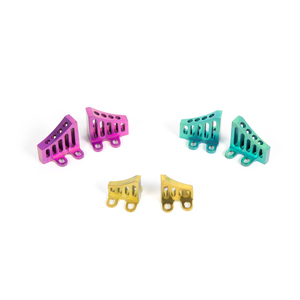
Veterinary Tibia Trauma Orthopedic Surgery Machined Type TTA Implant with 3D and Machined Types
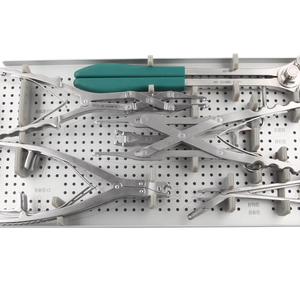
COX 6.0 Screw & Rod System Class I Implant Instruments for Orthopedic Surgery
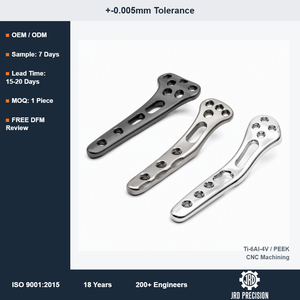
Medical Grade Orthopedic Implant Precision 5 Axis CNC Machining ±0.005mm Titanium Ti6Al4V ISO 9001 CMM Certified Custom OEM ODM
Navigating Modern Orthopedic Implant Sourcing & Manufacturing Excellence
A comprehensive evaluation framework for hospital procurement committees, medical device distributors, and private-label OEM brands.
Metallurgical Integrity & Biocompatibility Benchmarks
In orthopedic surgical applications, material selection dictates mechanical longevity and osseointegration efficacy. Leading certified manufacturers strictly adhere to ASTM and ISO standards for implant-grade materials:
- Titanium Ti-6Al-4V ELI (ASTM F136 / ISO 5832-3): Extra Low Interstitial grade titanium alloy providing exceptional fatigue strength, low modulus of elasticity, and superior resistance to biological corrosion.
- PEEK Polymer (ASTM F2026): Polyetheretherketone specified for spine interbody fusion cages, offering radiolucency for postoperative artifact-free CT/MRI imaging and a modulus mimicking human cortical bone.
- CoCrMo Alloy (ASTM F1537 / ISO 5832-12): Cobalt-Chromium-Molybdenum alloys crafted for total joint prostheses (hip stems and knee components) demanding ultra-high wear resistance.
Precision Manufacturing & Micro-Dimensional Tolerances
The structural performance of pedicle screws, locking plates, and intramedullary nails relies on micro-machining perfection. Advanced manufacturing setups deploy 5-axis Swiss CNC turning and high-speed milling centers to execute intricate geometries:
- Threading & Thread Pitch Control: Dual-thread and variable-pitch pedicle screw threads designed to maximize pullout strength in both osteoporotic and dense bone structures.
- Locking Plate Chamfering: Anatomical contouring with multi-directional combination holes allowing dual fixation with locking screws or standard cortical screws.
- Surface Anodization & Passivation: Chemical surface treatment establishing Type II anodization for enhanced friction parameters or Type III color anodization for intuitive surgical size-identification.
Implant Materials & Engineering Regulatory Compliance Matrix
Standardized material cross-reference guide for medical device registration and quality audit verification.
| Material Classification | International Standard | Tensile Strength (MPa) | Key Surgical Applications | Primary Clinical Advantage |
|---|---|---|---|---|
| Ti-6Al-4V ELI Alloy | ASTM F136 / ISO 5832-3 | ≥ 860 MPa | Pedicle Screws, Trauma Plates, IM Nails | High bio-durability, minimal MRI distortion |
| Unalloyed CP Titanium | ASTM F67 / ISO 5832-2 | 240 – 550 MPa | CMF Maxillofacial Plates, Mesh, Micro-screws | Excellent intraoperative malleability & contouring |
| PEEK Optima® | ASTM F2026 | 90 – 100 MPa | Lumbar/Cervical Interbody Fusion Cages | Bone-like elastic modulus (3.5 GPa), radiolucent |
| 316L Stainless Steel | ASTM F138 / ISO 5832-1 | ≥ 490 MPa | Trauma Plates, Schanz Pins, External Fixators | Cost-effective structural rigidity for temporary fixation |
| CoCrMo Alloy | ASTM F1537 / ISO 5832-12 | ≥ 897 MPa | Hip Femoral Heads, Total Knee Articulations | Exceptional tribological wear resistance |
| UHMWPE Polyethylene | ASTM F648 / ISO 5834-2 | ≥ 40 MPa | Acetabular Liners, Tibial Knee Bearings | Low coefficient of friction against metallic surfaces |
Future Trends Shaping Global Orthopedic Manufacturing
Key technological shifts driving distributor competitiveness, procurement strategy, and hospital supply chain evolution over the next decade.
1. Additive Manufacturing & Trabecular Micro-Structures
3D Titanium bioprinting (SLM/EBM technologies) is replacing subtractive machining for complex interbody cages and joint reconstructive shells. By fabricating porous trabecular surfaces with pore sizes between 400–700 μm, 3D printed implants achieve direct vascularization and rapid osteoblast attachment, significantly shortening clinical fusion timelines.
2. Patient-Specific Implants (PSI) & AI-Assisted Design
The industry is shifting from off-the-shelf sizing toward custom patient-matched implants derived from DICOM CT data. Contract manufacturers equipped with automated CAD conversion scripts and rapid prototyping capabilities allow surgical teams to address complex oncology resections, cranial deformities, and revision joint surgeries with custom precision.
3. Rise of Minimally Invasive Surgical (MIS) Kits
Surgical trends demand smaller incisions, minimal soft-tissue disruption, and faster patient rehabilitation. Global distributors are expanding portfolios to include percutaneous pedicle screw systems, MIS retractors, and pre-packaged sterile instrument kits that reduce operating room prep times and lower hospital cross-contamination risks.
4. Boom in Specialized Veterinary Orthopedics
Companion animal healthcare is experiencing rapid growth worldwide. High-end veterinary clinics now demand human-grade AO-type locking plates (2.0/2.4/2.7/3.5 mm systems), TTA/TPLO cruciate repair devices, and ALPS reconstruction implants, presenting lucrative expansion avenues for medical importers.
5. Stringent Traceability & MDR Technical Dossiers
Regulatory frameworks like the European Union Medical Device Regulation (EU MDR 2017/745) demand full life-cycle validation, unique device identification (UDI) laser marking, and rigorous clinical evaluation reports (CER). Sourcing partners must deliver comprehensive technical file packages to ensure zero registration roadblocks.
Why Leading Global Healthcare Brands Partner With Us
From raw material bar stock incoming verification to Class 10,000 cleanroom packaging, our factory operates as a direct extension of your brand.
100% Raw Material Verification
Every Titanium, PEEK, and CoCrMo batch is inspected via optical emission spectrometry to verify metallurgical chemical certificates prior to machining.
5-Axis CNC & CMM Inspection
Sub-micron dimensional accuracy verified by automated Zeiss Coordinate Measuring Machines (CMM) and laser thread scanners.
OEM Private-Label Program
Custom laser-etched branding, customized part numbering, custom pouch packaging, and blister sealing tailored to target market regulations.
Turnkey Export Registration
Complete technical documentation packages including ISO certificates, CE file dossiers, testing reports (ASTM F2193/F1717), and IFU inserts.
Orthopedic Implant Sourcing & OEM Manufacturing FAQ
Answers to common technical, commercial, and regulatory inquiries from international procurement officers and distributors.
What regulatory certificates and quality standards back your orthopedic implant production?
+
Our manufacturing facility operates strictly under ISO 13485:2016 Quality Management System standards tailored for medical device production. Implants are certified under CE mark directives and conform to applicable ASTM F136 (Ti-6Al-4V ELI), ASTM F2026 (PEEK), ASTM F67 (Pure Titanium), and ISO 5832 specifications. Complete technical dossiers (MDR-compliant CER, sterilization validation, bioreactivity reports) are available for international product registration.
What is the lead time for custom OEM/ODM orthopedic implant manufacturing?
+
Standard catalog products typically ship within 10 to 20 working days. For custom OEM designs or modified anatomical plates/screws, prototype sampling takes approximately 3 to 4 weeks following final CAD drawing approval. Mass production lead times generally range between 30 to 45 days, depending on batch quantities, complex 5-axis machining requirements, and specialized surface treatment specifications.
Can you provide complete matching instrument sets alongside implant systems?
+
Yes. Every implant portfolio—including spine pedicle screw systems, intramedullary nails, locking plates, and veterinary ALPS/TTA sets—is supplied with dedicated, surgical-grade stainless steel instrument sets and custom anodized aluminum sterilization containers. This eliminates interface discrepancies between screwdrivers, drills, taps, aiming arms, and implant recesses during surgery.
How do you guarantee full lot traceability from raw material to delivered implant?
+
Every single implant receives non-destructive fiber laser marking indicating part number, lot batch code, and dimensional specifications. This laser barcode directly links back to raw material mill test certificates (MTR), heat treatment records, CNC machine operator logs, passivization bath batches, and CMM dimension inspection sheets, guaranteeing 100% end-to-end medical device traceability.
What custom options exist for veterinary orthopedic implants?
+
We supply specialized veterinary trauma lines ranging from micro-locking plates (1.5mm/2.0mm) for small felines and toy breeds up to 3.5mm/4.5mm heavy-duty reconstruction plates for large canine breeds. Available configurations include TTA wedges, TPLO curved plates, ALPS system plates, and external fixators, all manufactured from implant-grade titanium alloy for optimum biological compatibility.
Do you support small distributor sample orders prior to bulk commercial contracts?
+
Yes, we support qualified medical distributors and hospital procurement panels by offering evaluation sample sets. Samples allow surgical teams and QA engineers to inspect micro-finish quality, thread engagement, instrument ergonomics, and material feel before issuing formal bulk purchase tenders.
Partner with a Leading Orthopedic Implant Factory
Whether you require catalog distribution, OEM private-label production, or custom 3D printed orthopedic solutions, our biomedical engineering team is ready to assist your procurement goals.