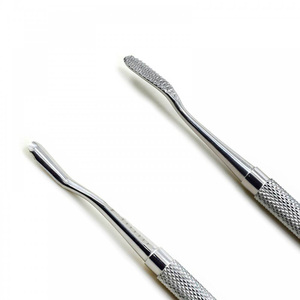
CE Approved · 304 SS
Precision-crafted medical devices compliant with global standards (ASTM F136, ASTM F138, ISO 13485). Each unit undergoes 100% lot traceability and automated dimensional inspection.
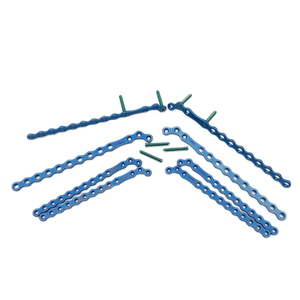
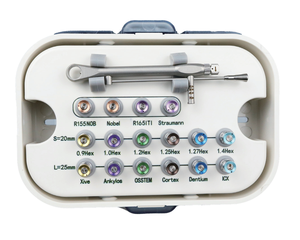
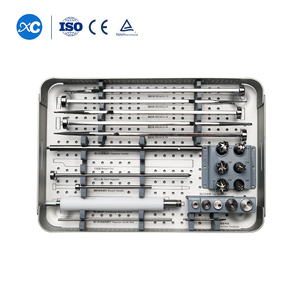
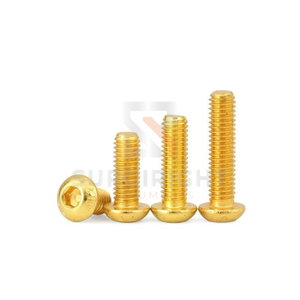
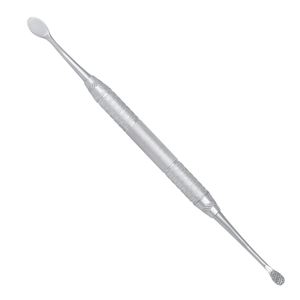
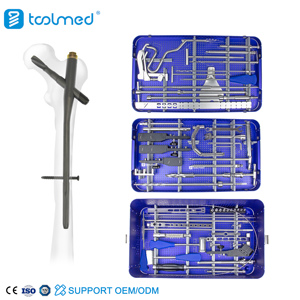
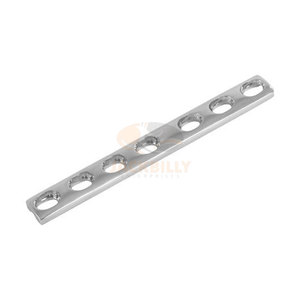
Navigating medical device procurement demands more than standard component supply. It requires absolute metallurgical traceability, strict geometric compliance, and structured technical documentation for regional health authorities.
We work exclusively with certified medical-grade raw alloys: Ti-6Al-4V ELI (ASTM F136 / ISO 5832-3), Commercially Pure Titanium (ASTM F67), Implant-Grade 316L Stainless Steel (ASTM F138), and PEEK (ASTM F2026). Every raw bar stock shipment undergoes spectrographic chemical analysis and tensile verification before entering production lines.
Trauma plates, intramedullary nails, and pedicle screws require tight geometric fidelity to guarantee surgeon tactile control and anatomical fit. Utilizing multi-axis CNC Swiss automatic turning machines and optical CMM inspection, micro-threads and locking holes maintain tolerances as tight as ±0.005mm.
Mismatches between screw drivers and screw heads, or targeting arms and intramedullary nails, create severe intraoperative friction. We manufacture matching surgical instrument sets in tandem with implants under unified engineering drawings, ensuring seamless driver engagement and zero wobble.
As global healthcare reimbursement models evolve and regulatory scrutiny expands under MDR standards, orthopedic distributors must adapt their sourcing strategies. Here are the core shifts reshaping orthopedics procurement from 2025 to 2030.
Hospitals are actively reducing vendor numbers to simplify supply chains. Modern distributors no longer source implants from one vendor and surgical instruments from another. Sourcing complete, fully validated kits—containing color-coded plates, locking screws, targeted drill guides, and custom sterilizing trays—has become mandatory for winning hospital tenders.
Veterinary orthopedics is experiencing unprecedented growth worldwide. Companion animal fracture repairs, canine TPLO (Tibial Plateau Leveling Osteotomy), and hip replacement surgeries require medical-grade titanium implants scaled specifically for veterinary anatomy. Forward-thinking distributors are creating dedicated veterinary lines to capture high-margin private veterinary hospital sectors.
Global regulatory bodies require Unique Device Identification (UDI) laser-etched directly onto implants, paired with comprehensive Technical Documentation Files (STED). Suppliers that fail to provide complete raw material test reports, fatigue testing metrics, and sterile barrier validation place distributors at severe legal risk during local health authority audits.
Implant performance is directly tied to advancements in material science and surface treatments. Our R&D engineering team focuses on three primary technology pillars to reduce recovery times and optimize osteointegration.
Type II Anodization and electro-polishing on titanium implants enhance fatigue life while forming a bio-inert titanium oxide film. Color anodization allows surgical teams to visually identify screw diameters and plate sizes in fast-paced trauma environments.
Polyetheretherketone (PEEK) features a elastic modulus (3.6 GPa) closely matching human cortical bone, substantially reducing stress shielding compared to traditional metallic implants. PEEK interbody fusion cages remain radiolucent, allowing surgeons clear post-operative X-ray visualization.
Modern surgical trends prioritize smaller incisions, reduced blood loss, and shorter hospital stays. Development of micro-cannulated intramedullary nails, percutaneous pedicle screw extension towers, and ergonomic surgical power tools enables precise implant delivery through minimal soft-tissue disruption.
| Material Alloy | Standard Specification | Tensile Strength (MPa) | Elastic Modulus (GPa) | Primary Clinical Applications |
|---|---|---|---|---|
| Ti-6Al-4V ELI (Grade 23) | ASTM F136 / ISO 5832-3 | ≥ 860 | 110 | Pedicle Screws, Trauma Plates, Intramedullary Nails |
| Commercially Pure Titanium | ASTM F67 / ISO 5832-2 | ≥ 240 to 550 | 105 | CMF Micro/Mini Plates, Cranial Mesh, Reconstructive Fixation |
| 316L Implant Stainless Steel | ASTM F138 / ISO 5832-1 | ≥ 490 to 1350 | 200 | Veterinary Plates, External Fixation Pins, Bone Files, Chisels |
| PEEK Polyetheretherketone | ASTM F2026 | ≥ 90 to 100 | 3.6 | Cervical Cages, Lumbar Interbody Fusion Devices (PLIF/TLIF) |
| CoCrMo Alloy | ASTM F1537 / ISO 5832-12 | ≥ 897 | 210 | Joint Arthroplasty (Femoral Heads, Knee Articular Surfaces) |
From initial CAD drawing review to final sterile packaging compliance, our OEM workflow ensures seamless product line launches for international exporters and brand owners.
Our engineering team analyzes your technical drawings or physical samples, conducting finite element analysis (FEA) and tolerance stack-up evaluations to optimize manufacturability.
Rapid prototyping using multi-axis CNC lathes. Mechanical fatigue testing (ASTM F1717 / ASTM F543) guarantees structural compliance prior to full tooling release.
Custom fiber laser etching of your brand logo, lot code, and UDI matrix code. Cleanroom washing, double-blister sterile packaging, or custom non-sterile bulk packaging.
Detailed answers addressing regulatory compliance, material verification, minimum order quantities, and custom contract manufacturing.
Expand your distribution catalog with certified spine, trauma, joint, veterinary, and surgical tool portfolios. Request technical dossiers, OEM price matrices, or evaluation sample kits today.