100%
Lot Traceability & Testing
50+
Global Export Markets
ASTMF136
Medical Grade Titanium
24/7
Regulatory Support Team
Featured Surgical Portfolio
High-Precision Orthopedic Implants & Systems
Engineered to satisfy stringent GCC regulatory frameworks (SFDA, MoHAP, MOPH). Each product family is manufactured from biocompatible titanium alloy or surgical-grade stainless steel with matched instrumentation.
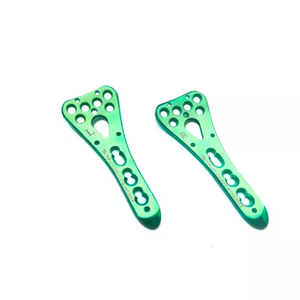
High Quality Variable Angle Volar Titanium Plate Orthopedic Veterinary Surgical Implant CE ISO Approved Titanium bone plates
Contact Us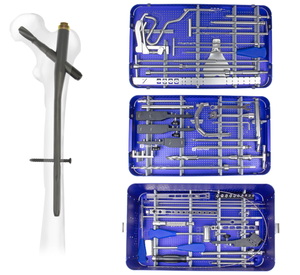
Orthopedic Implants PFNA Femoral Intramedullary Nail Orthopedic Instrument Set Orthopedic Titanium Trauma Nail Implants
Contact Us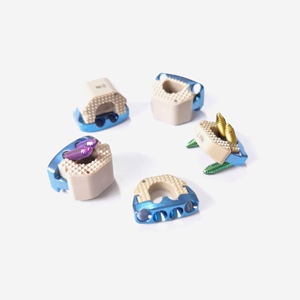
Polyaxial Pedicle Screw Atlas 5.5 Posterior Thoracolumbar Spinal System Titanium Orthopedic Surgical Implant for Spine Surgery
Contact Us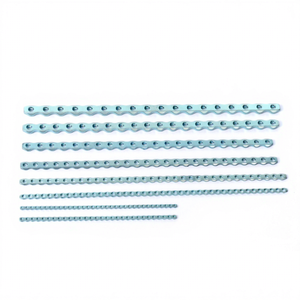
Small Animal Titanium Orthopedic Implant Alps Reconstruction Locking Plate Class III for Veterinary Bone Surgery CE Certified
Contact Us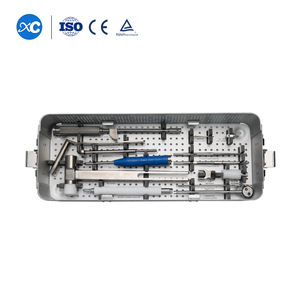
Veterinary a Type Total Hip System Surgical Instrument Orthopedic Implant Tools 1#~5# Biocompatible Durable Quality Guaranteed
Contact Us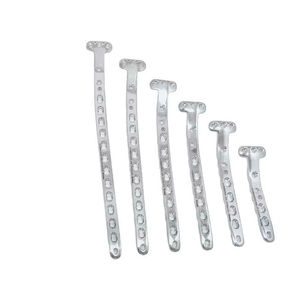
Orthopedic Implants for Veterinary Use Medial Proximal Tibia Plate (3.5mm) with Set of 12pcs (L6/R6) Stainless Steel
Contact Us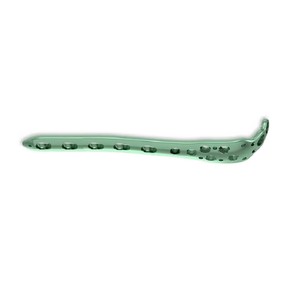
Wholesale Orthopedic Implants Export Quality Surgical Implant Manufacturer and Supplier
Contact Us
Uncompromising E-E-A-T Excellence
Why Middle Eastern Healthcare Procurement Teams Partner With Us
Navigating orthopedic procurement across the Gulf Cooperation Council (GCC) demands absolute supply chain reliability, traceable raw materials, and flawless regulatory compliance. We combine Swiss high-precision CNC engineering with localized Middle East registration agility.
100% Traceable Raw Materials
We exclusively process medical-grade Ti-6Al-4V ELI (ASTM F136), pure titanium (ASTM F67), surgical 316L stainless steel (ASTM F138), and PEEK-OPTIMA (ASTM F2026). Every raw bar stock undergoes spectral analysis and ultrasonic flaw detection before CNC turning.
5-Axis CNC Precision Machining
Utilizing Japanese Star and Swiss Citizen multi-axis CNC machining centers, our production tolerances are kept within ±0.005mm. Thread profiles, cannulated bores, and variable locking mechanism angles deliver zero-backlash surgeon tactile feedback.
Turnkey Regulatory Dossiers
We eliminate local clearance bottlenecks by providing full Technical Documentation Files (TDF), ISO 13485:2016 certificates, ISO 10993 biocompatibility test data, and Free Sale Certificates (FSC) streamlined for SFDA (Saudi Arabia), MoHAP (UAE), and MOPH (Qatar).
OEM & Private-Label Branding
Custom fiber laser marking for distributor branding, localized multi-language packaging (Arabic/English), custom tray configurations, and bespoke implant modification based on regional surgeon anatomical anthropometric data.
ISO Class 8 Cleanroom Packaging
Implants pass through multi-stage ultrasonic aqueous cleaning, electropolishing, Type II/III color anodization, and are sealed in sterile double-blister Tyvek pouches validated for 5-year shelf-life stability under tropical heat conditions.
Dedicated GCC Logistics Hubs
With optimized export channels into Riyadh, Jeddah, Dubai, Abu Dhabi, Doha, Muscat, and Kuwait City, we guarantee rapid emergency stock replenishment and flexible batch minimum order quantities (MOQs).
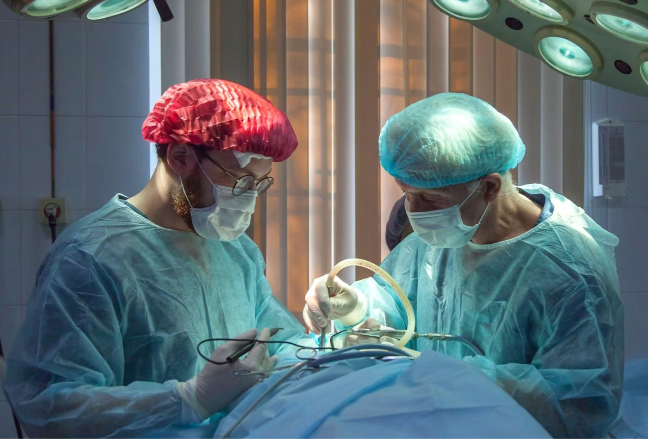
Clinical Integration Excellence
Bridging Mechanical Integrity with Intraoperative Efficiency
A key frustration for Middle Eastern orthopedic surgeons during complex osteosynthesis is driver slip, cross-threading, or anatomical mismatch of generic locking plates. Our R&D engineering team collaborates directly with trauma chiefs to refine implant geometries.
- Anatomical Pre-contouring: Reduces the necessity for intraoperative plate bending, minimizing stress concentration and fatigue failure risk.
- Star-Drive Recess Technology: Torque transmission is optimized, dramatically reducing cam-out and screw head stripping during high-torque cortical driving.
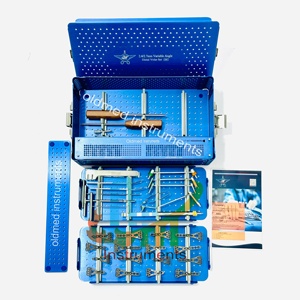
- Modular Sterilization Instrumentation: Ergonomic, color-coded, hard-anodized aluminum boxes equipped with high-durability quick-coupling drill sleeves and depth gauges.
Strategic Market Intelligence
Middle East Orthopedic Procurement Trends (2025–2030)
An executive analysis for B2B medical device importers, government health authorities (NUPCO, SEHA), and private healthcare groups across Saudi Arabia, the UAE, Qatar, Kuwait, Oman, and Bahrain.
The orthopedic implant market across the Middle East and North Africa (MENA) region is experiencing an unprecedented structural expansion. Driven by Saudi Arabia's Vision 2030 Healthcare Transformation Strategy, massive expansion of private hospital infrastructure in Dubai and Abu Dhabi, and elevated clinical focus on managing high rates of road traffic trauma and age-related metabolic bone disorders, the demand for premium-quality osteosynthesis systems is surging.
Key Macro Procurement Dynamics Shaping the GCC Region
1. Shift Toward Centralized Government Tenders (e.g., NUPCO)
Bulk procurement entities like Saudi Arabia's National Unified Procurement Company (NUPCO) are consolidating demand. Suppliers must offer unified SKU platforms, highly competitive tier-pricing, extended product shelf-life, and robust audit-ready technical files to secure multi-year tender awards.
2. Demand for Polyaxial Variable-Angle Locking Tech
Monoaxial locking plates are rapidly losing market share to Variable-Angle (VA) systems (such as 2.4mm/2.7mm Distal Radius systems). VA technology grants surgeons up to a 30-degree cone of trajectories to target complex intra-articular fragments, particularly critical for metaphyseal comminution.
3. Rise of Specialized Veterinary Surgery Networks
Equine hospitals and high-end small animal surgical facilities across the UAE, Qatar, and Saudi Arabia are demanding human-grade titanium implants—such as ALPS reconstruction plates and total hip systems—customized for veterinary orthopedic biomechanics.
Orthopedic Material & Specification Reference Matrix
Procurement managers can benchmark material grades, mechanical parameters, and regulatory standard codes below when evaluating competitive supplier quotes.
| Implant Material Category | Global Material Standard | Tensile Strength (MPa) | Primary Clinical Indications | GCC Regulatory Focus |
|---|---|---|---|---|
| Titanium Alloy (Ti-6Al-4V ELI) | ASTM F136 / ISO 5832-3 | ≥ 860 MPa | Pedicle Screws, PFNA Intramedullary Nails, Volar Locking Plates | SFDA / MoHAP Cytotoxicity & Fatigue Test Approval |
| Commercially Pure Titanium (CP Gr 4) | ASTM F67 / ISO 5832-2 | ≥ 550 MPa | CMF Maxillofacial Mini Plates, Mesh, Reconstructive Fixation | Ductility & Bending Contourability Verification |
| PEEK Optima Polymer | ASTM F2026 | ≥ 95 MPa | Lumbar / Cervical Interbody Fusion Cages, Anchor Bodies | Radiolucency & Elastic Modulus Matching Bone (3.6 GPa) |
| Surgical Stainless Steel 316L | ASTM F138 / ISO 5832-1 | ≥ 490 MPa | External Fixation Pins, Veterinary Tibia Plates, Drill Bits | Pitting Corrosion Resistance (PREN ≥ 26) |
| Cobalt-Chromium-Moly (CoCrMo) | ASTM F1537 / ISO 5832-12 | ≥ 897 MPa | Veterinary Total Hip Stems, Articulating Joint Heads | Ultra-smooth Wear Surface Polishing (Ra < 0.02 µm) |
Innovation Frontiers
Future Technological Trends in Orthopedic Manufacturing
How modern manufacturing technologies are driving next-generation patient outcomes, reducing surgical revision rates, and enhancing biological osteosynthesis.
1. Advanced Bio-Surface Functionalization
Modern trauma and spinal implants are evolving beyond simple anodization. Technologies like Micro-Arc Oxidation (MAO) and Hydroxyapatite (HA) plasma spraying create porous, biomimetic surface layers that accelerate osseointegration. Micro-textured titanium surfaces encourage osteoblast attachment, significantly shortening bone healing cycles in osteoporotic patients.
2. Minimally Invasive (MIS) Intramedullary Systems
Next-generation intramedullary nails, such as our PFNA Femoral Systems, feature advanced cannulated targeting jigs and carbon-fiber distal aiming arms. These radio-translucent guide frames allow surgeons to lock distal screws accurately under fluoroscopy with minimal radiation exposure and smaller surgical incisions.
3. 3D-Printed Porous Trabecular Implants
Selective Laser Melting (SLM) additive manufacturing allows for the production of titanium interbody fusion cages and joint augmentation wedges with interconnected porous structures mirroring human trabecular bone (50–70% porosity). This eliminates stress shielding while providing superior vascular ingrowth channels.
4. Carbon-Fiber Reinforced PEEK (CFR-PEEK)
For oncology reconstructions and complex spinal stabilization, CFR-PEEK offers radiolucency that enables artifact-free post-operative MRI and CT imaging. Surgeons can monitor bone healing and tumor recurrence with unprecedented clarity without metal streak artifacts.
5. Antimicrobial Surface Coatings
To battle surgical site infections (SSI) and hospital-acquired pathogens, silver-ion impregnation and nano-copper bio-coatings are being integrated into temporary trauma implants and external fixator Schanz pins, preventing biofilm formation without systemically toxicity.
6. Specialized Small Animal & Veterinary Systems
Veterinary orthopedics is witnessing a surge in biomechanical sophistication. Micro-locking reconstruction plates (such as the ALPS system) feature minimized plate-to-bone contact footprints, preserving the periosteal blood supply while providing rigid stabilization for high-energy canine fractures.
Procurement & Technical Support
Frequently Asked Questions (FAQ)
Essential answers for Middle Eastern importers, distributor sales heads, and hospital tender committees regarding technical compliance, OEM branding, lead times, and regulatory filings.
Q
What makes your orthopedic implants fully compliant with SFDA (Saudi Arabia) and MoHAP (UAE) regulations?
Our implants are manufactured under a strict ISO 13485:2016 quality system. We supply complete Technical Dossiers including ISO 10993 biological evaluation reports, ASTM F136/F2026 raw material certificates, mechanical fatigue test data according to ASTM F382 (for plates) and ASTM F543 (for screws), as well as Free Sale Certificates (FSC) authenticated by local embassies.
Q
Can you provide custom laser marking and localized Arabic/English packaging for private label OEM contracts?
Yes. We offer complete OEM and ODM private-label solutions. We can laser-etch your company logo, proprietary SKU numbers, lot numbers, and GS1 DataMatrix barcodes directly onto the implants. Additionally, we customize primary Tyvek blister packaging and outer boxes with bilingual (Arabic & English) labeling adhering to GCC medical device labeling directives.
Q
What raw material grades are utilized in your 2.4/2.7mm Variable Angle Volar Locking Plates?
Our distal radius volar plates are crafted from high-strength Ti-6Al-4V ELI (Extra Low Interstitial) titanium alloy conforming to ASTM F136. This material provides superior fatigue strength, exceptional biocompatibility, and lower elastic modulus compared to stainless steel, minimizing stress shielding at the radius metaphysis.
Q
How do you guarantee instrument-to-implant interface compatibility during surgery?
Every implant batch undergoes 100% optical comparator and gauge inspection against matched instrument sets. Screwdrivers, drill bits, taps, and locking sleeves are machined in-house with exact tolerances. Our Star-drive and hex recesses undergo plug-gauge pass/fail verification to prevent cam-out and stripping in the operating room.
Q
What is the typical production lead time for bulk export orders to the Middle East?
For standard catalog items (such as PFNA nails, pedicle screws, and locking plates), standard lead time is 15 to 25 calendar days. For custom OEM or white-label orders requiring specialized tooling or custom tray layout fabrication, lead times range from 30 to 45 days. Emergency stock air-freight options via DHL/FedEx/Emirates SkyCargo are available.
Q
Do you supply matching surgical instrument sets and sterilization trays with the implants?
Yes. We provide complete procedural kits. Implants are delivered alongside dedicated, hard-anodized aluminum sterilization trays, equipped with silicone holders, quick-coupling handles, cannulated drills, depth gauges, and benders tailored for each specific surgical procedure.
Q
What is your minimum order quantity (MOQ) requirement for regional Middle Eastern distributors?
We support growing regional distributors by offering low initial trial order MOQs. While standard batch orders encourage full tray quantities, sample evaluation kits and registration samples can be supplied without strict minimum quantity barriers.
Q
Are your veterinary implants (such as ALPS reconstruction plates and total hip systems) produced to human medical standards?
Absolutly. Our veterinary line is manufactured on the exact same 5-axis CNC machining centers, using identical ASTM F136 titanium alloy, ASTM F1537 CoCrMo, and ISO Class 8 cleanroom cleaning protocols as our human implant lines, ensuring unmatched durability for high-value animal patients.
Partner with the Leading Orthopedic Export Supplier for the Middle East
Expand your regional distribution catalog with certified, high-margin, Swiss-precision titanium locking plates, intramedullary nails, spinal systems, and veterinary implants. Contact our Middle East sales director today for technical specifications, price lists, and sample kits.