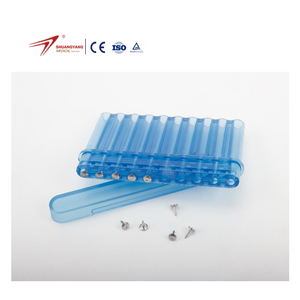
Titanium Alloy Screw GBR Membrane Bone Tack System Dental & CMF Use
CE / ISO 13485
Ti-6Al-4V ELI
Engineered from implant-grade Titanium Alloy (Ti-6Al-4V ELI) and 316L Stainless Steel. Certified for clinical deployment across European and UK surgical centers.
Evaluating structural supply chain resilience, CE marking acceptance by the MHRA, and cost-containment frameworks for NHS Trusts and private UK healthcare groups.
The United Kingdom’s orthopedic medical device landscape is undergoing a systemic structural transition. With NHS procurement frameworks demanding extreme cost-containment without compromising surgical efficacy, medical device distributors, NHS Trusts, and private hospital networks (such as Spire Healthcare, Nuffield Health, and Circle Health Group) are actively restructuring their supply chain dependencies. Historically, Western European and North American OEMs held a near-monopoly on orthopedic implant procurement; however, rising raw material costs, supply chain bottlenecks, and inflated surgical kit premiums have forced UK procurement directors to seek direct OEM manufacturing partners capable of delivering verified CE-certified and ISO 13485 compliant orthopedic implants.
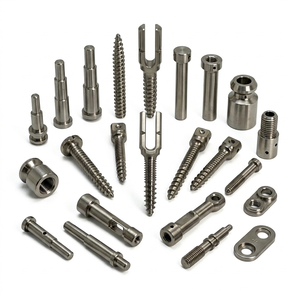
Manufacturers with established metallurgy ecosystems across Russia, Eurasia, and East Asia have emerged as essential strategic partners for the UK market. Eastern Europe and Russia possess world-class industrial infrastructure for high-purity medical titanium forging (specifically Ti-6Al-4V ELI / ASTM F136) and advanced metallurgical alloy processing. By pairing high-capacity raw material supply chain advantages with precision 5-axis Swiss-type CNC machining and cleanroom packaging, overseas orthopedic OEM manufacturers can supply the UK market with trauma plates, pedicle screw systems, intramedullary nails, and CMF devices at a fraction of traditional tier-1 brand pricing.
Under current UK Medicines and Healthcare products Regulatory Agency (MHRA) guidance, CE marked medical devices continue to be recognized across Great Britain, enabling uninterrupted registration and commercial supply.
Direct OEM procurement reduces standard UK framework acquisition costs by 35% to 50%, enabling orthopaedic departments to stretch clinical budgets while maintaining surgical safety margins.
100% material lot traceability from titanium ingot chemistry analysis through final automated optical CMM dimensional inspection and sterile pouch seal validation.
The regulatory bridge between Eurasian manufacturing capacity and the UK market is anchored in rigid adherence to international standards. UK medical device regulations mandate that Class IIb active surgical implants (such as spinal pedicle screws and intramedullary nails) and Class IIa trauma devices maintain comprehensive Technical Documentation Files (TDF). Overseas manufacturers serving UK importers provide full technical support, including Biocompatibility Reports (ISO 10993), Biomechanical Fatigue Testing (ASTM F1717 / ASTM F543), and Sterilization Validation (ISO 11137 / ISO 11607).
Comparative material characterization and mechanical load limits for titanium alloys, stainless steel, and implantable PEEK Optima polymers used in orthopedic devices.
Selecting the optimal bio-material is the single most critical factor in mitigating clinical failure mechanisms such as fatigue fracture, stress shielding, and aseptic loosening. Modern orthopedic implants manufactured for the UK market leverage three core material classes, each engineered to fulfill specific biomechanical mandates:
| Material Specification | Standard Code | Tensile Strength (MPa) | Yield Strength (MPa) | Elongation (%) | Primary Clinical Application |
|---|---|---|---|---|---|
| Titanium Ti-6Al-4V ELI | ASTM F136 | ≥ 860 | ≥ 795 | ≥ 10% | Spinal Pedicle Screws, PFNA Nails, Anatomical Plates |
| Commercially Pure Titanium | ASTM F67 | ≥ 483 | ≥ 345 | ≥ 18% | CMF Maxillofacial Mini Plates, Cranial Mesh |
| Stainless Steel 316L (VAR) | ASTM F138 | ≥ 860 | ≥ 690 | ≥ 12% | Trauma Compression Plates, Schanz Pins, K-Wires |
| CoCrMo Superalloy | ASTM F1537 | ≥ 1000 | ≥ 700 | ≥ 12% | Total Joint Arthroplasty Femoral Heads & Knee Joints |
| PEEK Optima Polymer | ASTM F2026 | ≥ 95 | ≥ 90 | ≥ 5% | TLIF/PLIF Cervical & Lumbar Spinal Interbody Cages |
Implants supplied to UK surgical centers undergo specialized electrochemical surface treatments to enhance corrosion resistance and osseointegration. Type II Anodization produces a dense, non-porous titanium oxide layer that dramatically reduces fretting corrosion at screw-plate locking interfaces. Type III Anodization (Color Anodization) creates distinct visual color-coding (Pink, Blue, Gold, Green) corresponding to screw thread diameters (e.g., 2.7mm, 3.5mm, 4.5mm, 5.0mm), streamlining operating room workflow for UK surgical scrub teams and reducing intraoperative delay.
Tailored implant configurations meeting the operational requirements of NHS Acute Trauma Centers, Private Orthopedic Hospitals, and Specialist UK Veterinary Surgical Clinics.
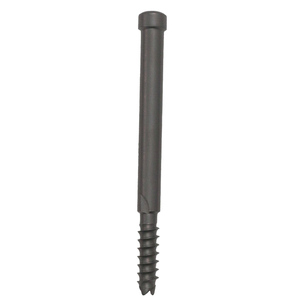
High-volume emergency fracture care demands reliable, pre-contoured locking compression plates (LCP) and cannulated intramedullary nails. Our Proximal Femoral Nail Antirotation (PFNA) systems and Distal Radius Locking Plates provide NHS surgeons with immediate anatomic fit, reducing intraoperative bending time. Standardized drill bit fittings and self-tapping screw threads ensure seamless integration with existing NHS tray sets.
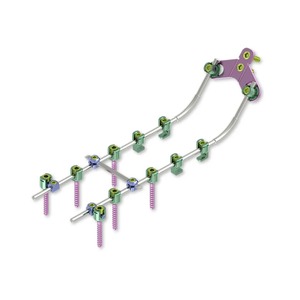
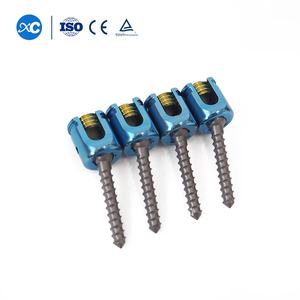
Private spinal hospitals across London, Manchester, and Edinburgh require high-precision polyaxial pedicle screws with friction-head friction locking mechanisms. Our low-profile spinal systems feature dual-lead thread geometries for rapid insertion and superior pull-out strength in osteoporotic bone. Paired with 3D-printed porous titanium cages or PEEK cages, spinal teams achieve high fusion rates with minimal construct bulk.
The United Kingdom possesses one of Europe's largest veterinary orthopedic markets. Our specialized range of Veterinary TPLO (Tibial Plateau Leveling Osteotomy) Plates, micro-polyaxial spine screws, and animal hip joint prostheses cater directly to small animal surgical referral centers. Precision 1.5mm, 2.0mm, and 2.7mm locking systems deliver rigid fixation for complex canine and feline orthopaedics.
Mandibular fracture stabilization and midface craniomaxillofacial reconstruction demand ultra-low profile plates to prevent soft-tissue irritation. Utilizing Commercially Pure Titanium (ASTM F67 Grade 2 and Grade 4), our micro-plate systems allow hand contouring by UK oral and maxillofacial surgeons while retaining precise screw-recess locking alignment.
Key economic, regulatory, and technological drivers reshaping how UK procurement officers evaluate global OEM orthopedic suppliers.
Analysis of UK orthopaedic procurement trends highlights three macro shifts defining the 2025–2030 market outlook:
1. Decentralization of Procurement & Private-Label Growth: Independent UK medical device distributors are increasingly bypassing traditional multinational brand reps to launch their own private-label orthopedic lines. By partnering directly with ISO 13485 certified OEM manufacturers, UK distributors can place custom laser-marked, packaged implants into local private hospitals and veterinary networks at competitive margins.
2. Adoption of Single-Use Sterile Kits & Procedure Packs: To decrease hospital decontamination costs and eliminate surgical site infection (SSI) liability, UK purchasing departments prefer pre-packaged, sterile gamma-irradiated implant kits with single-use instruments. OEM manufacturers capable of supplying cleanroom Class 10,000 double-pouch sterile packaging are securing long-term supply agreements.
3. Eurasian Raw Material Integration for Cost Stabilization: Fluctuations in Western European titanium processing have highlighted the value of direct Eurasian titanium integration. Access to massive raw material supplies in Russia and Eurasia guarantees long-term price stability for raw bar stock, shielding UK buyers from sudden price spikes in spinal screws and trauma fixation plates.
From raw titanium bar stock to laser-marked, cleanroom-sealed implants ready for UK surgical suites.
High-speed Swiss-type Citizen and Star CNC automatic lathes achieve micron-level thread precision and complex anatomical contouring with zero human error.
100% automated optical coordinate measuring machine (CMM) verification ensures every batch of pedicle screws and locking plates conforms exact pitch tolerances.
Class 10,000 (ISO 7) cleanroom washing, laser UDI marking, and heat-sealed blister pouching compliant with ISO 11607 sterilization standards.
Key technical, regulatory, and logistics answers for sourcing CE certified orthopedic devices for United Kingdom distribution.
Expand your UK market share with CE-certified, ISO 13485 compliant trauma, spine, CMF, and veterinary implant systems. Request technical documentation, material mill certificates, or an immediate commercial quotation.