CE-Certified Orthopedic Implants & Match Surgical Systems
Engineered with high-precision CNC tolerance, full lot traceability, and ISO 13485 quality standards. Supplied direct to Ethiopian distributors and government medical procurement tenders.
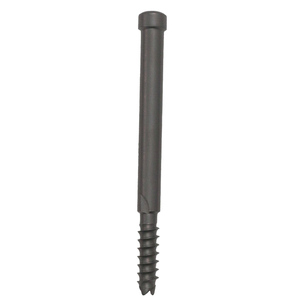
Leading Manufacturer of Excellent Quality Orthopedic Implant Proximal Femoral Screw (P.F.N) 8.0 mm for Hospital Usage
Inquire Now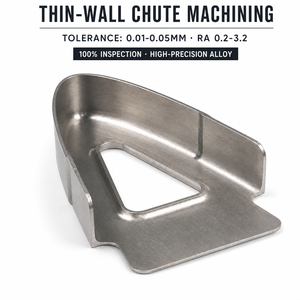
Precision Milled Parts For Dental Equipment And Implant Components Stainless Steel Machining Bulk Purchase Support
Inquire Now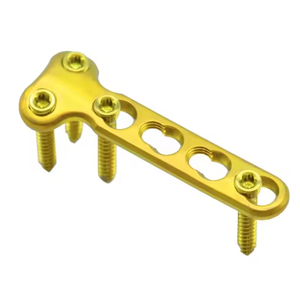
Full Range Orthopedic Bone Screw Set Titanium Implant System for Distributor Bulk Supply
Inquire Now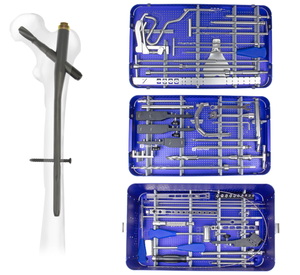
Orthopedic Implants PFNA Femoral Intramedullary Nail Orthopedic Instrument Set Orthopedic Titanium Trauma Nail Implants
Inquire Now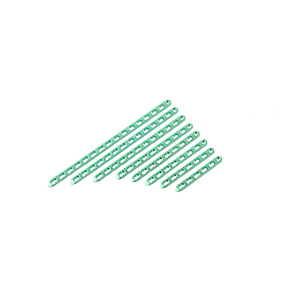
ORTHOCORE 2.0mm Locking Compression Plates Titanium Veterinary Orthopedic Implant Safe and Reliable
Inquire Now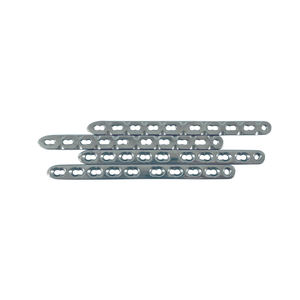
Surtechs Veterinary Orthopedic Implant 3.5mm for Plate High Quality Stainless Steel Manual General Surgery Use CE Certified
Inquire Now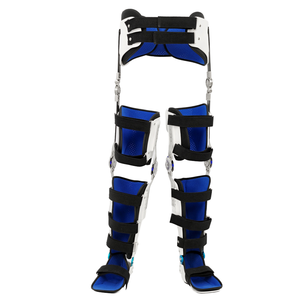
Adult Hip Support Device Hip Knee Ankle Foot Orthosis for Fracture Fixation and Muscle Strain
Inquire Now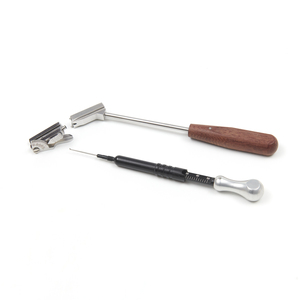
Factory Direct Stainless Steel Orthopedic Surgical Instruments Bone Assistance Device for Locating CE Certified Class II
Inquire NowNavigating the Ethiopian Orthopedic Implant Market: Regulatory Compliance & Clinical Demand
Ethiopia represents one of the fastest-growing orthopedic medical device markets in East Africa. Driven by rapid urbanization, major infrastructure expansions, and the Ministry of Health’s Health Sector Transformation Plan (HSTP II), regional surgical centers—from Tikur Anbessa (Black Lion) Specialized Hospital in Addis Ababa to major referral centers in Hawassa, Mekelle, Bahir Dar, and Jimma—are undergoing significant modernization.
However, trauma surgeons and medical procurement officers in Ethiopia encounter distinct challenges: high incidence rates of road traffic accidents (RTA) requiring robust fixation devices, prolonged lead times in international procurement, complex customs clearing procedures through the Ethiopian Food and Drug Authority (EFDA), and strict requirements for CE certification and ISO 13485 standard compliance.
EFDA Dossier Compliance
Full technical dossier preparation including Device Master Files (DMF), biological evaluation reports (ISO 10993), and CE compliance documentation ready for smooth EFDA registration.
High-Energy Trauma Fixation
High fatigue strength designs engineered specifically to address severe open fractures and peri-articular injuries commonly encountered in East African trauma centers.
Direct Freight via Bole Cargo
Optimized supply chain routes utilizing direct air cargo lines into Bole International Airport (ADD), minimizing port delays and guaranteeing rapid replenishment.
Material Science & Biomechanical Metallurgy Specifications
For orthopedic implants to achieve clinical success in high-stress anatomical environments, raw material selection is non-negotiable. Below is a comprehensive breakdown of the implant-grade alloys utilized in our CE-certified manufacturing facilities.
| Implant Material Grade | International Standard | Tensile Strength (MPa) | Biocompatibility & Corrosion | Primary Surgical Application |
|---|---|---|---|---|
| Ti-6Al-4V ELI (Extra Low Interstitial) | ASTM F136 / ISO 5832-3 | ≥ 860 MPa | Superior passivated titanium oxide layer; MRI safe | Intramedullary Nails (PFNA), Spine Pedicle Screws, Locking Compression Plates |
| Stainless Steel 316L (Medical Grade) | ASTM F138 / ISO 5832-1 | ≥ 690 MPa | Electropolished surface; exceptional pitting resistance | Trauma Bone Plates, Cortex Screws, Veterinary 3.5mm Plates, Surgical Instruments |
| Commercially Pure Titanium (CP Grade 4) | ASTM F67 / ISO 5832-2 | ≥ 550 MPa | Maximum malleability for intraoperative hand contouring | CMF Maxillofacial Micro/Mini Plates, Cranial Reconstruction Mesh |
| PEEK Optima (Polyetheretherketone) | ASTM F2026 | ≥ 95 MPa | Radiolucent modulus matching human cortical bone | Spinal Interbody Fusion Cages (PLIF/TLIF/ACDF) |
Localized Application Scenarios in Ethiopian Hospitals
Surgical demands in Ethiopia differ substantially based on clinical setting, hospital infrastructure, and regional demographic profiles. Our product systems are tailored to address four dominant local application environments:
Proximal Femoral Fractures (PFNA 8.0mm System)
In busy public trauma hospitals such as St. Paul's Hospital Millennium Medical College, rapid surgical intervention for intertrochanteric fractures is critical. The PFNA (Proximal Femoral Nail Antirotation) 8.0 mm system allows for minimally invasive closed reduction, preventing bone cut-out in osteoporotic bone while providing rotational stability under immediate weight-bearing conditions.
Peri-Articular Fracture Management (LCP Systems)
Regional referral hospitals frequently manage delayed fracture presentations. Anatomical Locking Compression Plates (LCP) in 3.5mm and 5.0mm configurations provide combi-hole versatility—enabling surgeons to combine traditional cortical compression with rigid angle-stable locking fixation in severe distal radius, humeral, and tibial plateau fractures.
Thoracolumbar Spinal Trauma Stabilization
With spinal cord injury centers expanding in Addis Ababa, our Titanium Pedicle Screw Systems offer polyaxial maneuverability, low-profile tulip heads, and high-pullout thread profiles. Coupled with radiolucent PEEK cages, spinal surgical teams can achieve robust 360-degree fusion following traumatic burst fractures.
CMF Micro/Mini Plate Fixation
Facial trauma resulting from blunt physical impact or industrial accidents requires ultra-low profile fixation. Our Pure Titanium CMF 1.5mm / 2.0mm Micro and Mini Plates allow tactile intraoperative bending without compromising fatigue strength, delivering optimal cosmetic and functional bone union.
Strategic Trends: The Future of Orthopedic Procurement in Ethiopia
Over the next decade (2025–2035), Ethiopia’s medical sector is projected to undergo significant structural shifts. Procurement directors and distributors must align their supply lines with three core market vectors:
- Transition from Casting to Internal Fixation: Public health policy is aggressively moving away from prolonged skeletal traction towards early internal osteosynthesis. This shift dramatically reduces hospital length-of-stay and overall healthcare costs, driving massive demand for affordable, CE-certified intramedullary nails and bone plates.
- Standardization of Surgical Instrument Trays: Ethiopian surgeons increasingly reject fragmented implant kits that lack specialized reamers, aiming arms, or drill guides. Turnkey system supply—where implants are delivered alongside autoclavable, color-coded instrument sets—is now a standard tender prerequisite.
- Expansion of Private Healthcare Infrastructure: Private surgical hospitals and specialty clinics in Addis Ababa (e.g., Korean Hospital, Nordic Medical Center) require premium-grade titanium implants with low profile aesthetic design, individual sterile packaging, and complete barcode traceability.
Why Top Ethiopian Medical Importers Partner With Us
As a verified global OEM/ODM manufacturer specializing in orthopedic implants and surgical instruments, we establish long-term strategic growth partnerships with East African distributors by offering robust operational advantages:
Precision German CNC Machining
Utilizing multi-axis DMG MORI and Citizen Swiss-type lathes, ensuring sub-micron dimensional consistency across all screw threads, locking mechanisms, and nail cannulations.
100% Unique Device Identification (UDI)
Every individual implant features high-precision laser marking detailing part numbers, batch codes, and raw material lot numbers for flawless hospital audit compliance.
OEM & Private-Label Customization
We provide tailored laser marking, customized graphic sterilization boxes, and private-label packaging configured to your company’s brand specifications and regional regulatory requirements.
Frequently Asked Questions for Ethiopian Buyers
Request Full Export Catalog & Ethiopian Tender Pricing
Partner with a verified CE-certified orthopedic implant manufacturer. Contact our dedicated East Africa export engineering team today for technical dossiers, sample evaluation kits, and direct factory pricing.
Inquire Now