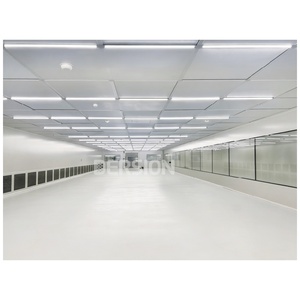
Orthopedic Implant Cleanroom Manufacturer
ISO Class 7
Sterile Packaging
OEM Cleanroom
Exclusively manufactured under ISO 13485 and cleanroom protocols for immediate distribution in the Czech Republic and Central European tenders.
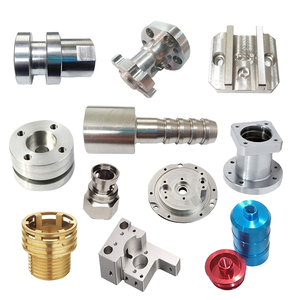
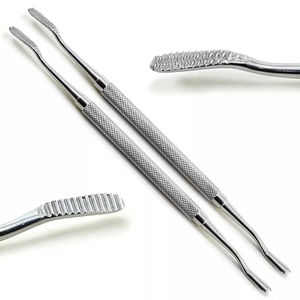
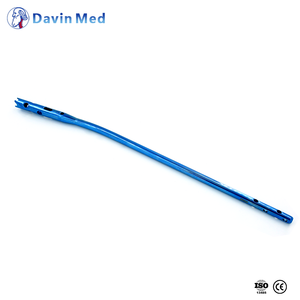
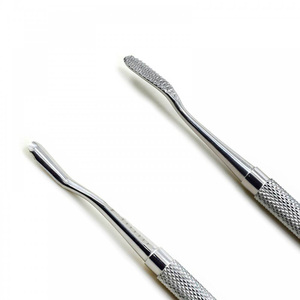
The Czech Republic represents one of Central Europe’s most sophisticated healthcare ecosystems. Driven by a robust public hospital network—comprising major University Hospitals (Fakultní nemocnice) such as Motol, VFN Prague, and St. Anne’s Brno—alongside specialized regional trauma centers (Traumatologická centra), the demand for certified, bio-compatible orthopedic devices continues to expand rapidly. For medical device distributors, procurement officers, and hospital purchasing syndicates operating within the Czech Republic, securing an established OEM/ODM manufacturing partner that harmonizes rigorous metallurgical standards with European regulatory frameworks is paramount.
Key Takeaway for Czech Procurement Managers: As the State Institute for Drug Control (Státní ústav pro kontrolu léčiv – SÚKL) enforces strict compliance under EU MDR 2017/745 and National Register of Medical Devices (RZPRO) logging, orthopedic importers must source from suppliers offering full technical documentation, verified raw material certification (ASTM F136/F138), and UDI-DI tracking.
Procuring orthopedic implants in the Czech Republic requires strict compliance with Czech National Procurement Law (Zákon o zadávání veřejných zakázek) and European Union regulations. All Class IIb and Class III active implantable medical devices entering Czech healthcare facilities must comply with the EU Medical Device Regulation (MDR 2017/745), replacing the outdated Medical Device Directive (MDD 93/42/EEC).
Our manufacturing workflow integrates complete regulatory transparency. We furnish Czech distribution partners with exhaustive Technical Files (STED format), clinical evaluation reports (CER), risk analysis documentation under ISO 14971, and official Certificates of Free Sale (CFS). Every implant SKU produced in our facilities features Unique Device Identification (UDI) laser-etched directly onto the component, allowing seamless scanning and registration into the Czech national RZPRO system and hospital Information Systems (NIS).
Biocompatibility and fatigue endurance dictate the clinical longevity of internal fixation devices. In trauma and reconstructive surgeries across Czech orthopedic departments, material failure is not an option. We utilize strictly certified medical-grade alloys sourced from audited raw material suppliers, meeting international ASTM and ISO specifications:
| Implant Material Specification | Standard Compliance | Mechanical Yield Strength | Primary Czech Clinical Applications |
|---|---|---|---|
| Ti-6Al-4V ELI (Grade 23) | ASTM F136 / ISO 5832-3 | ≥ 860 MPa | Spinal pedicle screws, thoracolumbar rods, intramedullary nails, cannulated screws |
| Commercially Pure Titanium (CP Grade 4) | ASTM F67 / ISO 5832-2 | ≥ 483 MPa | CMF micro/mini plates, craniomaxillofacial mesh, anatomical trauma plates |
| Stainless Steel 316L (High Nitrogen) | ASTM F138 / ISO 5832-1 | ≥ 690 MPa | External fixation pins, Schanz screws, temporary trauma plates, bone chisel tools |
| Polyether Ether Ketone (PEEK-OPTIMA) | ASTM F2026 | Modulus match to cortical bone | Interbody spinal fusion cages (TLIF, PLIF, ALIF), cervical spacers |
| CoCrMo Alloy (Cast & Wrought) | ASTM F1537 / ISO 5832-12 | High wear resistance | Total hip joint femoral heads, total knee replacement articulating components |
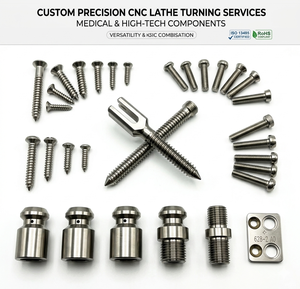
Using 5-axis Swiss-type precision CNC lathes and high-speed milling centers, our implants achieve micro-tolerances within ±0.005 mm. Screw threads feature self-tapping flutes designed to minimize insertion torque while maximizing pull-out strength in osteoporotic bone—a critical factor given Central Europe's aging demographic profile.
Final cleaning and primary blister sealing take place inside ISO 14644-1 certified Class 7 cleanrooms. Implants undergo bioburden testing (ISO 11737-1/2) and gamma/EtO sterilization validation (ISO 11137/11135), providing double-blister sterile packaging ready for direct operating theater entry.
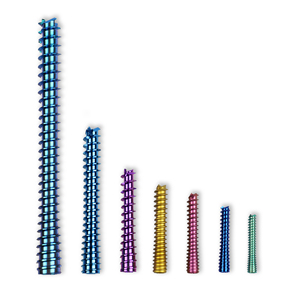
Type II electrochemical surface anodization produces bio-inert, non-cytotoxic titanium oxide layers. Color-coded implants (gold, dark blue, green, violet) allow Czech surgical teams to quickly match screw diameters with corresponding drills and aiming instruments during fast-paced trauma cases.
Every implant family is accompanied by custom-engineered surgical instrument sets. Crafted from high-hardness stainless steel (AISI 420/630), drivers, benders, drill guides, and reamers undergo rigorous autoclavability testing to ensure longevity across hundreds of sterilization cycles.
Our implant solutions are structured to address specific surgical workflows and institutional requirements within the Czech medical ecosystem.
Major trauma centers (e.g., FN Bulovka, FN Ostrava) require rapid, modular stabilization kits. Our titanium cannulated interlocking tibial nails and proximal femoral nails (PFN) feature anatomical pre-contoured geometry and multi-planar locking options, allowing trauma surgeons to perform minimally invasive closed reductions with shortened fluoroscopy exposure times.
Specialized spine departments (Spondylocentrum) demanding precise pedicle screw placement benefit from our 5-axis CNC machined polyaxial pedicle screws. Featuring friction-head technology and low-profile tulip designs, these constructs integrate seamlessly with PEEK interbody cages (TLIF/PLIF) to restore disc height and promote rapid fusion under VZP reimbursement frameworks.
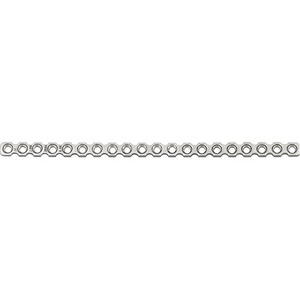
In specialized CMF clinics operating within university hospital systems, intraoperative plate malleability is paramount. Our pure titanium micro (1.5mm) and mini (2.0mm) plate lines provide ultra-low profile contouring for midface reconstructions and rigid mandibular fracture fixation, minimizing soft-tissue irritation and postoperative palpatory awareness.
With the Czech Republic holding one of Europe's highest companion animal ownership rates, high-tier veterinary referral clinics (in Brno, Prague, and Plzeň) rely on our 1.5mm/2.0mm/2.7mm straight reconstruction plates and headless cannulated compression screws for canine TPLO (Tibial Plateau Leveling Osteotomy) and fracture management.
Understanding the economic and legislative shifts shaping medical device procurement in the Czech Republic.
In the Czech Republic, national health insurance funds—predominantly Všeobecná zdravotní pojišťovna (VZP) alongside regional funds like RBP and OZP—classify orthopedic procedures under Diagnostic-Related Group (DRG) payment models. To ensure maximum reimbursement efficiency for hospital networks, implant suppliers must provide competitive unit pricing paired with exceptional clinical durability. Our direct-to-distributor OEM pricing structure enables Czech suppliers to submit winning tender bids while retaining healthy operating margins within DRG expenditure caps.
Central European healthcare tenders increasingly incorporate Environmental, Social, and Governance (ESG) scoring criteria. Responding to European green logistics trends, our primary blister packs utilize recyclable PETG medical-grade polymers and minimal outer packaging footprints. This reduces hospital clinical waste disposal costs without compromising sterile barrier integrity under ISO 11607 standards.
Across Czech orthopedic centers, there is a distinct surgical preference for percutaneous and MIS approaches that accelerate patient rehabilitation and shorten inpatient length-of-stay (LOS). Our percutaneous pedicle screw instrumentation, cannulated compression screws, and percutaneous intramedullary nailing systems directly address this clinical pivot, helping hospitals increase bed turnover rates.
Answers to key regulatory, logistical, and technical queries regarding orthopedic device import into the Czech market.
Empowering Central European medical suppliers with world-class engineering precision and uncompromised quality assurance.
From raw titanium bar stock cutting to 5-axis CNC milling, automated deburring, passivation, laser marking, and cleanroom packaging—our entire production chain is contained within ISO 13485 certified facilities.
Utilizing Zeiss coordinate measuring machines (CMM), optical comparators, and surface roughness testers, we inspect 100% of critical dimensions and thread profiles before releasing products for cleanroom washing.
Our international export team provides streamlined communication, technical dossier assembly, sample logistics management, and post-market surveillance support tailored specifically to Czech regulatory requirements.
Partner with a certified orthopedic manufacturer offering CE & ISO 13485 compliance, competitive OEM pricing, and reliable supply chain execution. Request technical documentation, trial samples, or a direct pricing proposal today.