Full-portfolio manufacturing including matching instrumentation sets, laser-etched lot traceability, and biocompatible medical materials.
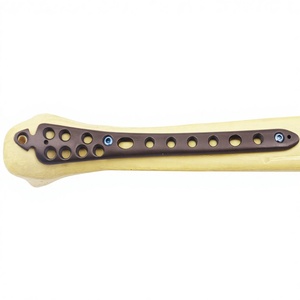
Orthopedic Titanium Trauma Implant Distal Tibial Medial Locking Plate Bone Fracture Internal Fixation Medical CE ISO Certified
Get Catalog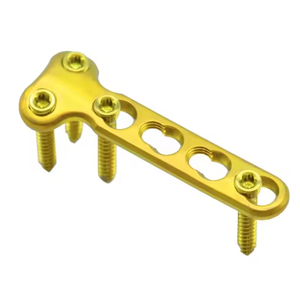
Full Range Orthopedic Bone Screw Set Titanium Implant System for Distributor Bulk Supply
Get Catalog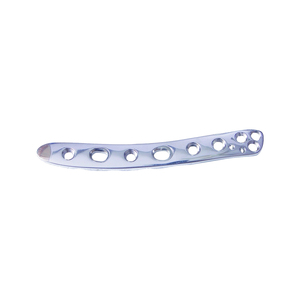
Wholesale Rate Stainless Steel Orthopedic Implants High Quality CE Certified Lightweight Medical Professional Customizable
Get Catalog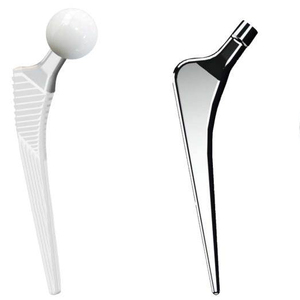
Knee Joint Prosthesis Hip System Orthopedic Implants Prosthetics Joints Endoprosthesis
Get Catalog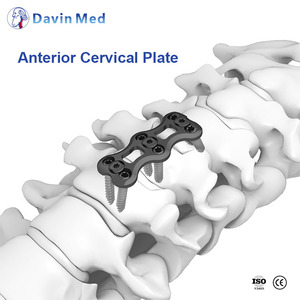
CE ISO Anterior Cervical Plate System Titanium Alloy Spine Implants Orthopedic Surgical Instruments for Cervical Fusion Surgery
Get Catalog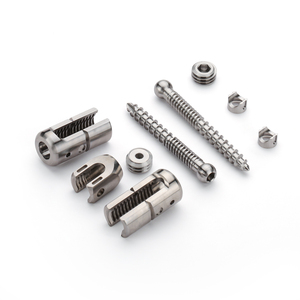
JZC High-quality Orthopedic Spinal Implant Posterior Thoracolumbar Nailing and Rod Fixation System Titanium Alloy
Get Catalog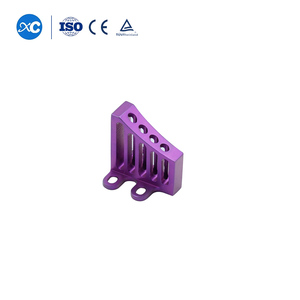
Premium Orthopedic Veterinary Trauma Implant Surgical Instrument - Titanium TTA Implant for Animal Orthopedic Trauma Surgery
Get Catalog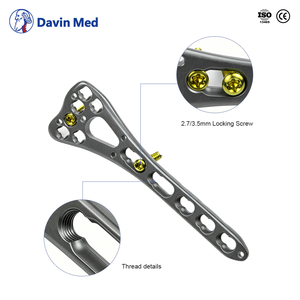
Davin Med Titanium Distal Radius Locking Plate System with Screws Kit 2.4mm Orthopedic Implant for Wrist Fracture Fixation
Get CatalogExecutive Whitepaper: Optimizing Orthopedic Supply Chains in Greater Sydney & New South Wales
The orthopedic device ecosystem in Sydney and across New South Wales (NSW) is undergoing a structural transition. Public health networks—such as South Eastern Sydney Local Health District, Sydney Local Health District, and Western Sydney Local Health District—alongside premier private hospital operators including Ramsay Health Care and Healthscope, face a dual challenge: surging demand for elective orthopedic procedures and strict cost-containment requirements imposed by the Australian Private Health Insurance (PHI) Prostheses List reforms.
Concurrently, the regulatory boundary between European CE certification and the Australian Therapeutic Goods Administration (TGA) has tightened. Under Australia's regulatory framework, orthopedic implants classified as Class IIb (such as trauma locking plates and cortical screws) and Class III (such as spinal pedicle screw systems and joint endoprostheses) require robust technical documentation to support inclusion on the Australian Register of Therapeutic Goods (ARTG). By leveraging the European Union's updated Medical Device Regulation (EU MDR 2017/745) conformity assessments, Sydney-based medical device importers and distributor networks can streamline their TGA ARTG submission pathways via the Comparable Overseas Regulator (COR) process.
As a premiere OEM/ODM manufacturer specializing in orthopedic implants and precision surgical instrumentation, our China-based manufacturing facilities bridge the gap between high-volume precision manufacturing and stringent regulatory compliance. We provide Sydney distributors with direct factory access to MDR-compliant trauma, spine, CMF, and arthroplasty portfolios—engineered to exacting biomedical tolerances from raw bar stock to sterile-ready delivery.
Biomedical Material Science & Regulatory Technical Architecture
Implant failure or intraoperative mismatch is unacceptable in modern orthopedic surgery. To ensure biological safety, mechanical integrity, and seamless integration with human cortical and cancellous bone structures, our manufacturing lines adhere strictly to internationally harmonized ASTM and ISO material specifications.
| Implant Material Grade | Standard Compliance | Clinical Applications | Biomechanical Profile & Benefits |
|---|---|---|---|
| Ti-6Al-4V ELI (Extra Low Interstitial) | ASTM F136 ISO 5832-3 | Distal tibial locking plates, pedicle screws, intramedullary nails, distal radius plates | Superior fatigue strength, light weight, excellent biocompatibility, low modulus of elasticity reducing stress shielding. |
| Commercially Pure Titanium (Grades 2 & 4) | ASTM F67 ISO 5832-2 | CMF mini-plates, maxillofacial mesh, reconstructive cranial brackets | High strain ductility enabling pre-contouring and intraoperative bending without micro-fracturing. |
| Implant-Grade Stainless Steel | ASTM F138 ISO 5832-1 | Trauma fracture plates, Schanz pins, external fixator rods, bone screws | 316L cold-worked grade offering maximum tensile strength, cost efficiency, and passivated corrosion resistance. |
| PEEK Optima® (Polyetheretherketone) | ASTM F2026 | ACDF cervical cages, PLIF/TLIF lumbar interbody spinal cages | Radiolucent properties allowing artifact-free CT/MRI post-op assessment; elastic modulus closely matching human cancellous bone. |
| CoCrMo Alloy & UHMWPE | ASTM F1537 ASTM F648 | Total knee femoral components, total hip stems, acetabular liners | Ultra-low friction bearing interfaces engineered to withstand millions of wear cycles under joint loading. |
Under EU MDR 2017/745, every medical device produced in our facility undergoes rigorous Clinical Evaluation Reports (CER), Risk Management File audits (ISO 14971), and biocompatibility testing according to the ISO 10993 series (including cytotoxicity, systemic toxicity, hemocompatibility, and genotoxicity). Furthermore, all titanium implants undergo electrochemical Type II or Type III color anodization, providing clear visual color-coding for surgical operating room staff during complex trauma cases.
Tailored orthopedic solutions designed to meet the clinical preferences of Sydney orthopedic surgeons and hospital Central Sterile Supply Departments (CSSD).
Trauma & Emergency Fixation
Clinical Focus: Level-1 Trauma Centers in Sydney (e.g., Royal Prince Alfred Hospital, St George Hospital).
- Anatomically pre-shaped Distal Tibia Medial Locking Plates.
- 2.4mm Distal Radius Volar Locking Systems with variable-angle locking screws.
- Cannulated self-tapping bone screw kits for quick emergency fixations.
Complex Spine Reconstruction
Clinical Focus: Specialized Spine Units and Private Surgical Clinics across NSW.
- Anterior Cervical Plate (ACP) Systems with dual locking mechanism to prevent screw back-out.
- Posterior Thoracolumbar Pedicle Screw & Rod Systems with top-loading friction-head screws.
- PEEK Cervical & Lumbar Interbody Cages for fusion procedures.
Joint Arthroplasty Systems
Clinical Focus: High-volume Elective Surgery Centers in Sydney Metropolitan Area.
- Primary & Revision Total Knee Replacement (TKR) endoprostheses.
- Cemented & Cementless Hip Stems with plasma-sprayed Titanium porous coating.
- High cross-linked UHMWPE liners optimized for low friction and extended implant longevity.
Veterinary Orthopedics
Clinical Focus: Veterinary Specialist Hospitals & Referral Trauma Centers in Greater Sydney.
- Titanium Tibial Tuberosity Advancement (TTA) implants for canine CCL repair.
- Micro-locking plate kits (1.5mm / 2.0mm / 2.7mm) for small animal fracture repair.
- Dedicated veterinary orthopedic instrument trays and drill guides.
Strategic Market Trends Transforming Sydney's Orthopedic Sector
To capture market share in Sydney's competitive healthcare landscape, medical device distributors and hospital procurement teams must align with several key technological and regulatory trends:
1. TGA Alignment with EU MDR
The Australian TGA continues to refine its regulatory framework, placing greater emphasis on clinical evidence, post-market surveillance (PMS), and Periodic Safety Update Reports (PSUR). Partnering with a manufacturer equipped with full EU MDR 2017/745 Class IIb and Class III technical dossiers accelerates the ARTG inclusion process for Australian sponsors.
2. OEM & Private-Label Demand
Australian medical distributors are increasingly seeking direct factory OEM partnerships to create proprietary brands. Direct branding on titanium plates, pedicle screw heads, and sterilization trays through precise fiber laser etching allows distributors to establish long-term brand equity across NSW public and private hospital tenders.
3. Modern CSSD Workflow Integration
Sydney hospital Central Sterile Supply Departments (CSSD) demand streamlined, lightweight sterilization containers with customizable silicone holders. Our factory manufactures ergonomic, autoclavable instrument kits designed specifically to withstand repeated steam sterilization cycles (134°C at elevated pressures) without degradation.
Enterprise Factory Strength: High-Precision Production Infrastructure
Located in China's premier medical device manufacturing hub, our state-of-the-art facility spans over 15,000 square meters, housing advanced machining, surface finishing, and quality control hardware. We operate under strict compliance with ISO 13485:2016 quality management systems.
5-Axis CNC Precision Lathes
Equipped with Swiss-type automatic lathes (Citizen & Star) and DMG Mori 5-axis machining centers, capable of achieving micro-level tolerances (±0.005mm) for complex screw threads, cannulated nails, and anatomically contoured plates.
Cleanroom & Passivation
Featuring ISO Class 7 cleanroom facilities for automated ultrasonic washing, acid passivation, and primary pouch sealing. Implants are supplied clean and ready for terminal sterilization or customer-specified packaging.
Biomechanical Testing Lab
In-house fatigue testing rigs running continuous mechanical simulations according to ASTM F1717 (Spinal Implant Constructs), ASTM F543 (Metallic Medical Bone Screws), and ISO 7206 (Hip Joint Prostheses).
Every single implant produced carries a laser-etched Unique Device Identifier (UDI), including the catalog number, lot number, and barcode. This ensures complete supply chain transparency—allowing Sydney clinical risk teams to trace any implant back to its original raw material mill test certificate (MTC).
Strategic Procurement Matrix for Sydney Importers & Distributors
Evaluating an orthopedic manufacturing partner requires analyzing regulatory documentation, manufacturing scalability, and operational support. Below is a comparative overview showcasing the advantages of partnering directly with our OEM factory:
| Evaluation Metric | Direct Factory OEM Supply (Our Platform) | Traditional Multi-Tier Importers | Impact on Sydney Distributors |
|---|---|---|---|
| Regulatory Documentation | Full EU MDR 2017/745 Technical Dossiers, ISO 10993 reports, CE certificates ready for TGA COR processing. | Partial documentation requiring secondary third-party authorization. | Faster ARTG listing times and reduced regulatory submission costs in Australia. |
| Unit Procurement Economics | Direct-from-factory wholesale pricing, eliminating 30%–50% intermediary distributor markups. | Layered margins across sub-distributors resulting in high end-user prices. | Competitive bidding advantage in NSW public health and private hospital tenders. |
| OEM Private Labeling | Full laser branding, custom color anodization, tailored tray layout, and branded packaging design. | Standard generic catalog products with limited or no customization options. | Builds long-term brand value and customer loyalty across Australian surgical networks. |
| Instrumentation Integration | Dedicated ergonomic surgical instrument sets engineered to exact implant thread and recess tolerances. | Mixed-source instruments leading to potential intraoperative recess stripping. | Enhanced surgeon satisfaction, seamless operating room workflow, and minimized surgical time. |
| Supply Chain Lead Time | Streamlined production cycles with air/sea freight routing direct to Port Botany or Sydney Airport (SYD). | Stock bottlenecks due to overseas regional warehouse delays. | Reliable inventory control and guaranteed safety stock reserves for urgent trauma calls. |
Detailed answers addressing regulatory, commercial, and technical inquiries from Australian medical importers and procurement executives.
How does EU MDR 2017/745 certification facilitate TGA ARTG registration in Australia?
+
What logistics options and transit times apply for shipments arriving in Sydney?
+
Can your factory provide private-label laser marking and custom packaging?
+
What material test reports and quality certificates accompany bulk orders?
+
What is the process for evaluating samples prior to placing a bulk tender order?
+
How do your matched surgical instrument sets prevent intraoperative complications?
+
Partner with China’s Leading MDR 2017/745 Orthopedic Factory for Sydney
Elevate your medical product portfolio with certified trauma locking plates, spinal pedicle screw systems, joint endoprostheses, and custom OEM surgical solutions engineered for Australian healthcare standards.
Get Catalog