Precision Orthopedic Implants & Instrument Kits
Factory-direct OEM export solutions engineered to ASTM/ISO standards, backed by complete lot traceability and technical registration dossiers for the Egyptian healthcare sector.
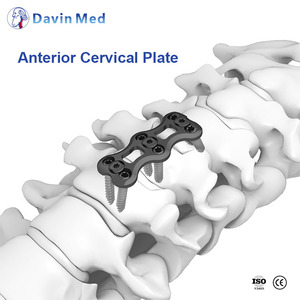
CE ISO Anterior Cervical Plate System Titanium Alloy Spine Implants Orthopedic Surgical Instruments for Cervical Fusion Surgery
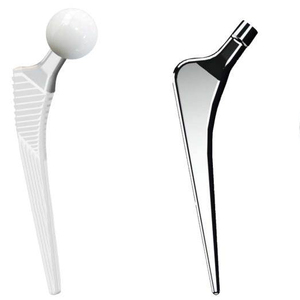
Knee Joint Prosthesis Hip System Orthopedic Implants Prosthetics Joints Endoprosthesis
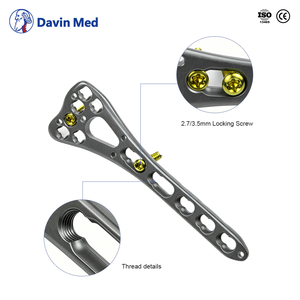
Davin Med Titanium Distal Radius Locking Plate System with Screws Kit 2.4mm Orthopedic Implant for Wrist Fracture Fixation
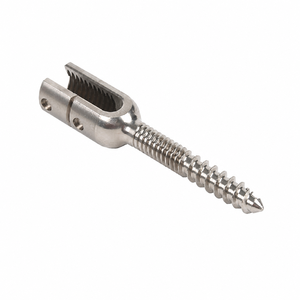
Titanium Pedicle Screw CNC Machining Service Spinal Orthopedic Bone Screw Custom Precision OEM Parts
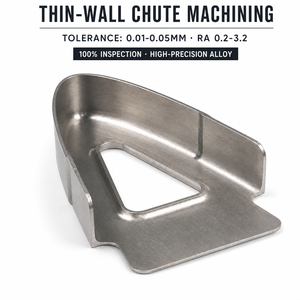
Precision Milled Parts For Dental Equipment And Implant Components Stainless Steel Machining Bulk Purchase Support
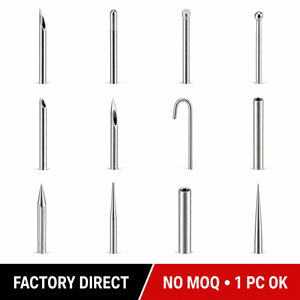
Micro Bone Screw Titanium Medical Grade Swiss CNC Machined Orthopedic Screw Component Custom OEM
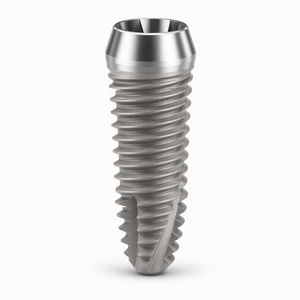
JXD Machining Precision CNC Machined Titanium Dental Implants Screw for Medical Device Surgical Spare Components 01
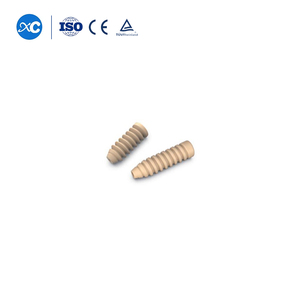
Sports Medicine Biocomposite ACL PCL Ligament Reconstruction Femoral Fixation Trauma Surgery PEEK Interference Screw
Executive Summary: Navigating China’s Orthopedic OEM Ecosystem for Egypt’s Medical Market
The Arab Republic of Egypt is undergoing a transformative modernization of its national healthcare infrastructure. Accelerated by the phased rollout of the Universal Health Insurance System (UHIS / Tamin El Sehy El Shamel) and centralized public procurement overseen by the Unified Procurement Authority (UPA / NUPAS), hospital networks across Cairo, Alexandria, the Nile Delta, and Upper Egypt are demanding unprecedented volumes of high-tier surgical implants. Historically dependent on Western European and North American orthopedic brands, Egyptian medical device importers, distributors, and healthcare authorities face tightening healthcare budgets, currency fluctuations, and localized tender requirements.
This economic reality has driven a strategic migration toward top-tier Chinese wholesale orthopedic implant manufacturers. However, for procurement teams, clinical evaluators, and regulatory officers in Egypt, evaluating Chinese suppliers requires looking far beyond initial unit quotes. The technical variance between a high-precision OEM factory (utilizing 5-axis Swiss CNC lathes, ASTM F136 ELI metallurgy, and validated cleanroom washing) and a low-end commodity machining shop is vast. Substandard screw thread tolerances, inconsistent anodization layers, or missing lot traceability can halt Egyptian Drug Authority (EDA) registration, cause intraoperative driver cam-out, or trigger implant failure in high-load trauma scenarios.
This industry benchmark whitepaper provides Egyptian medical importers with an empirical framework for comparing Chinese orthopedic implant manufacturers, evaluating metallurgical integrity, assessing matching surgical instrument kits, and streamlining EDA regulatory dossiers for tender success.
Comparative Benchmark Matrix: Chinese OEM Factories vs. Alternative Supply Tiers
When selecting a manufacturing partner in China to serve the Egyptian market, distributors must categorize suppliers based on engineering capabilities, quality governance, and regulatory responsiveness. The table below illustrates the critical performance metrics separating Tier-1 Integrated OEM Manufacturers from Tier-3 Commodity Suppliers.
| Evaluation Parameter | Tier-1 Integrated Chinese OEM (e.g., Orthomanufacturer) | Tier-3 Regional Machining Workshops | Impact on Egyptian Importers & Hospitals |
|---|---|---|---|
| Raw Titanium Material Grade | ASTM F136 Ti-6Al-4V ELI (Extra Low Interstitial) with full chemical mill certificates | Commercial Grade 5 Titanium or uncertified recycled stock | Prevents micro-fractures; ensures high fatigue strength during heavy weight-bearing trauma cases. |
| PEEK Polymer Sourcing | Implant-grade PEEK (ASTM F2026) certified for long-term biostability | Industrial-grade PEEK containing unreacted monomers | Eliminates tissue toxicity; ensures radiolucency and elastic modulus parity with cortical bone. |
| Machining Precision & Tolerances | Swiss-type 5-axis CNC turning-milling centers (±0.005mm accuracy) | 3-axis standard milling units (±0.03mm error margin) | Guarantees exact driver-screw recess engagement; prevents intraoperative screw stripping in surgery. |
| Surgical Tooling Alignment | Matched implant-instrument systems built and validated together | Generic, third-party instrument sets sold separately | Eliminates drill guide misalignment, tapping binding, and surgeon frustration in the operating room. |
| EDA Regulatory Dossier Support | Complete STED technical files, ISO 13485, CE conformity, and FSC documentation | Basic commercial invoices without standardized technical file dossiers | Accelerates product registration with the Egyptian Drug Authority (EDA) without technical rejections. |
| Traceability & Marking | 100% Fiber laser marking of catalog code, lot number, and GTIN barcode | Unmarked or basic batch ink printing prone to wash-off | Provides full audit trail for hospital quality assurance and post-market surveillance. |
Metallurgical Excellence & Manufacturing Engineering
Biomedical engineering demands rigorous control over material science. Implants installed in the human skeletal system endure multi-axial stress, cyclic loading, and corrosive physiological fluids. Leading Chinese factories supplying the Egyptian market uphold internationally recognized material standards:
Titanium Ti-6Al-4V ELI (ASTM F136)
Utilized for pedicle screws, locking plates, and intramedullary nails. The Extra Low Interstitial grade reduces oxygen and iron content, delivering superior ductility, ultimate tensile strength, and exceptional fatigue resistance under dynamic bodily stress.
Implant-Grade PEEK (ASTM F2026)
Engineered for spinal interbody cages and sports medicine interference screws. Polyetheretherketone (PEEK) features an elastic modulus (3.5 GPa) closely matching human trabecular bone, preventing stress shielding and enabling radiolucent X-ray evaluation.
Stainless Steel 316L (ASTM F138)
Formulated for trauma plates, Schanz pins, and external fixators where cost efficiency and initial rigid stability are paramount. Undergoes electro-polishing and passivation to build a dense chromium oxide layer preventing pitting corrosion.
CoCrMo Alloy (ASTM F1537) & UHMWPE
Applied in total hip and knee joint prostheses. Cobalt-Chromium-Molybdenum delivers smooth articulating surfaces, paired with Ultra-High Molecular Weight Polyethylene (ASTM F648) acetabular and tibial inserts for minimal volumetric wear rate.
Type II & Type III Anodization
Controlled electrochemical surface modification creating color-coded titanium implants (gold, blue, green, violet) according to diameter or plate anatomic position. Enhances surface hardness and simplifies intraoperative size selection for surgical teams.
Ultrasonic Multi-Stage Cleanroom Washing
Implants pass through automated multi-stage ultrasonic degreasing, purified RO water rinsing, hot air drying, and ISO Class 7 cleanroom primary packaging to guarantee zero endotoxin contamination or pyrogenic residue prior to final sterilization.
Localized Clinical Application Scenarios Across Egypt’s Healthcare Sector
Sourcing orthopedic hardware from China requires matching implant specifications to the operational realities of Egyptian medical facilities. The surgical environment varies significantly across public university hospitals, centralized tender institutions, and private medical complexes:
1. Public University Hospitals & Major Trauma Centers
Primary Facilities: Cairo University Hospitals (Kasr Al-Aini), Alexandria Main University Hospital, Mansoura Emergency Hospital, Assiut University Trauma Center.
Clinical Focus: High-volume high-energy road traffic accidents, complex long-bone non-unions, and severe peri-articular fractures. These surgical centers require heavy-duty trauma systems, including cannulated femoral and tibial intramedullary nails, 3.5mm/5.0mm titanium anatomical locking plates, and robust external fixation frames for damage-control orthopedics.
Supplier Requirement: Fast replenishment speed, high fatigue-resistant raw materials, and modular instrument trays that withstand high-frequency autoclave sterilization cycles.
2. Centralized Public Tenders (UPA / NUPAS & Ministry of Health)
Primary Facilities: National Health Insurance Organization (HIO) hospitals, Ministry of Health (MOH) regional facilities, and military hospital networks.
Clinical Focus: High-volume elective procedures, hip replacement programs for elderly femoral neck fractures, standard spine stabilization, and pediatric trauma management.
Supplier Requirement: Extremely competitive volume-tiered OEM pricing, strict compliance with UPA specification sheets, valid CE/ISO certification, and turnkey EDA approval dossiers for rapid tender submission.
3. Private Hospitals & Specialty Surgical Complexes
Primary Facilities: Premier private healthcare groups in New Cairo, 6th of October City, Sheikh Zayed, and Heliopolis.
Clinical Focus: Advanced minimally invasive spine surgery (MIS pedicle screw fixation, micro-invasive anterior cervical fusion), sports medicine (arthroscopic ACL/PCL reconstruction using PEEK interference screws and cortical suspension buttons), and premium joint arthroplasty.
Supplier Requirement: Premium surface finishes, ergonomic, lightweight instrument sets, low-profile implant geometry to minimize soft-tissue irritation, and private-label packaging matching international luxury branding standards.
Strategic Trends Shaping the Egyptian Orthopedic Market (2025–2030)
Egyptian medical device distributors and importers can leverage key macro-economic trends by forming direct OEM partnerships with Chinese factories:
- Expansion of the Universal Health Insurance System (UHIS): As the Egyptian government extends comprehensive healthcare coverage across Phase 2 and Phase 3 governorates (including Luxor, Aswan, Ismailia, Suez, and Delta governorates), hospital bed capacity and orthopedic surgery volumes are expanding exponentially. Distributors with cost-effective, high-quality Chinese implant portfolios are uniquely positioned to capture massive tender market share.
- Regulatory Stringency by the Egyptian Drug Authority (EDA): The EDA has aligned its device clearance protocols with global standards, requiring comprehensive technical files, ISO 13485 audits, and material testing reports. Chinese manufacturers providing direct regulatory dossier support allow local agents to clear registration hurdles months ahead of competitors.
- Growth of OEM Private Labeling for Egyptian Importers: Leading Egyptian medical distributors are increasingly transitioning from simple brand agency models to establishing their own proprietary orthopedic brands. Top Chinese OEM factories provide custom laser etching of Egyptian distributor logos, bespoke box designs, and localized Arabic/English Instructions for Use (IFU).
- Surge in Arthroscopy and Sports Medicine Demand: With growing youth participation in sports and expanding sports medicine clinics across Cairo and Alexandria, demand for ACL/PCL fixation anchors, PEEK interference screws, and meniscus repair systems is outpacing traditional trauma. Chinese manufacturers offering complete sports medicine suites are filling a critical market gap.
Why Partner with Orthomanufacturer Medical Co., Ltd?
As a leading Chinese designer, manufacturer, and direct exporter of orthopedic implants and surgical power tools, Orthomanufacturer Medical Co., Ltd serves as a reliable supply chain partner for medical device distributors across Egypt and the Middle East.
Precision Swiss CNC Machining
Our production floor features high-precision multi-axis Swiss-type lathe centers, enabling micron-level accuracy for complex pedicle screw threads, locking plate combination holes, and sub-miniature CMF screws.
Complete Implant & Instrument Kits
We do not just manufacture hardware—we engineer matching surgical instrument sets and sterilization trays, eliminating intraoperative mismatch and ensuring seamless clinical workflow for operating room staff.
Turnkey EDA Registration Support
Our experienced export regulatory department provides Egyptian distributors with fully formatted STED technical dossiers, CE certificates, ISO 13485 documentation, and Free Sales Certificates (FSC) to accelerate local EDA approval.
Frequently Asked Questions by Egyptian Buyers
Addressing regulatory clearance, shipping logistics, payment terms, and OEM customization for Egyptian medical device importers.
What documentation is provided to support Egyptian Drug Authority (EDA) registration?
We provide comprehensive STED-format technical files, ISO 13485 quality management certificates, CE mark documentation, raw material mill certificates (ASTM F136 / ASTM F2026), biocompatibility test reports, sterilization validation records, and notarized Free Sales Certificates (FSC) to facilitate swift clearance with the EDA.
Can implants and packaging be customized with our company logo in Egypt?
Yes. We offer complete OEM and private-label manufacturing services. We can laser-etch your company name, local brand logo, SKU number, and batch code directly onto the implants. Furthermore, we customize primary cleanroom packaging, outer boxes, and IFU manuals in bilingual English and Arabic formats.
How do you ensure surgical instruments match imported implants perfectly?
All our surgical instruments are designed concurrently with our implant systems using identical CAD/CAM coordinates. Every drill guide, tap, sleeve, and screwdriver head undergoes strict tolerance testing against corresponding screw heads and plate holes before shipping, preventing driver slippage or binding in surgery.
What are the typical sea and air freight lead times to Egyptian ports?
Standard production lead time for bulk orders is 3 to 4 weeks. Air freight express shipments to Cairo International Airport (CAI) typically take 5 to 7 days. Sea freight shipments to major Egyptian ports—including Port of Alexandria, Port Said, and Sokhna Port—range from 22 to 28 days transit time.
What payment terms and commercial methods do you support for Egyptian tenders?
We accommodate flexible payment methods suitable for Egyptian banking regulations, including Telegraphic Transfer (T/T), Letter of Credit at Sight (Irrevocable L/C), and Cash Against Documents (CAD) for established medical distributor partners participating in UPA/NUPAS tenders.
Can Egyptian distributors request sample kits for surgeon evaluation before placing volume orders?
Absolutely. Qualified medical importers and hospital supply managers in Egypt can apply for evaluation sample kits. Sample kits allow your local surgical advisory team to inspect surface finish, verify thread pitch tolerances, and test instrument ergonomics prior to finalizing bulk contracts.
Partner with China’s Premier Orthopedic OEM Exporter Serving Egypt
Contact our dedicated Middle East export engineering team today to request product catalogs, request technical EDA registration dossiers, or obtain wholesale factory pricing for your market.