Our precision-engineered portfolio features high-grade titanium alloy and stainless steel surgical implants, validated under stringent ISO 13485:2016 and US FDA regulatory standards. Designed for immediate integration into hospital supply chains across Sweden and the broader Nordic region.
The Scandinavian orthopedic device market—headlined by Sweden’s renowned healthcare system governed by regional authorities (such as Region Stockholm, Region Västra Götalandsregionen, and Region Skåne)—demands uncompromising precision, bio-compatibility, and stringent regulatory compliance. Procurement specialists, medical device importers, and hospital groups searching for FDA approved orthopedic implants factories & exporters in Sweden navigate a dual-regulatory environment. While European Union Medical Device Regulation (EU MDR 2017/745) controls local clinical deployment through the Swedish Medical Products Agency (Läkemedelsverket), US FDA 510(k) clearance acts as the international gold standard for material safety, fatigue testing endurance, and manufacturing process validation.
Export-oriented manufacturing partners operating within or supplying into Sweden must reconcile these regulatory frameworks. Achieving dual FDA approval and CE MDR certification guarantees that orthopedic implants—ranging from posterior cervical stabilization plates to cannulated intramedullary femoral nails—undergo exhaustive mechanical characterization, including axial compression, dynamic torsional loading, and wear particle analysis per ASTM standards.
Modern orthopedic implant manufacturing relies on raw material purity to eliminate intraoperative micro-fractures and post-implant metallosis. Advanced factories serving the Swedish export market adhere strictly to international metallurgical standards:
- Titanium Alloy Ti-6Al-4V ELI (ASTM F136 / ISO 5832-3): Extra Low Interstitial grade offering superior fracture toughness and bio-inertness for pedicle screws, locking compression plates (LCP), and intramedullary rods.
- Unalloyed Commercially Pure Titanium (ASTM F67 / ISO 5832-2): Preferred for micro and mini CMF (Craniomaxillofacial) plates due to superior intraoperative malleability.
- Surgical Stainless Steel 316L (ASTM F138 / ISO 5832-1): Vacuum Arc Remelted (VAR) steel providing exceptional tensile strength for temporary trauma fixators, bone files, and external fixation pins.
- PEEK OPTIMA (ASTM F2026): Radiotranslucent polyetheretherketone polymers configured with radiopaque marker pins for lumbar and cervical interbody fusion cages.
Below is a comprehensive technical breakdown of implant categories available for OEM/ODM export and distribution within Sweden and worldwide healthcare markets:
| Product System | Material Standard | FDA / Regulatory Status | Mechanical Specification | Primary Clinical Application |
|---|---|---|---|---|
| Spine Pedicle Screw System | Ti-6Al-4V ELI (ASTM F136) | FDA 510(k) / CE Class IIb | Static Torsion > 6.8 Nm / Fatigue > 5M cycles | Thoracolumbar stabilization, degenerative disc repair |
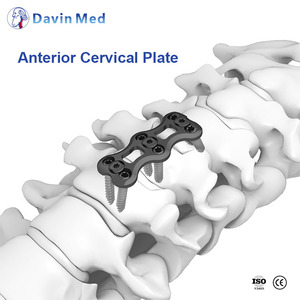
| Anterior Cervical Plate | CP Titanium (ASTM F67) / Ti Alloy | FDA 510(k) / CE Class IIb | Low profile 1.5mm - 2.2mm thickness | Cervical spine fusion, trauma reconstruction |
| Intramedullary Nail System | Ti-6Al-4V ELI / 316L Stainless | FDA 510(k) / CE Class IIb | Cannulated design / Multi-planar locking | Femoral, tibial, and humeral fracture fixation |
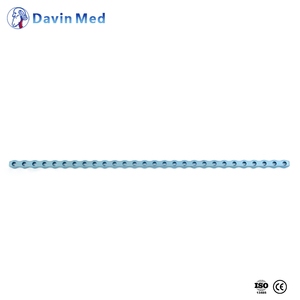
| Locking Compression Plates (LCP) | Titanium / Stainless Steel VAR | FDA 510(k) / CE Class IIb | Anatomical pre-contoured combi-holes | Distal radius, proximal humerus, tibial plateau |
| External Fixator Systems | Carbon Fiber Rods / 316L Pin | FDA 510(k) / CE Class IIa | Radiolucent frame stiffness > 180 N/mm | Complex open fractures, damage control orthopedics |
| Veterinary ALPS Implants | CP Titanium Grade 4 | ISO 13485 Vet Standard | 2.0mm to 3.5mm AO reconstruction geometry | Small animal & equine orthopedic trauma |
Understanding the localized clinical environment in Sweden is vital for medical device exporters and hospital procurement boards. Sweden’s healthcare model emphasizes rapid patient rehabilitation, minimally invasive surgical techniques (MIS), and ultra-low infection rates.
With an aging active demographic across Swedish municipalities, fragility fractures of the proximal femur and distal radius represent a major surgical workload. FDA-cleared anatomical locking plates with angular stable screws provide superior pull-out strength in low-density osteoporotic bone, allowing early weight-bearing in post-operative care units.
Scandinavian alpine centers (e.g., Åre, Sälen) generate seasonal spikes in high-energy joint dislocations and ligament tears. Exporters supplying titanium suture anchors, PEEK interference screws, and clavicle hook locking plates enable specialized orthopedic clinics to execute rapid arthroscopic repairs.
Major academic university hospitals like Karolinska Institutet and Sahlgrenska University Hospital perform complex spinal fusion procedures. Low-profile anterior cervical plate systems and polyaxial pedicle screws allow surgeon teams to maintain optimal lordosis restoration while reducing operative time.
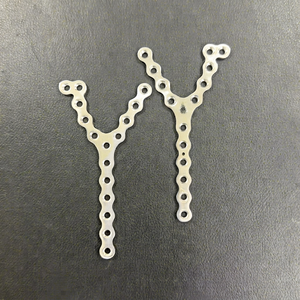
Sweden’s equestrian and companion animal care market demands specialized implants. AO-type ALPS titanium reconstruction locking plates (2.0mm to 3.5mm) provide flexible biological internal fixation tailored for veterinary surgical centers.
Looking ahead toward 2030, several macro trends define how Swedish medical buyers select global manufacturing partners and exporters:
Sweden leads Northern Europe in environmental sustainability mandates. Public health tenders issued by regional councils increasingly include lifecycle carbon emission evaluations. Exporters integrating green energy CNC machining, recyclable protective packaging, and eco-friendly chemical passivation gain a strong competitive advantage in tender scoring.
Additive manufacturing (Electron Beam Melting - EBM and Selective Laser Sintering - SLS) allows factories to create highly porous trabecular surfaces on interbody cages and joint prostheses. Emulating native cancellous bone structure accelerates osteointegration and reduces long-term implant loosening.
Minimally Invasive Surgery (MIS) reduces hospital stays and patient recovery times—core goals of the Swedish public health system. Implants engineered with self-tapping threads, cannulated guide wires, and navigation-ready instrument quick-connectors are rapidly replacing traditional open surgical tools.
Factory Excellence & Export Engineering Infrastructure
Our state-of-the-art manufacturing facilities serve as a reliable OEM/ODM engine for Swedish medical brands, private-label distributors, and international healthcare buyers.
5-Axis Swiss CNC Precision
Machining tolerances maintained within ±0.005mm using high-precision DMG MORI and Citizen Swiss lathe systems.
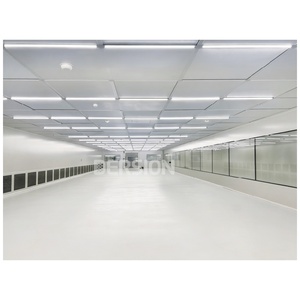
ISO Class 8 Cleanroom Packaging
Primary packaging executed in validated cleanrooms, ensuring ultra-low bioburden and endotoxin levels prior to sterilization.
Full Regulatory Dossier Support
Complete technical documentation including ISO 10993 biocompatibility reports, ASTM F1717 fatigue testing data, and IFU documentation.
100% UDI Laser Traceability
Every implant is laser marked with unique serial and batch numbers, guaranteeing raw material trace-back to mill test reports.
Custom OEM Color Anodizing
Type II and Type III titanium surface anodization for intuitive intraoperative size identification and enhanced wear resistance.
Turnkey Tender Fulfillment
Complete product kits combining implants, matched surgical instruments, and aluminum sterilization containers ready for immediate hospital delivery.
To ensure seamless international trade, technical registration, and logistics clearance into Swedish ports (e.g., Gothenburg, Stockholm), we execute a structured 6-phase export workflow:
What regulatory approvals are required to import orthopedic implants into Sweden?
Are material certificates provided with every export shipment?
Can Swedish distributors order OEM private-label implants with custom laser marking?
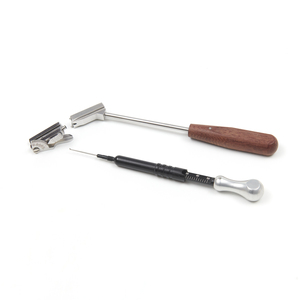
How are surgical instruments matched to specific implant systems?
What is the standard delivery lead time for orders shipped to Sweden?
Do you offer sample kits for evaluation prior to bulk tender commitments?
Partner with a Leading Certified Orthopedic Implant Manufacturer
Expand your product portfolio with FDA-cleared, CE-certified spine, trauma, CMF, and sports medicine implant systems. Contact our specialized export engineering team today for technical dossiers, OEM pricing, and sample evaluations.
Send an Inquiry