Featured Orthopedic Implant Systems & Specialized Surgical Tooling
Every implant family is engineered from surgical grade titanium alloys, medical PEEK, or stainless steel, accompanied by color-coded dedicated instrument trays for precise surgical execution in trauma and reconstruction procedures.
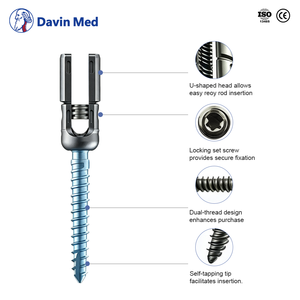
DavinMed CE/ISO Spine Polyaxial Pedicle Screw Long Tail Titanium Orthopedic Implant
Designed for thoracolumbar spine stabilization, featuring 50-degree polyaxial angulation, friction-head design, and pre-sterilized cleanroom packaging.
Contact Us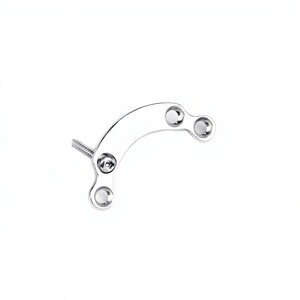
Veterinary Orthopedic Implants Acetabular Plate Stainless Steel CE Certified
Anatomically contoured pelvis and acetabular trauma plates engineered specifically for veterinary orthopedic intervention and fracture repair.
Contact Us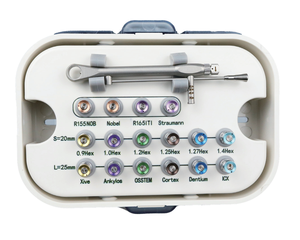
Orthocare Electric Dental Handpiece Surgical Implant Tool Box with CE Certificates
Ergonomic electric surgical handpiece with step-less variable torque transmission, designed for maxillofacial and dental implant surgery.
Contact Us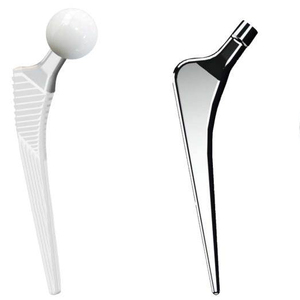
Knee Joint Prosthesis Hip System Orthopedic Implants Endoprosthesis
Total joint replacement components featuring plasma-sprayed titanium coating for biological fixation and ultra-low friction wear surfaces.
Contact Us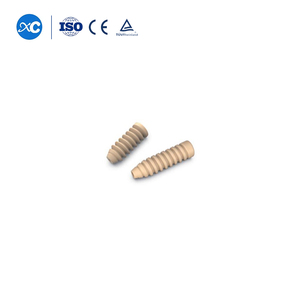
Sports Medicine Biocomposite ACL PCL Ligament Reconstruction PEEK Interference Screw
Fully bio-compatible interference screws providing secure tendon graft fixation in knee arthroscopy without graft laceration risks.
Contact Us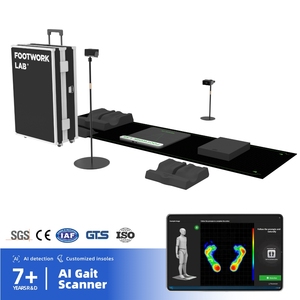
Orthopedic Foot Scanner USB Interface Podiatry Assessment Device for Gait Analysis
High-precision optical foot scanner for podiatric evaluation, gait analysis, and automated custom orthotic manufacturing workflows.
Contact Us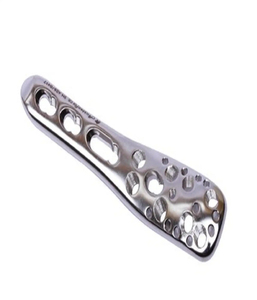
SureMed Instruments Orthopedic Implants Set PHILOS Plate 3.5 Set
Anatomical locking plate system for proximal humerus fractures, accompanied by dedicated torque-limiting screwdrivers and instruments.
Contact Us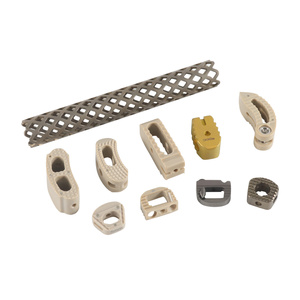
Variety of Orthopedic Spine Anterior Cervical Implant Titanium Plate System
Ultra-low profile cervical plate system featuring an integrated tactile locking mechanism to prevent screw backout post-operative insertion.
Contact UsNavigating Russia's Orthopedic Implant Supply Chain Transformation
The medical device landscape in the Russian Federation and CIS region is undergoing a structural realignment. Healthcare institutions, municipal trauma centers (ГБУЗ), and federal research institutes are aggressively transitioning away from legacy Western brands toward validated Tier-1 manufacturers capable of delivering international standard quality (ISO 13485, CE) with stable, sanction-resistant supply lines.
For medical device distributors in Moscow, Saint Petersburg, Novosibirsk, Ekaterinburg, and regional logistics hubs, long-term success hinges on partnering with manufacturing facilities that provide complete regulatory dossier backing for Roszdravnadzor (РЗН - Росздравнадзор) registration, transparent material certifications (ASTM F136 Ti-6Al-4V ELI), and direct financial clearing channels (CNY/RUB settlement).
Key Compliance Pillars for Russian Import
- ✔ Toxicological & Technical Testing: Full support for Russian state-accredited laboratory audits.
- ✔ Cyrillic Packaging & IFU: Factory-level OEM laser marking and dual-language labeling.
- ✔ Uninterrupted Freight Corridors: Overland rail via Manzhouli/Zabaykalsk and maritime delivery via Vladivostok.
- ✔ Financial Flexibility: Seamless RUB/CNY direct payments without SWIFT friction.
Localized Application Scenarios across Russian Healthcare Sectors
Surgeons across regional Russian trauma clinics require high-performance, predictable implant behavior under extreme physiological and environmental conditions. Our product lines are tailored for specific clinical operating realities.
Winter Fracture Surges & Urgent Trauma Fixation
Sub-zero Russian winter conditions precipitate severe seasonal spikes in high-energy slip-and-fall fractures. Distal radius locking plates, ankle malleolar plates, and intramedullary tibial nails experience heavy demand. Our anatomical locking plate systems allow quick intraoperative contouring and stable bicortical screw fixation, reducing operative times in overloaded emergency rooms.
Industrial & High-Velocity Trauma in Mining Hubs
In heavy industrial centers such as the Urals and Kuzbass, complex polytrauma cases demand robust open reduction internal fixation (ORIF). Our long-tail polyaxial pedicle screws and 3.5mm/4.5mm titanium locking systems provide exceptional fatigue strength (exceeding ASTM F136 limits), ensuring load-bearing stability during prolonged spinal and long-bone consolidation.
Elective Arthroscopy & Sports Medicine in Private Centers
Modern private clinical networks in Moscow and Saint Petersburg are rapidly expanding soft-tissue reconstruction procedures. Our PEEK and biocomposite ACL/PCL interference screws, paired with arthroscopic suture anchors, deliver zero-inflammatory tissue response, radiolucent post-op imaging, and dependable graft tensioning for active sports injuries.
Engineering Excellence & Precision Manufacturing Controls
The difference between standard hardware and a certified medical implant lies in micro-tolerances, surface metallurgy, and absolute lot cleanliness. Here is how our manufacturing facility maintains uncompromising quality.
1. Swiss-Type 5-Axis CNC Precision
Utilizing high-precision Tornos and Citizen CNC lathes, screw threads, pedicle tulip heads, and cannulated channels are machined to tolerances within ±0.005mm, preventing driver slipping or cross-threading during surgery.
2. Type II & III Anodization Finishing
Controlled electrochemical surface anodization enhances fatigue resistance and provides vibrant, non-toxic color-coding across plate and screw sizes, eliminating OR confusion during high-stress procedures.
3. ISO Class 7 Cleanroom & Sterilization
Implants are ultrasonic cleaned in ultra-pure water systems and packaged inside ISO Class 7 cleanrooms with double-sterile blister Tyvek packaging, ready for gamma or EO sterilization.
Standard Implant Materials & Certification Reference
| Material Grade | International Standard | Mechanical Advantage | Primary Clinical Application |
|---|---|---|---|
| Ti-6Al-4V ELI Titanium | ASTM F136 / ISO 5832-3 | High strength-to-weight ratio, low elastic modulus | Pedicle Screws, Trauma Plates, Nails |
| PEEK-OPTIMA Polymer | ASTM F2026 | Radiolucent, cortical bone modulus match | Spine Interbody Cages, Interference Screws |
| 316L Surgical Steel | ASTM F138 / ISO 5832-1 | High yield strength, cost-effective fracture control | Veterinary Plates, External Fixator Pins |
| CoCrMo Alloy | ASTM F1537 / ISO 5832-12 | Extreme hardness, ultra-low articulating wear | Femoral Heads, Knee Prosthesis Condyles |
Purchasing & Regulatory Guidance for Russian Medical Importers
Addressing critical questions regarding registration dossiers, logistics, customized Cyrillic private labeling, and procurement terms.
How do you support Roszdravnadzor (РЗН) registration for Russian medical device distributors? +
Can you supply products with Cyrillic laser marking and Russian packaging? +
What are the available logistics channels for shipping orthopedic orders into Russia? +
1. Overland Rail Freight: Direct container trains via Heihe-Blagoveshchensk or Manzhouli-Zabaykalsk directly to Moscow, Novosibirsk, or Ekaterinburg rail terminals.
2. Sea-Rail Multimodal: Shipping via Qingdao/Ningbo to Vladivostok/Vostochny ports, followed by the Trans-Siberian Railway.
3. Express Air Cargo: Direct flights to Sheremetyevo (SVO) or Domodedovo (DME) for urgent surgical instrument or sample requests.