Swiss-Market Ready Orthopedic Systems
Engineered to stringent international standards (ISO 13485, ASTM F136, ASTM F138). Below is our audited catalog selection optimized for clinical efficiency across European and Swiss surgical facilities.
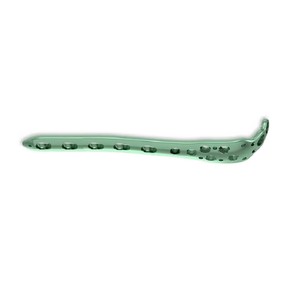
Wholesale Orthopedic Implants Export Quality Surgical Implant Manufacturer and Supplier
Comprehensive trauma and reconstructive implants forged from biocompatible Ti-6Al-4V ELI. Exceptional fatigue strength and micro-grooving for fast osseointegration.
Get Catalog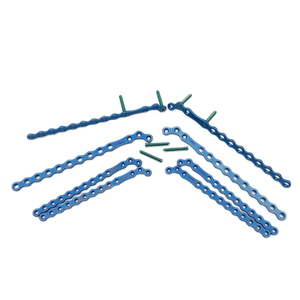
Orthopedic Animal Surgery Veterinary Titanium Bone Implants Plate Vet Kit for Dog & Cat ISO13485 Certified
High-precision veterinary bone plate sets with ultra-low profile contoured designs. Suited for complex canine and feline orthopedics in Swiss veterinary hospitals.
Get Catalog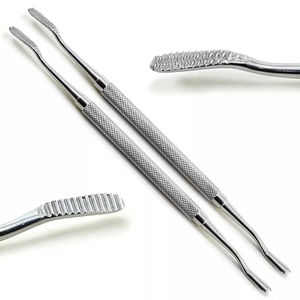
High Grade Stainless Steel Premium Quality Dental Howard Bone Files Set 2pcs Orthopedic Bone Chisel File Medic Instrument
German-spec surgical stainless steel instruments featuring double-ended cross-cut teeth for fine intraoperative bone contouring and smooth periosteal scraping.
Get Catalog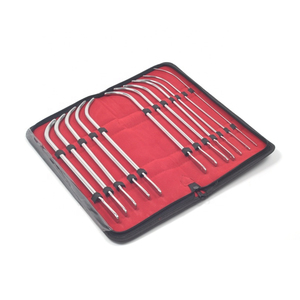
Orthopedic Surgical Implants L-Plate 6 Holes Thick Orthognathic Stainless Steel Manual High-quality Clinic Use
Anatomic 6-hole thick L-plates for reconstructive maxillo-facial trauma. Provides rigid internal fixation with zero intraoperative spring-back distortion.
Get Catalog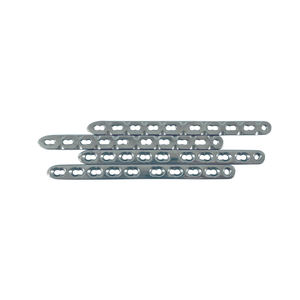
Surtechs Veterinary Orthopedic Implant 3.5mm for Plate High Quality Stainless Steel Manual General Surgery Use CE Certified
Engineered 3.5mm compression trauma plates constructed from passivated medical steel. Formulated for dynamic load distribution during animal fracture healing.
Get Catalog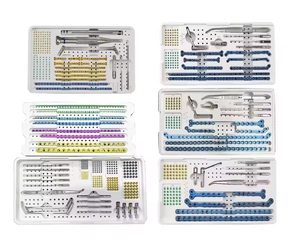
ZMD Veterinary Orthopedic Implants Kit 8.5mm Titanium Bone Plate Plasticity Orthopedic Surgical Instruments for Pet Surgery
Large animal & canine 8.5mm titanium system with enhanced contouring plasticity. Complete with color-coded drill guides and self-tapping locking screws.
Get Catalog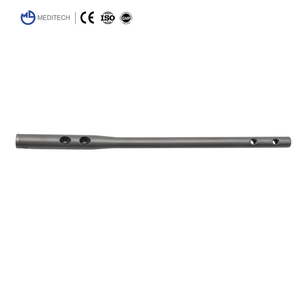
Factory Price High Quality CZMEDITECH Titanium Alloy Orthopedic Intramedullary Nail Implants CE ISO Certified Class III Model
Cannulated interlocking intramedullary nails for femoral and tibial shaft fractures. Features multi-planar distal locking options for maximum rotational stability.
Get Catalog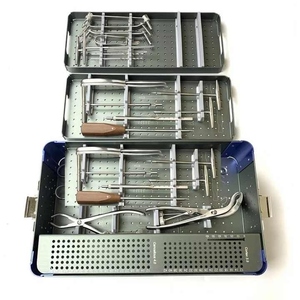
Small Fragment Instruments Orthopedic Instruments Orthopedics Medical Equipment HIGH QUALITY
Comprehensive 2.7mm/3.5mm small fragment instrument tray including torque-limiting screwdrivers, drill bits, bending irons, and depth gauges in an autoclavable case.
Get CatalogNavigating the Swiss Orthopedic Ecosystem: Quality Standards, MedDO Alignment & Precision Manufacturing
An in-depth analysis of regulatory compliance, raw material metallurgy, surgical applications, and OEM contract manufacturing strategies for medical device suppliers serving cantonal hospital networks and private Swiss clinics.
1. Swiss Healthcare Landscape & Regulatory Framework (Swissmedic & MedDO)
Switzerland's medical technology sector represents the highest density of MedTech employment and research innovation globally. However, following the institutional changes in bilateral agreements between Switzerland and the European Union, the regulatory pathway for importing Class I, Class IIa, Class IIb, and Class III orthopedic implants has evolved. The Swiss Agency for Therapeutic Products (Swissmedic) enforces the Medical Devices Ordinance (MedDO), demanding rigorous risk management protocols (ISO 14971), clinical evaluation reports (CER), and localized single registration numbers (CHRN).
For overseas orthopedic implant manufacturers and factory suppliers to successfully enter the Swiss market, products must strictly adhere to international material specifications such as ASTM F136 / ISO 5832-3 for Titanium Ti-6Al-4V ELI (Extra Low Interstitial) and ASTM F138 / ISO 5832-1 for implant-grade 316L VM stainless steel. Swiss surgical teams—operating within leading institutions like University Hospital Zurich (USZ), Hôpitaux Universitaires de Genève (HUG), and Inselspital Bern—demand absolute micro-dimensional reproducibility, complete fatigue-test verification, and standardized color anodization to prevent surgical errors during high-stress intraoperative environments.
2. Localized Application Scenarios Across Swiss Surgical Disciplines
The localized demands for orthopedic hardware in Switzerland are heavily shaped by geography, sports demographics, and an aging population profile. Contract manufacturing lines and wholesale supply chains must cater to four primary surgical pillars:
Alpine Sports Trauma Fixation
Switzerland's booming winter sports culture in Valais, Graubünden, and the Bernese Oberland leads to a high incidence of high-velocity alpine injuries. Distal radius locking plates, tibial plateau anatomical plates, and retro/anterograde intramedullary femoral nails require high torsional rigidity to stabilise complex spiral and comminuted fractures.
Degenerative Spine & Joint Arthroplasty
With over 18% of the Swiss population aged 65 and older, degenerative lumbar spine disease and joint osteoarthritis drive high consumption of polyether ether ketone (PEEK) interbody fusion cages, pedicle screw fixation systems, and high-wear-resistant CoCrMo total hip and knee prostheses.
Cranio-Maxillofacial (CMF) Surgery
Reconstructive facial procedures require micro-thin pure titanium (CP Grade 2 / ASTM F67) L-plates, T-plates, and mesh constructs. Precision hand instruments—such as Howard bone files and chisels—are critical for micro-osteotomy preparation without damaging delicate neurological structures.
High-Tier Swiss Veterinary Orthopedics
Swiss pet owners invest significantly in companion animal health. Veterinary surgical kits featuring 2.0mm, 2.7mm, 3.5mm, and 8.5mm TPLO (Tibial Plateau Leveling Osteotomy) locking bone plates and specialized instruments are widely adopted across referral veterinary clinics in Zurich and Geneva.
3. Material Science Benchmark & Metallurgical Specifications Matrix
In orthopedic manufacturing, raw material integrity dictates clinical longevity. Below is a detailed technical comparative matrix outlining the mechanical standards, biocompatibility metrics, and typical applications of core medical grade metals and polymers utilized in our manufacturing facilities.
| Material Class | International Standard | Tensile Strength (MPa) | Elastic Modulus (GPa) | Key Surgical Indications |
|---|---|---|---|---|
| Ti-6Al-4V ELI Titanium Alloy | ASTM F136 / ISO 5832-3 | ≥ 860 MPa | 110 GPa | Intramedullary nails, pedicle screws, trauma locking plates, suture anchors. |
| Commercially Pure Titanium (CP Ti) | ASTM F67 / ISO 5832-2 | 240 - 550 MPa | 105 GPa | CMF micro-plates, orbital mesh, reconstructive orthognathic plates. |
| 316L VM Surgical Stainless Steel | ASTM F138 / ISO 5832-1 | ≥ 860 MPa | 193 GPa | Bone chisels, Howard bone files, small fragment plates, Schanz pins. |
| CoCrMo Alloy (Cobalt-Chrome) | ASTM F1537 / ISO 5832-12 | ≥ 897 MPa | 210 GPa | Femoral heads, total knee tibial trays, heavy load-bearing joint prostheses. |
| PEEK Optima (Polyether Ether Ketone) | ASTM F2026 | 90 - 100 MPa | 3.6 GPa (Bone-matched) | Spinal interbody fusion cages (PLIF/TLIF/ACDF), radiolucent implants. |
All incoming raw materials undergo strict spectral chemical analysis, ultrasonic flaw detection, and microstructural grain size verification. Mill test certificates according to EN 10204 3.1 are archive-linked directly to laser-etched lot numbers on every finished product, providing 100% full traceability from mill stock to sterile surgical field.
4. Swiss Localized Procurement Trends & Supply Chain Innovations
In recent years, Swiss medical equipment buyers have shifted focus toward key strategic imperatives to maintain operational resilience and fiscal sustainability:
Supply Chain Decoupling
To avoid regional logistics bottlenecks, Swiss hospital consortia are establishing dual-sourcing partnerships with accredited overseas manufacturers capable of supplying high-volume OEM/private-label stock under strict lead times.
Eco-Sustainable Reprocessing
Surgical instrument design must support repeated thermo-disinfection and autoclaving cycles without surface degradation. Electropolished 316L VM steel and hard-anodized aluminum delivery cases minimize environmental waste.
Modular Kit Integration
Procurement managers favor unified tray layouts where one instrument set supports multiple screw diameters (e.g., universal 2.7/3.5mm small fragment trays), reducing inventory holding costs and central sterile supply department (CSSD) turnover times.
5. OEM & Contract Manufacturing Engineering Workflow
As a dedicated contract manufacturer supplying established medical device brands across Europe and Switzerland, our factory infrastructure operates a comprehensive 5-step OEM validation protocol:
CAD/CAM Review
Design transfer analysis using SolidWorks and CAM simulation to verify toolpaths and stress concentration profiles.
5-Axis Machining
High-speed machining centers (Swiss-type CNC) executing anatomical contours with sub-micron tolerances.
Surface Treatment
Automated citric/nitric acid passivation, bead blasting, and Type II anodizing for durable color coding.
Cleanroom Assembly
ISO Class 7 cleanroom ultrasonic washing, bioburden monitoring, and double-pouch sterile packaging.
Why Swiss Importers & Global Brands Partner With Us
Combining advanced manufacturing technology with rigorous quality assurance systems to deliver certified orthopedic solutions worldwide.
ISO 13485:2016 Certified
Our quality management system is audited annually to maintain international medical device standard compliance, supporting seamless registration under Swissmedic and European CE frameworks.
Advanced CMM & Optical Metrology
100% dimensional inspection utilizing ZEISS 3D coordinate measuring machines and optical comparators to ensure thread pitches, lock angles, and hole alignments are flawless.
Private Label & Custom OEM Support
From custom laser engraving of brand logos and UDI barcode marking to tailor-made autoclavable sterilisation tray configurations, we turn your engineering drawings into finished commercial products.
Frequently Asked Questions by Swiss Procurement Teams
Key answers regarding compliance, lead times, logistics, and technical documentation for Swiss hospital buyers and distributors.
What documentation is provided to support Swissmedic and MedDO compliance?
Can you manufacture custom orthopedic implants based on proprietary engineering drawings?
What raw material grades are used for trauma plates and intramedullary nails?
How do you ensure zero-defect quality across batch production runs?
What are the typical lead times for wholesale export orders to Switzerland?
Are sample kits available for physical evaluation prior to bulk contract signing?
Partner With a Certified Orthopedic Implant Manufacturer Today
Request our complete 2025 product catalog, technical dossiers, and direct factory quotation tailored for the Swiss medical market.