Davin Med Titanium Distal Radius Locking Plate System
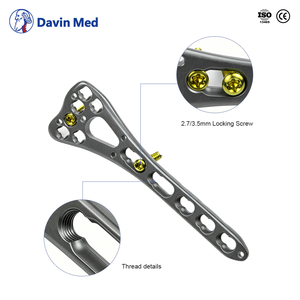
Anatomically contoured 2.4mm low-profile titanium locking plate system designed for distal radius intra-articular and extra-articular fracture stabilization with minimal soft tissue friction.
Engineered to rigorous international standards (ISO 13485, ASTM F136, ASTM F138). Optimized for trauma, spine, reconstruction, and specialized surgical workflows across Norwegian healthcare providers.
Anatomically contoured 2.4mm low-profile titanium locking plate system designed for distal radius intra-articular and extra-articular fracture stabilization with minimal soft tissue friction.
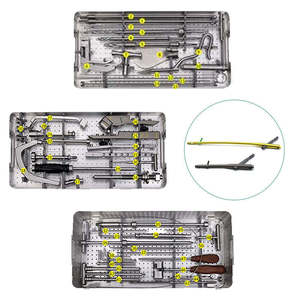
Proximal Femoral Nail Antirotation (PFNA) system features helical blade compression technology designed for osteoporotic bone compaction and stable trochanteric fracture fixation.
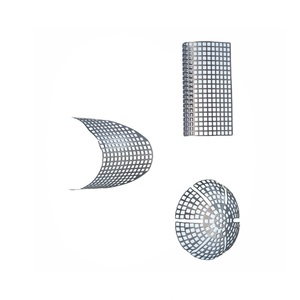
3D-moldable Commercially Pure and Titanium Alloy surgical mesh engineered for complex bone defect reconstruction, trauma grafting, and cranio-maxillofacial load sharing.
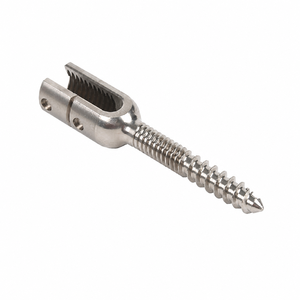
High-fatigue polyaxial spinal fixation screw manufactured via 9-axis Swiss CNC machines. Features dual-thread geometry for superior cortical and cancellous pullout resistance.
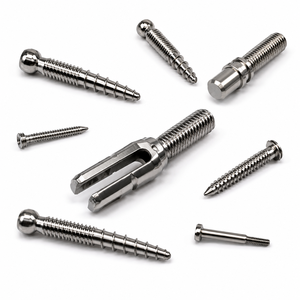
Self-tapping cortical and cancellous surgical bone screws engineered from Ti-6Al-4V ELI and 316L Stainless Steel with micro-passivated finishes for rigid osteosynthesis.
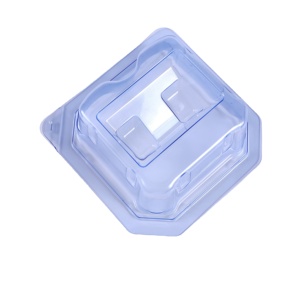
Medical-grade Tyvek® thermoformed double-blister sterile barrier packaging. Tested for long-term shelf-life stability and full compatibility with ETO/Gamma sterilization protocols.
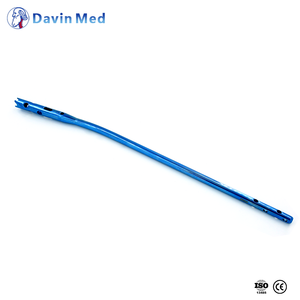
Multi-lock titanium cannulated tibial nail featuring anatomical Herzog curvature, optimized distal locking options, and universal aiming arm instrument sets for precise insertion.
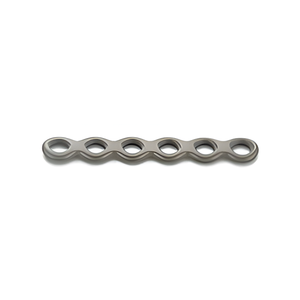
Precision-engineered 2.5mm straight condyle locking plate with dynamic combi-holes, designed for rigid internal fixation of small fragment bone fractures and osteotomies.
Navigating the stringent medical device ecosystem of Norway requires uncompromised material integrity, advanced biomechanical verification, and seamless alignment with public tender requirements.
At Orthomanufacturer Medical Co., Ltd, material selection is the cornerstone of clinical safety. Implants destined for the Scandinavian market utilize exclusively certified implant-grade alloys: Titanium Ti-6Al-4V ELI (ASTM F136 / ISO 5832-3), Commercially Pure Titanium (ASTM F67 Grade 2 & 4), 316L Implant Stainless Steel (ASTM F138), CoCrMo (ASTM F1537), and implant-grade PEEK (ASTM F2026).
Every single bar stock lot undergoes rigorous spectroscopic chemistry validation and mechanical tensile testing prior to precision turning, guaranteeing zero internal flaws or stress inclusions.
Implants and instrument matching require micrometer-level reproducibility. Utilizing multi-axis CNC Swiss sliding-headstock lathes and 5-axis machining centers (Citizen & Star), our facility manufactures complex thread profiles, variable-angle locking holes, and hollow cannulated channels in a single setup.
Surface treatments include automated ultrasonic deburring, mechanical micro-polishing, electropolishing, and type II/III anodization color-coding to facilitate intuitive intraoperative instrument matching for surgical teams.
In accordance with ISO 13485:2016 and EU MDR Unique Device Identification (UDI) regulations, every orthopedic implant manufactured in our facility undergoes fiber-laser etching. Part numbers, batch codes, component dimensions, and GS1-compliant DataMatrix barcodes are etched directly onto the device surface.
Distributors and hospital procurement officers in Norway can trace every installed implant back to its specific raw material heat number, manufacturing shift, machine calibration log, and sterilization lot.
Reference table for procurement managers, regulatory directors, and clinical buyers reviewing medical device dossiers for Norwegian hospital tenders.
| Implant Material | International Standard | Mechanical / Biomechanical Properties | Primary Clinical Application |
|---|---|---|---|
| Titanium Ti-6Al-4V ELI | ASTM F136 / ISO 5832-3 | Yield strength > 795 MPa, lower elastic modulus (110 GPa) reducing stress shielding. High fatigue endurance. | Locking plates, intramedullary nails, pedicle screws, arthroscopy suture anchors. |
| CP Titanium (Grade 2/4) | ASTM F67 / ISO 5832-2 | Superior ductility and malleability, excellent tissue biocompatibility, non-magnetic MR safety profile. | CMF micro/mini plates, 3D cranial mesh, low-load fracture reconstruction. |
| Implant Stainless Steel 316L | ASTM F138 / ISO 5832-1 | High tensile strength (> 860 MPa), cost-effective rigid internal fixation, passivated oxide layer against corrosion. | Trauma compression plates, Schanz pins, external fixation frames, temporary wires. |
| PEEK Optima® Polymer | ASTM F2026 | Radiolucent (CT/MRI artifact-free), elastic modulus (3.6 GPa) closely matching human cancellous bone. | ACDF cervical cages, PLIF/TLIF lumbar interbody cages, suture anchors. |
| Cobalt-Chromium (CoCrMo) | ASTM F1537 / ISO 5832-12 | Extreme hardness, low friction coefficient, exceptional polishability and wear resistance. | Arthroplasty femoral heads, knee femoral components, high-wear modular interfaces. |
Tailoring implant inventory, instrument sets, and supply chain logistics to Norway’s geographical, demographic, and climate-driven clinical priorities.
Norway’s world-renowned alpine sport infrastructure and winter climate generate a seasonal surge in high-energy traumatic injuries. Regional hospitals serving major winter destinations experience elevated rates of complex tibial shaft fractures, distal radius fractures, proximal humeral fractures, and acromioclavicular dislocations.
Our Cannulated Tibial Interlocking Intramedullary Nails and Anatomical Locking Plate Systems provide traumatologists with versatile locking options, minimizing intraoperative fluoroscopy exposure while facilitating early weight-bearing and aggressive rehabilitation for sports casualties.
With an increasing proportion of citizens aged 65 and older across municipal healthcare sectors in Oslo University Hospital (Ullevål), Haukeland, and St. Olavs Hospital, managing osteoporotic fragility fractures is a primary operational mandate.
Our Proximal Femoral Nail Antirotation (PFNA) System utilizes compaction helical blades rather than traditional cut-out prone lag screws, dramatically lowering secondary surgery rates in fragile femoral neck fractures. Coupled with our Balloon Kyphoplasty System, Norwegian orthopedic departments receive complete solutions for osteoporotic vertebral compression fractures.
Norway’s expanding private orthopedic clinic sector (Aleris, Volvat, and independent surgical centers) emphasizes rapid recovery, day-surgery throughput, and ultra-low infection profiles. Soft tissue repair and sports medicine procedures require high-strength, low-displacement implant interfaces.
We supply private surgical providers with Titanium and PEEK Suture Anchors, ultra-high-molecular-weight polyethylene (UHMWPE) fiber tapes, and cannulated interference screws engineered for knee cruciate ligament reconstruction and rotator cuff repair.
Delivering medical equipment to northern health districts across Troms, Finnmark, and Nordland requires ruggedized supply chain packaging and fail-safe sterile integrity. Extreme ambient temperature shifts during transit demand robust packaging validation.
Our double-barrier Tyvek® Thermoformed Blister Packaging protects implant surface passivation, maintains 100% sterile barrier integrity through air transportation, and allows long-term storage in remote hospital sterile supply departments (SSPD).
Understanding Sykehusinnkjøp HF directives, EU MDR transition timelines, and sustainability scorecards mandatory for orthopedic suppliers entering the Norwegian market.
Public hospital procurement in Norway is consolidated under Sykehusinnkjøp HF, which executes national framework contracts for the four Regional Health Authorities (Helse Sør-Øst, Helse Vest, Helse Midt-Norge, and Helse Nord).
To win public tenders, dealers and manufacturers must supply complete product matrix catalogs, backed by standardized surgical techniques, proven clinical safety data, transparent pricing, and guaranteed delivery SLAs to central hospital warehouses.
Although Norway is an EEA member rather than an EU state, the Norwegian Medical Products Agency (NoMA / LMD) strictly enforces European Medical Device Regulation (EU MDR 2017/745). Implants must carry valid CE certification issued by recognized EU Notified Bodies.
Our production facilities maintain comprehensive Technical Dossiers, Post-Market Clinical Follow-up (PMCF) plans, Periodic Safety Update Reports (PSUR), and robust risk management documentation according to ISO 14971.
Norwegian public tenders heavily weight Environmental, Social, and Governance (ESG) criteria. Procurement evaluations assess supply chain carbon footprints, recyclable packaging materials, ethical labor auditing, and reduction of hazardous chemicals in production.
Orthomanufacturer Medical Co., Ltd integrates eco-friendly thermoforming polymers, energy-efficient Swiss CNC machining operations, and ISO 14001 environmental management standards to align directly with Nordic green procurement targets.
Technical, regulatory, and logistics answers for medical device distributors, procurement officers, and surgical leaders serving the Norwegian market.
Expand your product portfolio, qualify for Sykehusinnkjøp tenders, or request precision OEM manufacturing with complete technical documentation and competitive factory-direct terms.