Precision-Engineered Orthopedic Implants & Systems
High-precision orthopedic implants manufactured using biomedical-grade titanium and stainless steel, designed for complex surgical reconstructions in human and veterinary orthopedics.
Navigating the Russia-Australia Orthopedic Supply Chain Corridor
A comprehensive strategic guide for clinical procurement directors, medical device distributors, and OEM partners seeking resilient, high-precision orthopedic implant solutions.
The Strategic Trade Synergy
The global orthopedic implant market demands unprecedented supply continuity, material integrity, and regulatory compliance. As healthcare providers across Australia face supply bottlenecks and rising costs from traditional Western suppliers, the Eurasian manufacturing corridor—anchored by Russian engineering excellence and high-capacity production hubs—has emerged as a vital source for implantable medical devices.
By leveraging advanced multi-axis CNC micro-machining, ISO 13485 certified quality management systems, and stringent metallurgical validation, our exporting framework ensures Australian healthcare institutions receive hospital-grade titanium and stainless steel orthopedic implants with complete regulatory documentation, material lot traceability, and competitive lead times.
TGA & International Regulatory Alignment
Deploying medical devices into the Australian market requires strict adherence to the Therapeutic Goods Administration (TGA) regulatory framework. Implants designed for Australian surgical rooms must comply with the Essential Principles set out in the Therapeutic Goods (Medical Devices) Regulations 2002.
This rigorous dual-compliance approach allows Australian hospital buyers and medical equipment distributors to streamline ARTG (Australian Register of Therapeutic Goods) inclusion while benefiting from robust manufacturing capabilities nurtured across Eurasian industrial sectors.
Biomedical Engineering & Implantable Material Science
An in-depth technical examination of alloy selection, surface treatments, fatigue resistance, and micro-geometry engineering in modern traumatology and spinal reconstruction.
Ti-6Al-4V ELI (ASTM F136)
Extra Low Interstitial (ELI) titanium alloy is the gold standard for load-bearing orthopedic implants. By limiting interstitial elements such as iron and oxygen, Ti-6Al-4V ELI achieves superior fracture toughness and fatigue resistance critical for spinal pedicle screws and femoral intramedullary nails.
- Modulus of Elasticity: ~110 GPa (closer to human cortical bone)
- Ultimate Tensile Strength: ≥ 860 MPa
- High osseointegration capability via electrochemical anodization
Stainless Steel 316L (ASTM F138)
Vacuum Melted (VM) 316L medical stainless steel offers unmatched ductility and shear strength for acute fracture trauma plates and orthognathic L-plates. Cold-worked state provides exceptional stiffness for immediate load stabilization during early bone healing phases.
- High resistance to pitting and crevice corrosion
- Optimal intraoperative contouring and plate bending capability
- Cost-effective for high-turnover emergency trauma centers
PEEK & Surface Treatments
Polyetheretherketone (PEEK Optima) implants provide radiolucency for unimpeded postoperative CT/MRI imaging. Combined with Type II anodic oxidation treatment on titanium plates, surface friction is dramatically reduced while galling resistance during locking screw insertion is enhanced.
- Type II Anodization: Eliminates metallic particulate generation
- Type III Anodization: Color-coded sizing for surgical efficiency
- PEEK Radiolucency: Clear assessment of fusion mass growth
| Material Property | Ti-6Al-4V ELI (ASTM F136) | 316L Stainless Steel (ASTM F138) | PEEK Polymer (ASTM F2026) |
|---|---|---|---|
| Elastic Modulus (GPa) | 110 GPa | 193 GPa | 3.6 GPa |
| Yield Strength (MPa) | ≥ 795 MPa | ≥ 690 MPa | ≥ 110 MPa |
| Fatigue Resistance (ISO 14801) | 5 million cycles @ 500 N | 5 million cycles @ 450 N | 5 million cycles @ 250 N |
| Biocompatibility (ISO 10993) | Cytotoxicity, Sensitization Passed | Cytotoxicity, Systemic Toxicity Passed | Cytotoxicity, Hemocompatibility Passed |
| Imaging Compatibility | Minimal MRI Artifact | Moderate CT/MRI Artifact | 100% Radiolucent (No Artifact) |
Localized Application Scenarios in Australian & Eurasian Healthcare
From high-turnover Australian emergency departments to specialized Eurasian orthopedic trauma centers, our implant portfolios adapt to diverse surgical environments and surgeon techniques.
1. Australian Regional & Metropolitan Trauma Centers
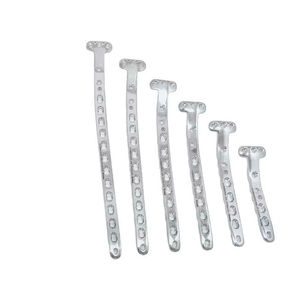
Australian orthopedic surgeons in trauma units demand low-profile, anatomical locking plates that require minimal intraoperative intra-articular bending. Distal radial locking plates, proximal humeral systems, and proximal femoral nails (PFN 8.0mm) must perform flawlessly during rapid emergency procedures.
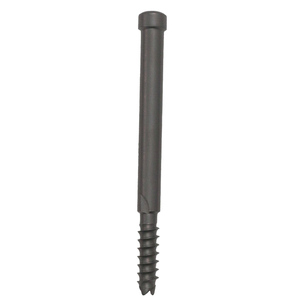
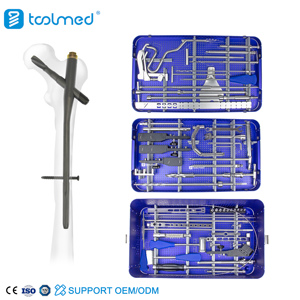
Our intramedullary nail systems feature cannulated guide rods, self-tapping locking bolts, and color-coded instrumentation sets that integrate seamlessly into standard operating room (OR) workflows across Sydney, Melbourne, Brisbane, and Perth hospitals.
2. Complex Spine Fusion & Deformity Correction
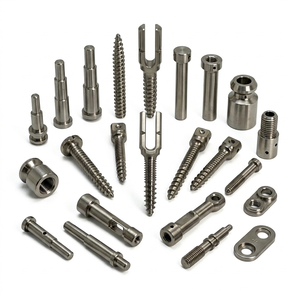
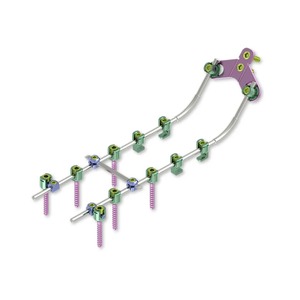
In major surgical institutes across Russia and Eurasia, degenerative spine disorders and traumatic spinal fractures require high-torque polyaxial pedicle screw kits. These systems feature friction-head tulip designs that maintain rod placement angles prior to final set screw locking.
Exported spinal lines include low-profile cervical plates, lumbar PEEK interbody cages, and 5.5mm/6.0mm titanium rods tested against severe torsional and bending stress under ISO 12189 spine construct testing standards.
3. Maxillofacial & CMF Surgery
Cranio-maxillofacial (CMF) procedures require micro and mini titanium plates (1.5mm / 2.0mm) for precise rigid fixation following trauma or orthognathic osteotomies. Ductile pure titanium (ASTM F67) enables precise manual contouring to complex facial bone contours while preserving vascularity.
4. High-Performance Veterinary Orthopedics
Australia boasts one of the world's highest pet ownership rates, creating immense demand for advanced veterinary trauma hardware. Medial Proximal Tibia Locking Plates (3.5mm system) and TPLO (Tibial Plateau Leveling Osteotomy) plates provide canine stifle stabilization with rapid bone union.
5. Dental GBR & Bone Tack Systems
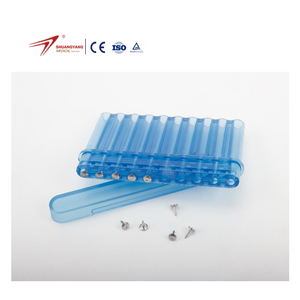
Guided Bone Regeneration (GBR) membrane tack kits utilize self-drilling titanium micro-screws to secure collagen membranes during alveolar ridge augmentation, guaranteeing stability for subsequent dental implant osseointegration.
Eurasian Manufacturing & Australian Procurement Dynamics
Analyzing regulatory shifts, supply chain diversification trends, and economic drivers shaping cross-border orthopedic trade.
Regulatory Harmonization & Quality Systems
As the Australian medical device market modernizes its TGA ARTG framework to align with global MDR standards, healthcare procurement managers are moving away from single-source reliance on expensive European or North American OEMs. Manufacturers operating within Russian and Eurasian industrial centers have adapted rapidly by adopting ISO 13485:2016 audited quality systems and implementing UDI (Unique Device Identification) laser etching.
This alignment ensures that technical dossiers (containing design control documentation, risk management per ISO 14971, and clinical evaluation reports) can be directly submitted for TGA Conformity Assessment or ARTG inclusion by Australian sponsors.
Supply Chain Resilience & Cost Efficiency
Global medical supply chains have faced unprecedented inflation and freight volatility. Eurasian export hubs offer significant cost efficiencies due to integrated titanium raw material supply chains (leveraging local high-purity titanium sponge production) and streamlined air/sea shipping routes directly into Australian ports (Sydney, Melbourne, Fremantle).
By establishing dual-hub manufacturing and distribution partnerships, Australian distributors secure 30% to 45% cost savings on premium implants without compromising metallurgical purity, tolerances, or clinical safety margins.
Why Global Distributors Choose Our Manufacturing Network
Uncompromising precision machining, continuous quality validation, and end-to-end OEM/ODM customization capabilities.
5-Axis CNC Precision Machining
Our state-of-the-art production facilities utilize high-speed Swiss-type CNC lathes and 5-axis machining centers (DMG Mori / Citizen). This guarantees thread pitch consistency, sub-micron surface finishes, and zero burr formation on critical locking mechanism interfaces.
Class 10,000 Cleanroom Packaging
Implants are cleaned using multi-stage ultrasonic washing systems and packed within ISO Class 7 (Class 10,000) cleanrooms. Dual-peel Tyvek pouches ensure sterile barrier integrity during international transit, ready for gamma radiation or autoclave sterilization.
Full OEM / ODM & Private Labeling
We support international distributors with custom laser marking (UDI barcodes, lot numbers, brand logos), specialized instrument kit design, tailored anatomical plate geometry development, and localized multi-lingual packaging configuration.
Frequently Asked Questions by Australian & Eurasian Buyers
Addressing key technical, regulatory, and logistics queries for medical device importers, hospital buyers, and veterinary distributors.
Partner with a Certified Global Orthopedic Exporter
Equip your hospitals, surgical centers, and distribution networks with medical-grade titanium implants backed by ISO 13485 quality control, full lot traceability, and competitive export terms.
Contact Us