High-Performance Orthopedic Implants & Surgical Systems
Precision-engineered trauma fixation devices, anatomical locking plates, spinal constructs, and matched instrument sets manufactured from surgical-grade titanium alloys and stainless steel.
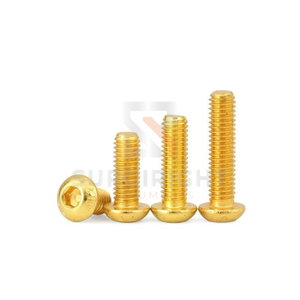
Wholesale Bone Screw Export Quality Orthopedic Implant Manufacturer And Supplier For Trauma Surgery by SurgiRight
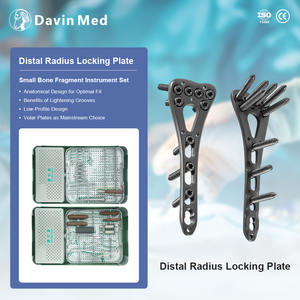
Titanium Volar Distal Radius Locking Plate Multi-Directional Screw Fixation Orthopedic Implant with Multi-Axial Locking System
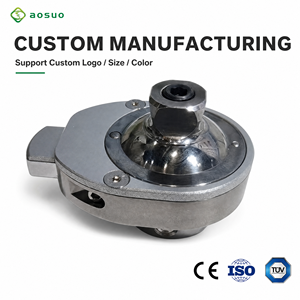
Ossur Class II Steel Cross-legged Orthotics Device with Flexible Design
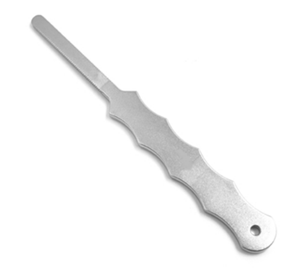
Pet-specific Stainless Steel Multi-faced Flat Bone File for Orthopedic Surgery
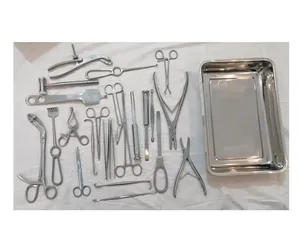
High Quality Orthopedic Surgical Instruments Set Dental Implant Kit Manual 13pcs/18pcs/26pcs CE Certified Durable
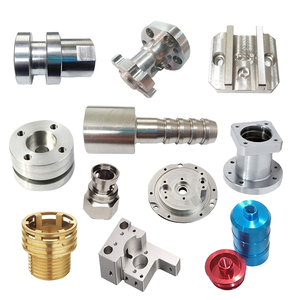
ISO9001 Certified Precision CNC Machining Manufacturer for Complex Custom Aluminum Stainless Steel and Titanium Parts
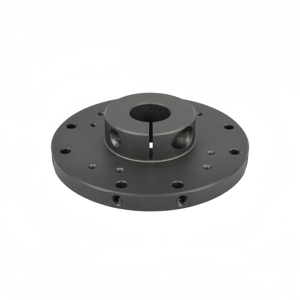
OEM Custom Orthopedic Implant Machined Parts Titanium Alloy
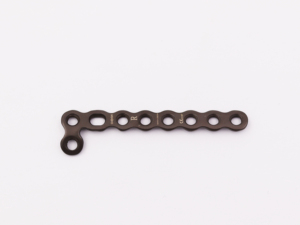
Hot Sale CE Certified Titanium/Stainless Steel Orthopedic Implants Medical Surgical 2.0 L-type Locking Implants for Bone
Strategic Sourcing Architecture: Connecting Southeast Asian Manufacturing Power with Romanian Medical Networks
The international landscape for medical device procurement is undergoing a major structural evolution. Hospital networks, regional medical distributors, and private health institutions across Eastern Europe—specifically within the rapidly expanding Romanian market—are increasingly seeking direct manufacturing partnerships with leading OEM/ODM suppliers headquartered in Southeast Asia and advanced Asian production hubs. As an established orthopedic implants supplier for Southeast Asia manufacturer & suppliers for the Romania market, Orthomanufacturer Medical Co., Ltd serves as a critical engineering bridge. We synthesize cost-effective volume manufacturing with rigorous European quality assurance standards to deliver complete, tender-compliant clinical solutions.
Modern surgical intervention demands absolute biomechanical consistency. Whether supplying high-volume trauma locking plates to municipal trauma centers in Bucharest, Cluj-Napoca, or Timișoara, or supplying specialized intramedullary nail systems to expanding healthcare facilities in Vietnam, Thailand, Indonesia, and the Philippines, medical buyers encounter identical baseline priorities: uncompromised material purity, flawless dimensional tolerances, comprehensive regulatory technical documentation (TCF), and complete supply chain transparency.
Key Sourcing Advantage: By eliminating intermediary trading agents and establishing direct factory-to-distributor workflows, healthcare buyers in Romania and Southeast Asia achieve up to 35% reduction in total procurement spend while retaining direct engineering support, custom OEM branding, and lot-by-lot metallurgical verification.
Localized Clinical Application Scenarios: ASEAN vs. Romanian Healthcare Ecosystems
Surgical demands vary significantly based on regional demographics, prevailing injury etiologies, and national health infrastructure frameworks. Optimizing orthopedic implant manufacturing requires deep insight into user intent and clinical application scenarios unique to each geographic zone.
Southeast Asian Clinical Scenarios
In Southeast Asia (Vietnam, Indonesia, Thailand, Philippines, Malaysia), healthcare demand is heavily driven by high road-traffic accident (RTA) rates, agricultural trauma, and expanding public health coverage under the ASEAN Medical Device Directive (AMDD).
- High-Load Trauma Fixation: High demand for 3.5mm/5.0mm titanium locking compression plates (LCP) and cannulated intramedullary nails engineered for complex femoral and tibial shaft fractures.
- Corrosion Resistance & Tropical Durability: Advanced passivation treatments ensuring long-term biostability in high-humidity regional storage environments.
- Cost-Optimized System Packaging: Complete surgical tray setups (implants + reusable stainless steel instrumentation) designed to maximize theater efficiency in regional public hospitals.
Romanian & EU Market Scenarios
In Romania, procurement is managed through public tenders via the National Health Insurance House (CNAS) alongside rapidly growing private orthopedic clinics in major metropolitan hubs.
- Geriatric Degenerative Care: Extensive requirement for pedicle screw spinal systems, PEEK interbody fusion cages, and total joint prostheses (hip/knee) tailored for an aging demographic.
- MDR (EU) 2017/745 Technical Compliance: Full alignment with European Medical Device Regulation standards, requiring rigorous clinical evaluation reports, post-market surveillance (PMS) structures, and complete technical files.
- Low-Profile Anatomical Precision: Pre-contoured volar distal radius plates and CMF mini-plates optimized for rapid intraoperative placement without extensive manual bending.
Localized Industry Trends: Sourcing Shifts in SE Asia & Romania
Analyzing search intent and global purchasing behaviors reveals distinct market trends across both target regions:
1. The Southeast Asian Market Dynamics
Southeast Asia is transitioning from simple product importation to strategic OEM contract manufacturing. Local distributors in Jakarta, Ho Chi Minh City, and Bangkok are building proprietary private-label brands. To support this growth, suppliers must provide localized laser-marking (UDI compliant), specialized packaging, and adaptable Minimum Order Quantities (MOQs) for specialized surgical tools and micro-implant kits.
2. The Romanian Market Dynamics & EU Tenders
Romania's healthcare sector is undergoing major modernization supported by European structural funds. Public hospital tenders managed through the SEAP (Electronic System for Public Procurement) demand exceptionally detailed technical dossiers. Distributing companies in Romania look for direct Asian manufacturing partners who can supply ISO 13485 certified implants, complete material batch test certificates (CoAs), and native English/Romanian technical support to secure winning tender positions.
Bio-Metallurgical Standards & Material Engineering Reference
Implants must withstand complex mechanical forces including shear, torsion, and cyclical fatigue while remaining bio-inert. Orthomanufacturer Medical Co., Ltd enforces strict compliance with international medical-grade material standards:
| Implant Material Grade | Standard Specification | Mechanical Attributes | Primary Clinical Indications |
|---|---|---|---|
| Ti-6Al-4V ELI Alloy | ASTM F136 / ISO 5832-3 | Ultra-high fatigue strength, low modulus of elasticity, superior osseointegration. | Spinal pedicle screws, trauma locking plates, intramedullary nails, joint stems. |
| Commercially Pure Titanium (CP-Ti) | ASTM F67 / ISO 5832-2 | High ductility, excellent moldability for intraoperative anatomical adaptation. | CMF maxillofacial mini plates, cranial reconstructive mesh, small bone fixation. |
| Stainless Steel 316L | ASTM F138 / ISO 5832-1 | High tensile stiffness, economical cost-to-performance ratio, electropolished surface. | Standard trauma plates, Schanz pins, external fixation frames, bone screws. |
| PEEK Optima (Polyetheretherketone) | ASTM F2026 | Radiolucent, modulus closely matching human cancellous bone, zero metallic artifact. | PLIF/TLIF cervical and lumbar interbody cages, spinal fusion implants. |
| CoCrMo (Cobalt-Chromium Alloy) | ASTM F1537 / ISO 5832-12 | Extreme polishability, high wear resistance for articulating friction pairs. | Total hip femoral heads, total knee condylar components, joint prostheses. |
Manufacturing Capabilities & OEM Enterprise Strengths
As an established OEM/ODM partner for international distributors, our manufacturing infrastructure is built around high-precision automated production and strict quality control protocols:
5-Axis Swiss CNC Machining
Utilizing high-end Citizen and Star CNC sliding head lathes capable of multi-axis machining with tolerances down to ±0.002mm for complex variable-angle locking threads.
Type II Electrochemical Anodization
Biocompatible surface color-coding for instant intraoperative size identification (e.g., gold, blue, green, magenta) enhancing surgical efficiency and safety.
100% Unique Device Identification (UDI)
High-resolution fiber laser marking on every screw, plate, and nail, guaranteeing full lot traceability from raw bar stock to finished surgical installation.
Cleanroom ISO Class 7 Packaging
Environmentally controlled bio-burden cleanrooms for primary washing, double-blister sealing, and gamma/EtO sterilization-ready packaging.
Matched Instrument System Kits
Every implant line is paired with custom-designed, ergonomic stainless steel surgical instrument trays, preventing driver-strip and thread mismatch errors.
Dossier & Regulatory Support
Comprehensive technical dossier preparation (Module 3/5 formats), material test reports, and sterilization validation documentation for rapid local registration.
Procurement FAQ: Sourcing Orthopedic Implants for SE Asia & Romania
Below are answers to critical technical and logistical questions frequently raised by hospital purchasing committees, medical distributors, and regulatory personnel:
How do you support regulatory registration in Romania under EU MDR rules?
We provide full technical documentation files (TCF), ISO 13485 certification, raw material certificates (ASTM F136/F138), ISO 10993 biocompatibility test reports, and sterilization validation data required by Romanian authorities and European notified bodies.
What is your OEM private-label capacity for Southeast Asian distributors?
We provide complete OEM/ODM private labeling services, including custom laser marking of your brand logo and part numbers, localized pouch and box labeling in native languages, and custom tray layout engineering for local market preferences.
What material standards are used for trauma bone screws and locking plates?
Our titanium trauma products exclusively use implant-grade Ti-6Al-4V ELI conforming to ASTM F136. Stainless steel lines use high-grade 316L conforming to ASTM F138, backed by mill test certificates for every batch.
Can we order prototype evaluation samples before signing tender commitments?
Yes. Qualified medical distributors and healthcare groups in Romania and Southeast Asia can request sample kits to verify machining accuracy, surface finish, and instrument fit prior to executing formal contract orders.
What are the standard lead times for shipments to Bucharest or Jakarta?
Standard catalog products ship within 15–20 business days. Custom OEM/ODM production runs typically require 30–45 days depending on tooling requirements. Air freight courier delivery to major hubs takes 4–7 business days.
How do you ensure surgical instrument compatibility with implants?
We manufacture both implants and matched surgical instruments in-house. Screwdrivers, taps, reamers, and drill bits are designed and calibrated simultaneously to guarantee zero play and exact driver-recess fit.
Partner with a Direct Medical Implant Manufacturer
Whether you are expanding your trauma portfolio in Southeast Asia or bidding for public hospital tenders in Romania, our engineering and export team will support your regulatory, technical, and commercial requirements.