Trauma System
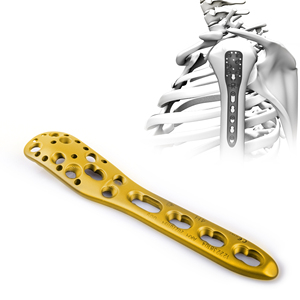
Engineered for trauma, spine, sports medicine, dental, and veterinary procedures. Tested to meet rigorous international mechanical and metallurgical standards.
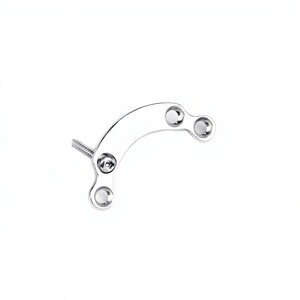
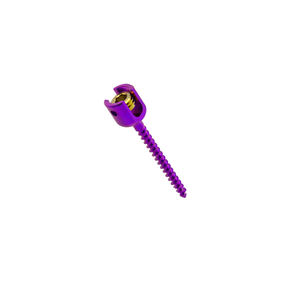
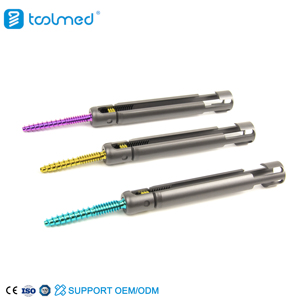
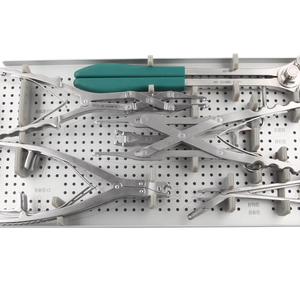
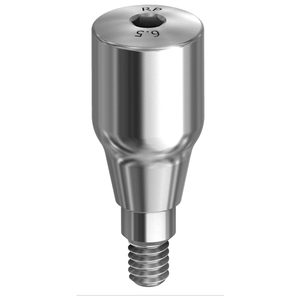
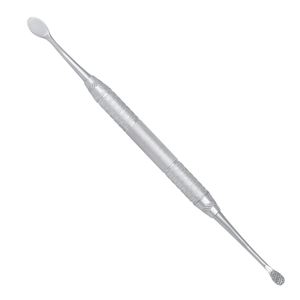
An in-depth analysis of how Canadian medical device distributors, group purchasing organizations (GPOs), and hospital networks leverage high-capacity Indonesian OEM factories to build resilient, cost-optimized, and Health Canada compliant orthopedic supply chains.
Indonesian production facilities have evolved into advanced centers of biomedical engineering, utilizing 5-axis CNC Swiss automatic turning machines and raw titanium bars sourced exclusively under ASTM F136 (Ti-6Al-4V ELI) and ASTM F67 specifications. This guarantees bio-inert performance and ultra-high fatigue limits.
Navigating the Canadian Medical Device Regulations (CMDR) requires flawless technical documentation. Factories export complete Device Master Files (DMF), validation protocol reports, sterilization verification data, and ISO 13485:2016 quality certificates designed specifically to streamline Medical Device License (MDL) filings.
By maintaining direct OEM relationships with Indonesian manufacturing hubs, Canadian importers bypass tier-1 brand markups while retaining full control over custom private-label laser marking, standardized instrument trays, and rapid air-freight logistics directly into Vancouver, Toronto, and Montreal ports.
To pass rigorous Canadian hospital quality audits, every batch of orthopedic implants undergoes raw material validation, tensile strength verification, and dimensional tolerances under 0.005mm.
| Material Standard | Composition / Grade | Mechanical Tensile Strength | Primary Clinical Applications | Canadian Regulatory Compliance |
|---|---|---|---|---|
| ASTM F136 / ISO 5832-3 | Ti-6Al-4V ELI (Extra Low Interstitial) | ≥ 860 MPa (High Fatigue Limit) | Pedicle Screws, Proximal Humeral Locking Plates, Intramedullary Nails | Health Canada Class III Device Approved Material |
| ASTM F67 / ISO 5832-2 | Commercially Pure Titanium (Grades 1–4) | 240 – 550 MPa (High Ductility) | CMF Micro/Mini Fixation Plates, Titanium Mesh, Dental Abutments | Health Canada Class II & III Fixation Standards |
| ASTM F138 / ISO 5832-1 | 316L Stainless Steel (High Nickel-Chromium) | ≥ 890 MPa (Cold Worked) | Trauma Pins, Veterinary Acetabular Plates, Surgical Instruments | Class I & II Reusable / Implant Grade Passivated |
| ASTM F2026 | PEEK (Polyetheretherketone) Polymer | 90 – 100 MPa (Bone Modulus Match) | Cervical Interbody Fusion Cages, Lumbar PLIF/TLIF Cages | Radiolucent ISO 10993 Biocompatibility Certified |
| ASTM F1537 / ISO 5832-12 | Cobalt-Chromium-Molybdenum (CoCrMo) | ≥ 960 MPa (Ultra-Wear Resistant) | Total Joint Replacements, Hip Stems, Knee Femoral Heads | Articulating Surface Compliance Certified |
Understanding the distinct operational, surgical, and environmental demands across Canadian provinces—from harsh winter trauma loads to expanding veterinary care networks.
Canadian emergency rooms experience severe seasonal spikes in slip-and-fall trauma, particularly distal radius fractures, proximal humerus fractures, and ankle dislocations during harsh winter months. Anatomic locking plates (such as the Philos Humeral Locking System) manufactured with precise angular stability allow surgeons in Ontario and Quebec trauma centers to achieve rigid internal fixation in osteoporotic or shattered bone structures.
With Canada's growing senior population, degenerative disc disease and thoracolumbar instability represent major surgical loads. Systems like the Everest 5.5 MIS Polyaxial Pedicle Screw System provide Canadian spine surgeons with low-profile, minimally invasive access. Polyaxial articulation up to 50 degrees simplifies rod insertion in tight anatomical corridors while preserving paraspinal tissue integrity.
Beyond human clinical care, provinces like Alberta, Saskatchewan, and Manitoba possess thriving veterinary surgery networks. Export-grade 316L Stainless Steel Acetabular Plates and specialized bone screws deliver high mechanical stiffness needed for canine pelvic osteotomies and equine bone reconstructive procedures, offering animal hospitals exceptional longevity and bio-compatibility.
Delivering end-to-end quality assurance, raw material validation, zero-defect machining, and comprehensive private-label OEM capabilities.
All implants are processed in Class 10,000 (ISO Class 7) cleanroom facilities. Implants undergo ultrasonic multi-stage cleaning, validated double-blister sterile barrier pouch packaging, and gamma or ETO sterilization compatibility ready for hospital shelf storage.
Each screw, plate, and instrument features crisp, permanent fiber-laser etching containing unique lot numbers, part reference codes, and Unique Device Identification (UDI) barcodes compliant with global GS1 standards for effortless inventory control.
We offer full engineering customization from CAD drawings to finished product. Specialized surgical instrument kits are manufactured with ergonomic anodized handles, exact driver tolerances, and custom graphic sterilization trays tailored to your private brand.
Key information for medical device importers, regulatory affairs managers, and hospital procurement departments in Canada.
Contact our biomedical sales engineers today to receive comprehensive product catalogs, CAD specifications, material certificates, and OEM price quotes tailored to your Canadian market needs.